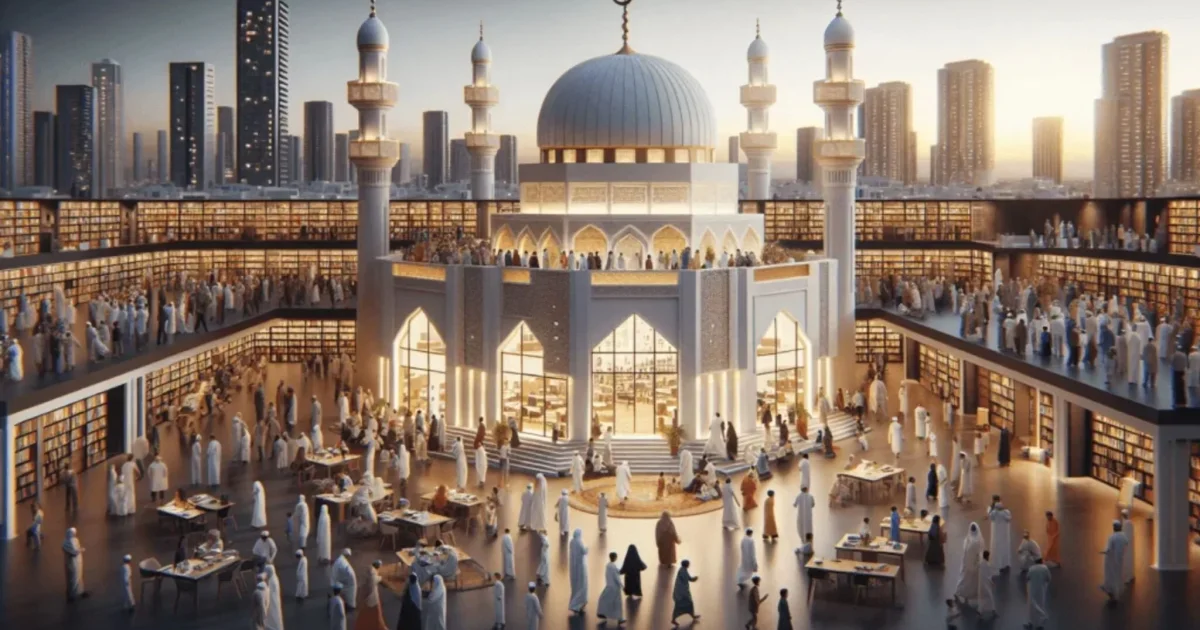
Building Mosques: A Powerful Role in Modern Society
Building Mosques: A Powerful Role in Modern Society
Building mosques is a beautiful act of faith that shapes communities. In modern society, mosques are more than places of prayer. They are vibrant centers of learning, unity, and support.
Table of Contents
- Introduction
- The Historical Role of Mosques
- The Role of Mosques in Modern Society
- Mosques as Centers of Learning
- Fostering Unity and Community Support
- Practical Tips for Building Mosques That Serve Communities
- Quran and Hadith on Building Mosques
- Frequently Asked Questions
- Conclusion
Introduction
Building mosques is a rewarding endeavor that brings immense blessings. In today’s world, mosques serve as spiritual homes and community hubs. They offer guidance, education, and a sense of belonging. This article explores how building mosques can transform modern society for the better.
The Historical Role of Mosques
From the time of Prophet Muhammad ﷺ, mosques were centers of life. The Prophet’s mosque in Medina was a place for prayer, teaching, and community decisions. It hosted gatherings for worship, learning, and even social welfare. This rich tradition shows that mosques are meant to be dynamic spaces.
Early mosques provided education for all ages. They also served as courts, hospitals, and shelters. This legacy reminds us that building mosques today should follow the same holistic vision.
The Role of Mosques in Modern Society
In modern times, the role of mosques has evolved but remains essential. Mosques are now expected to address contemporary challenges. They offer spiritual solace, but also practical support. A well-designed mosque can become a beacon of hope.
Many communities rely on their local mosque for guidance on daily life. From marriage counseling to youth programs, mosques fill critical gaps. By building mosques with modern needs in mind, we create spaces that truly serve.
Mosques as Centers of Learning
Education is a core function of any mosque. Quran classes, Islamic studies, and Arabic lessons are common. But modern mosques also offer workshops on leadership, finance, and health. This makes them relevant to all generations.
For example, a mosque can host weekly lectures on parenting or career development. Such programs attract families and young professionals. When building mosques, including classrooms and libraries is vital. This transforms the mosque into a lifelong learning center.
Fostering Unity and Community Support
Mosques are unique in their ability to unite diverse people. They bring together Muslims from different backgrounds. Friday prayers, iftars, and Eid celebrations strengthen bonds. This unity is a powerful force for good.
Community support is another key role. Many mosques run food banks, free clinics, and financial aid programs. They help the needy regardless of faith. This reflects the Islamic principle of caring for others. By building mosques that prioritize outreach, we build stronger societies.
Practical Tips for Building Mosques That Serve Communities
To maximize impact, consider these ideas when planning a mosque:
- Involve the community: Ask locals what they need most. This ensures the mosque meets real needs.
- Design multipurpose spaces: Create rooms for classes, meetings, and social events. Flexibility is key.
- Include a library: A quiet space with Islamic books and resources encourages learning.
- Offer youth programs: Sports, camps, and mentoring keep young Muslims engaged.
- Partner with local organizations: Collaborate with charities and schools to expand services.
- Use technology: Live streams, apps, and social media help reach more people.
For more inspiration, visit Masjid4All’s mosque resources. You can also explore business ideas that support mosque projects.
Quran and Hadith on Building Mosques
The Quran and Hadith emphasize the virtue of building mosques. Allah says:
“The mosques of Allah are only to be maintained by those who believe in Allah and the Last Day…” (Quran 9:18)
This verse highlights that believers are responsible for mosques. The Prophet Muhammad ﷺ also said:
“Whoever builds a mosque for Allah, Allah will build for him a house in Paradise.” (Sahih al-Bukhari 450)
These teachings motivate Muslims to invest in building mosques. For more authentic guidance, refer to IslamQA.
Frequently Asked Questions
What is the reward for building a mosque?
The reward is immense. The Prophet ﷺ promised a house in Paradise for anyone who builds a mosque for Allah. This includes contributing financially or physically.
How can a mosque support the local community?
A mosque can offer food drives, free clinics, educational classes, and youth activities. It can also host interfaith events to promote understanding.
Is it necessary to have a large budget to build a mosque?
No. Even a small room used for prayer counts as a mosque. The key is sincere intention. Communities can start small and expand over time.
Can women participate in building mosques?
Absolutely. Women can donate, volunteer, and lead community programs. Their involvement is vital for a balanced and inclusive mosque.
Conclusion
Building mosques is a timeless act of worship with profound modern impact. Mosques today can be beacons of learning, unity, and support. By focusing on community needs, we ensure that building mosques remains a source of blessings for generations. Start your journey today and contribute to a mosque that changes lives.
Still have questions?
Sofia can answer follow-up questions on this topic, point you to a mosque near you, or help with anything else on Masjid4All.
Ask Sofia about this