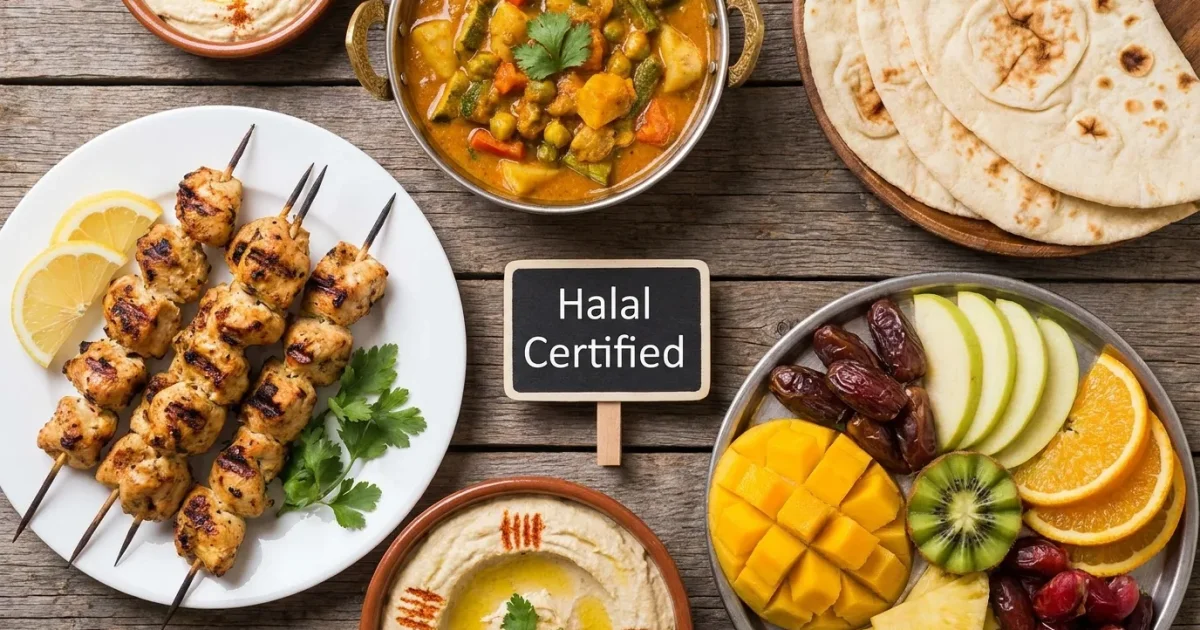
Complete Guide to Halal Foods: Standards and Tayyib
Complete Guide to Halal Foods: Understanding Standards and Tayyib
Halal foods are an essential part of a Muslim’s daily life, guided by clear Islamic principles. Understanding halal food standards ensures that what we eat is not only permissible but also pure and wholesome. This complete guide explores the meaning of halal and tayyib, providing practical insights for every Muslim.
Table of Contents
- What Are Halal Foods?
- The Concept of Tayyib
- Quranic Guidance on Halal Foods
- Halal Food Standards
- Practical Tips for Choosing Halal Foods
- Common Misconceptions
- Frequently Asked Questions
- Conclusion
What Are Halal Foods?
Halal foods refer to any food or drink that is permissible according to Islamic law (Shariah). The term “halal” means lawful or permitted. For Muslims, consuming halal foods is a religious obligation that reflects obedience to Allah (سبحانه وتعالى).
The opposite of halal is haram, which means forbidden. Foods that are clearly haram include pork, alcohol, and meat not slaughtered in the name of Allah. However, halal goes beyond just avoiding these items—it also involves purity, cleanliness, and ethical treatment of animals.
To learn more about Islamic practices, visit our masjid page for community resources.
The Concept of Tayyib
In addition to halal, the Quran emphasizes the concept of “tayyib,” which means good, pure, and wholesome. Allah says in the Quran: “O mankind, eat from whatever is on earth [that is] lawful and good (halalan tayyiban)” (Quran 2:168).
Tayyib ensures that food is not only permissible but also of high quality, nutritious, and ethically sourced. This includes considerations like hygiene, fair trade, and environmental sustainability. Together, halal and tayyib form a complete dietary framework for Muslims.
For businesses interested in halal certification, check our business guide for helpful tips.
Quranic Guidance on Halal Foods
The Quran provides clear guidance on what is permissible. Allah says: “Prohibited to you are dead animals, blood, the flesh of swine, and that which has been dedicated to other than Allah” (Quran 5:3). This verse outlines the main categories of haram foods.
Additionally, the Quran instructs Muslims to eat good things: “O you who have believed, eat from the good things which We have provided for you and be grateful to Allah” (Quran 2:172). This emphasizes gratitude and mindfulness in our food choices.
The Prophet Muhammad ﷺ also emphasized the importance of halal earnings and food. He said: “Indeed, Allah is pure and He accepts only that which is pure” (Sahih Muslim). This hadith highlights the spiritual dimension of consuming halal foods.
Halal Food Standards
Halal food standards are established by Islamic scholars and certification bodies. These standards ensure that food products meet Islamic requirements. Key aspects include:
- Slaughter method (Dhabihah): Animals must be slaughtered by a sane Muslim who invokes the name of Allah. The animal must be treated humanely, and the throat is cut swiftly with a sharp knife to minimize pain.
- Prohibition of blood: Blood is not permissible, so animals are drained completely after slaughter.
- No cross-contamination: Halal foods must not come into contact with haram substances during processing, storage, or transportation.
- Alcohol and intoxicants: Any food or drink containing alcohol or intoxicants is haram.
- Additives and ingredients: All ingredients, including emulsifiers and flavorings, must be halal-certified.
For more details, refer to IslamQA for scholarly opinions on halal food standards.
Halal Certification
Halal certification is a process where a trusted organization verifies that a product meets halal standards. Look for recognized halal logos on packaged foods. This certification provides assurance to Muslims that the product is permissible.
Seafood and Plants
Most seafood is considered halal, as per the hadith: “Its water is pure and its dead are permissible” (Abu Dawud). Similarly, all plant-based foods are halal unless they are intoxicating or harmful.
Practical Tips for Choosing Halal Foods
Here are some simple tips to help you choose halal foods with confidence:
- Check for halal certification logos on packaged products.
- Read ingredient lists carefully to avoid hidden haram ingredients like gelatin, rennet, or alcohol.
- When eating out, ask about the source of meat and cooking methods.
- Buy meat from trusted halal butchers or stores.
- Learn about common non-halal additives, such as E120 (carmine) and E441 (gelatin).
- Prioritize whole foods like fruits, vegetables, grains, and legumes, which are naturally halal.
Remember that intention (niyyah) matters. Consuming halal foods with the intention of obeying Allah brings barakah (blessing) into your life.
Common Misconceptions
There are many misconceptions about halal foods. Let’s clarify a few:
- Misconception 1: Halal food is only about meat. Truth: Halal applies to all foods and drinks, including snacks, beverages, and additives.
- Misconception 2: Halal slaughter is cruel. Truth: Islamic slaughter emphasizes kindness to animals. The method is designed to minimize pain and ensure quick death.
- Misconception 3: Halal food is only for Muslims. Truth: Many people choose halal foods for their quality, hygiene, and ethical standards.
- Misconception 4: All vegetarian food is halal. Truth: Vegetarian food can still contain alcohol or haram additives, so always verify.
For authentic hadith on animal welfare, visit Sunnah.com.
Frequently Asked Questions
What are halal foods?
Halal foods are any foods or drinks that are permissible according to Islamic law. This includes meat from animals slaughtered in the name of Allah, seafood, fruits, vegetables, and grains, as long as they are free from haram substances.
Is all seafood halal?
Yes, according to most scholars, all seafood is halal. The Prophet Muhammad ﷺ said: “Its water is pure and its dead are permissible” (Abu Dawud).
Can Muslims eat food with alcohol as an ingredient?
No, any food or drink containing alcohol is haram, even if the alcohol is cooked off. The prohibition is based on the intoxicating substance itself.
What does tayyib mean in relation to halal foods?
Tayyib means good, pure, and wholesome. It goes beyond halal to include quality, hygiene, and ethical sourcing. Together, halal and tayyib ensure that food is both permissible and beneficial.
Conclusion
Understanding halal foods is a vital part of living an Islamic lifestyle. By following halal food standards and embracing the concept of tayyib, Muslims can ensure that their diet is pleasing to Allah and beneficial for their health. Remember to always verify the source of your food, seek knowledge, and make sincere intentions. May Allah guide us all to consume what is halal and tayyib. Ameen.
Still have questions?
Sofia can answer follow-up questions on this topic, point you to a mosque near you, or help with anything else on Masjid4All.
Ask Sofia about this