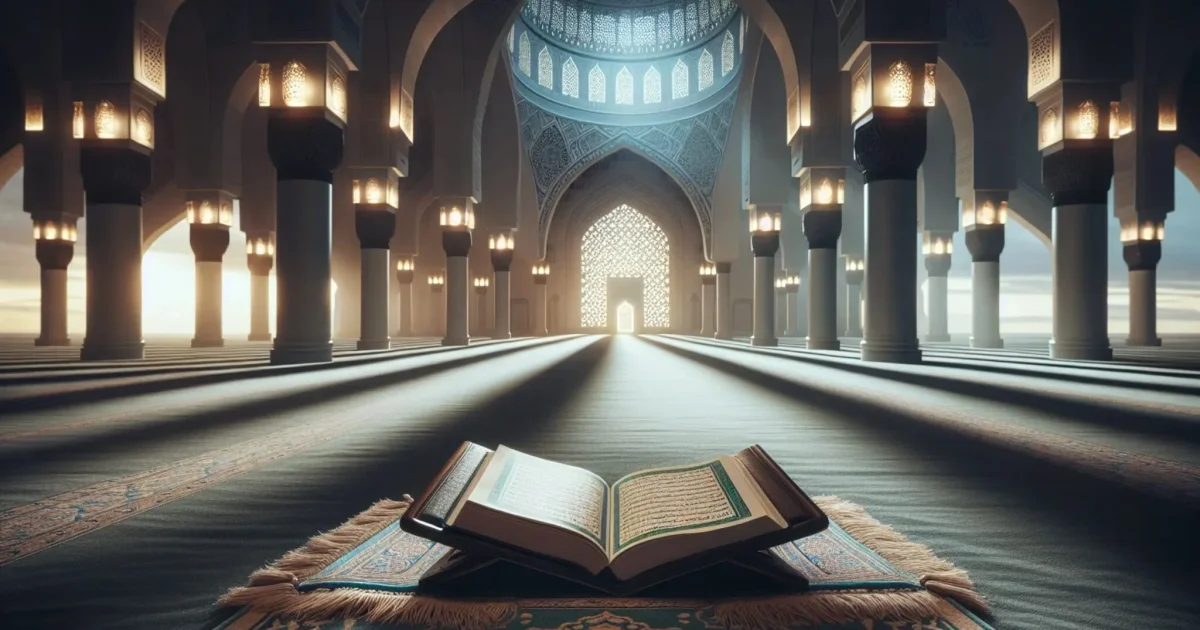
Complete Guide to Prophet’s Worship ﷺ: Practical Steps
Complete Guide to Prophet’s Worship ﷺ: Practical Steps
Learn the authentic Prophet’s worship ﷺ in detail, from his nightly prayers to daily dhikr, and discover how to implement these beautiful acts in your own life with sincerity and love.
Table of Contents
- Introduction: Why Following the Prophet’s Worship Matters
- The Prophet’s Night Prayer (Tahajjud)
- How the Prophet ﷺ Performed Daily Salah
- Morning & Evening Dhikr and Du’a
- Sunnah Fasting: Following the Prophet’s Example
- Practical Tips to Emulate Prophet’s Worship
- Frequently Asked Questions
- Conclusion: A Call to Transform Your Worship
Introduction: Why Following the Prophet’s Worship Matters
Every Muslim yearns to draw closer to Allah, and the most beautiful path is the one walked by our beloved Prophet Muhammad ﷺ. His worship was not just ritual—it was a living connection with his Creator. By studying and implementing the Prophet’s worship ﷺ, we unlock spiritual depth, inner peace, and the love of Allah. This guide will walk you through the key acts of worship he ﷺ practiced, with evidence from the Quran and authentic Hadith.
The Prophet’s Night Prayer (Tahajjud)
The Prophet ﷺ would stand in prayer at night until his feet swelled. Sahih al-Bukhari records that he would pray eleven rak‘ahs, prolonging his recitation, bowing, and prostration. He often began with the du‘a: “O Allah, Lord of Jibril, Mikail, and Israfil…” This night worship was his source of strength and closeness to Allah.
How to Pray Tahajjud Like the Prophet
Start with two quick rak‘ahs, then pray as many as you wish in pairs. Recite long portions from the Quran, such as Surah al-Mulk or Surah as-Sajdah. End with Witr prayer. The Prophet ﷺ said, “The best prayer after the obligatory ones is the night prayer.” (Sahih Muslim)
How the Prophet ﷺ Performed Daily Salah
His ﷺ salah was marked by humility and presence of heart. He would stand calmly, place his right hand over his left, and recite al-Fatihah slowly. In bowing (ruku‘), he would say “Subhana Rabbiyal ‘Adheem” three times, and in prostration (sujud), “Subhana Rabbiyal A‘la” three times. He often supplicated in sujud, saying, “O Allah, forgive me my sins, great and small.”
For a deeper understanding of prayer spaces, visit Masjid4All – Find Your Local Masjid to connect with a community that prays together.
Morning & Evening Dhikr and Du’a
The Prophet’s worship ﷺ included constant remembrance of Allah. He would say after every prayer: “Subhanallah” (33 times), “Alhamdulillah” (33 times), “Allahu Akbar” (33 times), and complete with “La ilaha illallah wahdahu la sharika lah…” (Sahih Muslim). In the morning and evening, he recited specific du‘as for protection, provision, and gratitude.
Key Morning Dhikr from the Sunnah
- “Bismillahilladhi la yadurru ma‘asmihi shay’un…” – protects from harm.
- “A‘udhu billahi min ash-shaytan ir-rajim” – 3 times.
- Surah al-Ikhlas, al-Falaq, an-Nas – 3 times each.
These simple yet powerful words bring barakah and safety throughout the day.
Sunnah Fasting: Following the Prophet’s Example
The Prophet ﷺ fasted regularly on Mondays and Thursdays, saying, “Deeds are presented on Monday and Thursday, and I love that my deeds be presented while I am fasting.” (Sunan al-Tirmidhi) He also fasted the three white days (13th, 14th, 15th of each lunar month) and the day of ‘Arafah. Fasting trains the soul in self-discipline and empathy for the poor.
To support ethical businesses that uphold Islamic values, explore Masjid4All Business Directory.
Practical Tips to Emulate Prophet’s Worship
Start small but be consistent. The Prophet ﷺ said, “The most beloved deeds to Allah are those that are consistent, even if small.” (Sahih al-Bukhari). Here are actionable steps:
- Pray five daily prayers on time, with focus (khushu‘).
- Add two rak‘ahs of Duha (forenoon prayer) each day.
- Recite morning and evening adhkar from authentic sources.
- Fast on Mondays and Thursdays.
- Give charity regularly, even if a small amount.
- Sleep early and wake up for Tahajjud.
Remember, the goal is not perfection but sincere effort. Allah loves the one who tries.
Frequently Asked Questions
What is the most important part of Prophet’s worship?
The most important is the obligatory salah performed with humility and presence of heart, as the Prophet ﷺ said, “The first thing a servant will be asked about on the Day of Judgment is his prayer.”
Can I pray Tahajjud every night?
Yes, but the Prophet ﷺ advised moderation. If you fear you cannot wake up, pray Witr before sleeping. Consistency is better than occasional long prayers.
How do I make dhikr part of my daily routine?
Start with the morning and evening adhkar after Fajr and Asr. Use a tasbih or a phone app to count. Gradually increase to include adhkar after each prayer.
Is it necessary to follow every Sunnah act?
While not obligatory, following the Sunnah brings immense reward and love for the Prophet ﷺ. Start with the confirmed (mu’akkadah) Sunnahs and build from there.
Conclusion: A Call to Transform Your Worship
The Prophet’s worship ﷺ was a complete way of life, filled with love, humility, and devotion. By learning and applying these practices, you not only earn Allah’s pleasure but also find true peace. Begin today with one small act—maybe the morning dhikr or a night prayer—and watch your faith grow. May Allah accept our efforts and make us among those who follow the Prophet ﷺ in every aspect of life. Ameen.
Still have questions?
Sofia can answer follow-up questions on this topic, point you to a mosque near you, or help with anything else on Masjid4All.
Ask Sofia about this