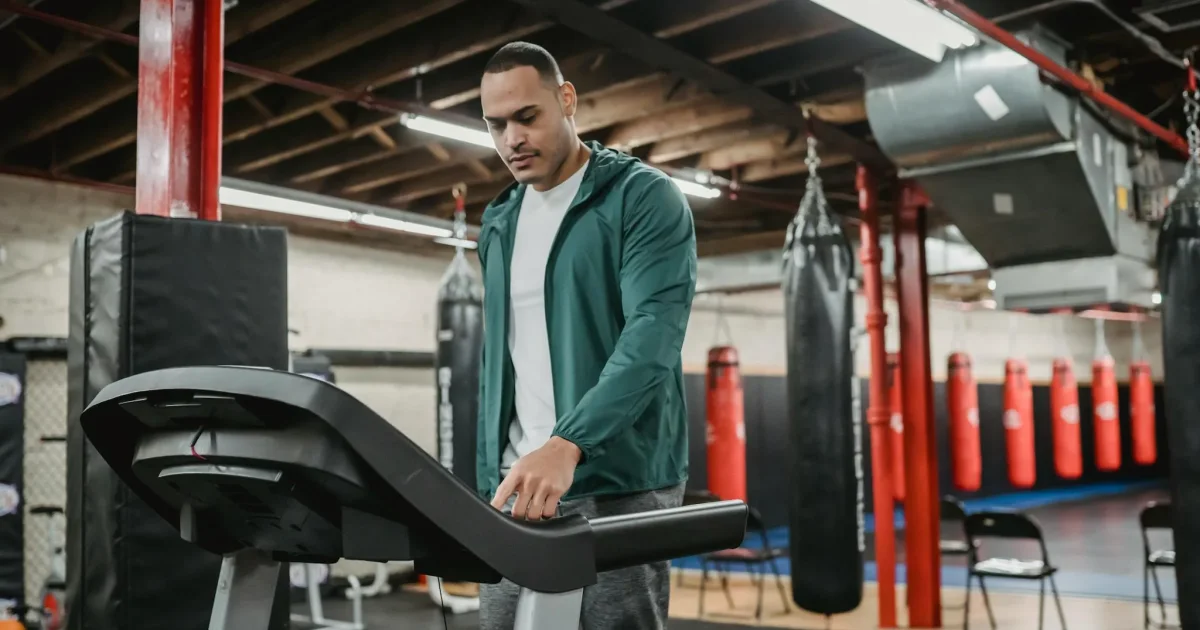
Complete Health and Fitness in Islam Guide
Complete Health and Fitness in Islam Guide
Health and fitness in Islam is not merely a worldly pursuit but a profound act of worship. The Prophet Muhammad ﷺ said, “A strong believer is better and more beloved to Allah than a weak believer” (Sahih Muslim). This guide explores how caring for your body strengthens your faith, offering practical steps rooted in Quran and Sunnah.
Table of Contents
- Why Your Body Matters in Islam
- Quran and Hadith on Physical Well-being
- Islamic Diet: Eating for Energy and Taqwa
- Exercise in Islam: Moving with Purpose
- Practical Tips for a Holistic Halal Lifestyle
- Frequently Asked Questions
- Conclusion: Your Body, Your Trust
Why Your Body Matters in Islam
Your body is an amanah (trust) from Allah. On the Day of Judgment, you will be asked about your health and how you used it. The Prophet ﷺ said, “The first thing people will be asked about on the Day of Resurrection is: ‘Did we not give you a healthy body?'” (Tirmidhi). This makes health and fitness in Islam a spiritual responsibility.
Neglecting your body through poor diet, laziness, or harmful habits is ingratitude. Conversely, maintaining strength enables you to pray longer, fast easier, and serve your community better. A healthy believer can worship more effectively and contribute more to society.
At Masjid4All, we emphasize that caring for your body is part of your overall well-being as a Muslim.
Quran and Hadith on Physical Well-being
Allah says in the Quran: “Eat and drink, but be not excessive. Indeed, He likes not those who commit excess” (Quran 7:31). Moderation is the cornerstone of Islamic health.
The Prophet ﷺ taught: “Fill one-third of your stomach with food, one-third with drink, and one-third with air” (Ibn Majah). This simple guideline prevents overeating and promotes digestion.
He also recommended physical activities like wrestling, swimming, and horse riding. These were not just hobbies but acts of preparation and strength. Today, any halal exercise that keeps you fit follows this sunnah.
For more guidance, consult IslamQA for rulings on specific health practices.
Islamic Diet: Eating for Energy and Taqwa
Halal and Tayyib: Pure and Wholesome
Allah commands: “O you who have believed, eat from the good things which We have provided for you” (Quran 2:172). Halal is more than just permissible; it must be tayyib (good, pure, healthy). Avoid processed foods, excessive sugar, and artificial ingredients.
Prophetic Foods for Optimal Health
The Prophet ﷺ loved honey, dates, olive oil, and black seed. These foods are scientifically proven to boost immunity, energy, and overall health. Incorporate them into your daily diet.
- Dates: Natural energy, rich in fiber and minerals.
- Honey: Antibacterial, soothes throat, natural sweetener.
- Olive oil: Healthy fats for heart and brain.
- Black seed: “Cure for every disease except death” (Bukhari).
The Sunnah of Eating
Always say Bismillah before eating. Eat with your right hand. Chew slowly. Stop before full. These habits prevent digestive issues and promote mindfulness.
Fasting on Mondays and Thursdays, as the Prophet ﷺ did, gives your digestive system a rest and boosts detoxification.
Exercise in Islam: Moving with Purpose
The Prophet ﷺ raced with his wife Aisha (رضي الله عنها) and encouraged strength. He said, “Your body has a right over you” (Bukhari). Exercise is a right of your body.
Choose halal activities: walking, running, swimming, cycling, weight training, martial arts (without mixed-gender or music issues). Aim for at least 30 minutes daily. Even a brisk walk after Fajr or Maghrib counts as worship when done with intention.
Strength training helps you perform physical acts of worship like standing long in prayer, carrying heavy loads for family, or helping in the community. This is practical health and fitness in Islam.
Practical Tips for a Holistic Halal Lifestyle
- Start with intention (niyyah): Make your fitness goal an act of worship. Say, “I exercise to strengthen my body for Allah’s obedience.”
- Follow a balanced routine: Include cardio, strength, and flexibility. Pray Tahajjud for spiritual strength.
- Sleep early, wake early: The Prophet ﷺ disliked sleeping before Isha and waking late. Sleep 7-8 hours for muscle recovery.
- Stay hydrated: Drink water between meals, not during. Avoid sugary drinks.
- Join a Muslim fitness group: Community support keeps you motivated. Check local masjid programs.
- Track progress: Use a journal or app. Celebrate small wins.
- Seek knowledge: Learn about nutrition and exercise from reliable Islamic sources.
Frequently Asked Questions
Is it permissible to exercise in Islam?
Yes, absolutely. Exercise is recommended as long as it does not involve haram elements like immodest dress, mixed-gender environments, or music. The Prophet ﷺ engaged in physical activities and encouraged them.
What is the best diet according to Islam?
The best diet is halal, tayyib, and moderate. Follow the Prophet’s ﷺ example: eat dates, honey, olive oil, and whole foods. Avoid overeating and unhealthy processed items. Fasting regularly is also highly beneficial.
Can I workout while fasting?
Yes, but with caution. Light to moderate exercise during Ramadan is fine. Heavy workouts are better after Iftar. Listen to your body and prioritize hydration and nutrition during non-fasting hours.
How do I balance fitness with Islamic obligations?
Schedule your workouts around prayer times. Use exercise as a way to prepare for worship. For example, a morning run can energize you for Fajr and Quran study. Never let fitness delay or miss your prayers.
Conclusion: Your Body, Your Trust
Health and fitness in Islam is a beautiful integration of body and soul. By caring for your physical health, you honor the trust Allah has given you, increase your ability to worship, and set a positive example for others.
Start today with one small change: a short walk, a healthier meal, or a sincere intention. Your Creator is watching, and every effort for His sake is rewarded. May Allah grant us all strong bodies and sound hearts. Ameen.
Still have questions?
Sofia can answer follow-up questions on this topic, point you to a mosque near you, or help with anything else on Masjid4All.
Ask Sofia about this