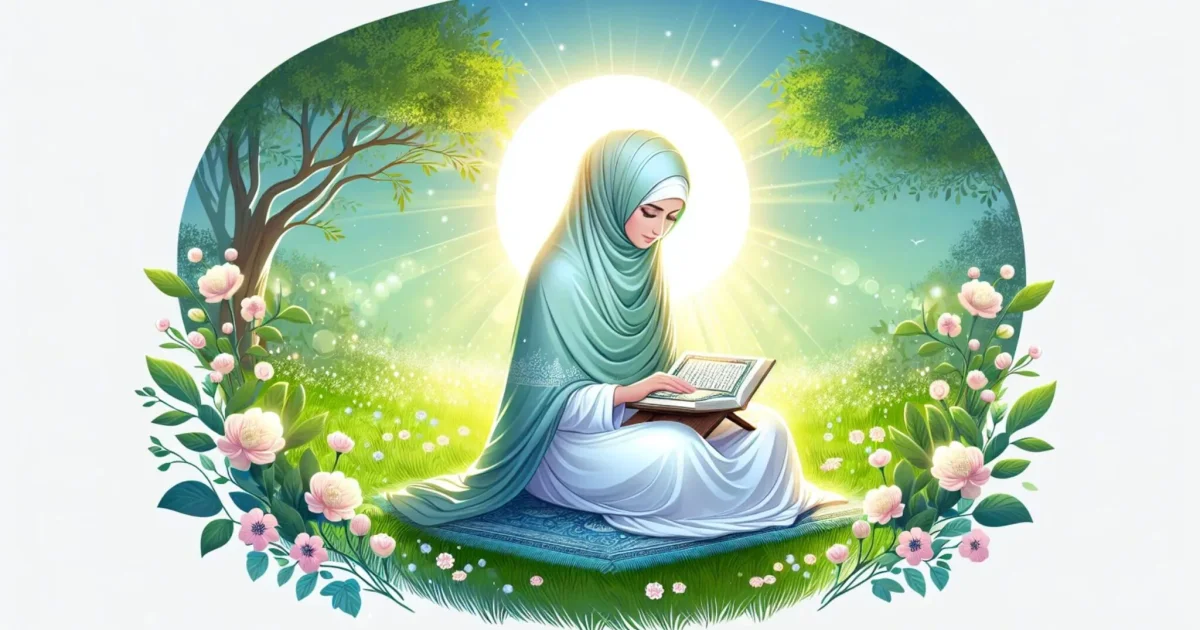
The Power of Sabr: Developing Patience in Islam
The Power of Sabr: Developing Patience in Islam
Developing patience, known as sabr in Islam, is a profound spiritual practice that transforms hardship into growth and ease into gratitude. This essential virtue is not merely waiting but active perseverance, trust in Allah, and self-discipline. In this guide, we explore the power of sabr through Quranic wisdom, prophetic teachings, and practical steps for daily life.
Table of Contents
- What is Sabr? Understanding Patience in Islam
- Quranic Verses on Developing Patience
- Prophetic Examples of Sabr
- Patience in Hardship: Turning Trials into Blessings
- Patience in Ease: Gratitude and Steadfastness
- Practical Tips for Developing Patience
- Frequently Asked Questions
- Conclusion
What is Sabr? Understanding Patience in Islam
Sabr is an Arabic word that means patience, perseverance, and self-restraint. In Islamic terminology, it refers to the ability to remain steadfast in obedience to Allah, refrain from sin, and accept divine decrees with contentment. Developing patience is a central theme in the Quran and Sunnah, and it is considered half of faith.
The Prophet Muhammad ﷺ said, “Sabr is a light” (Sahih Muslim). This light illuminates the path through darkness and trials. Sabr is not passive; it is an active struggle against one’s lower desires and a conscious trust in Allah’s wisdom.
Quranic Verses on Developing Patience
The Quran repeatedly emphasizes the importance of sabr. Allah says: “O you who have believed, seek help through patience and prayer. Indeed, Allah is with the patient.” (Quran 2:153). This verse connects patience directly with divine support.
Another powerful verse: “O you who have believed, persevere and endure and remain stationed and fear Allah that you may be successful.” (Quran 3:200). Here, patience is linked to ultimate success in this life and the Hereafter.
Allah also promises immense reward: “Indeed, the patient will be given their reward without account.” (Quran 39:10). This unlimited reward motivates believers to cultivate sabr in all circumstances.
Prophetic Examples of Sabr
The life of Prophet Muhammad ﷺ is the best example of developing patience. He faced persecution, loss of loved ones, and immense hardship with unwavering trust in Allah. When the people of Taif rejected and stoned him, he prayed for their guidance instead of cursing them.
During the Battle of Uhud, when the Muslims faced defeat, the Prophet ﷺ remained patient and encouraged his companions. Aisha (رضي الله عنها) reported that the Prophet ﷺ said, “No calamity befalls a Muslim but that Allah expiates some of his sins because of it, even if it is the prick of a thorn.” (Sahih al-Bukhari).
Patience in Hardship: Turning Trials into Blessings
Life is full of tests—illness, financial loss, grief, and injustice. Developing patience during these times is a sign of true faith. The Prophet ﷺ said, “Amazing is the affair of the believer. All of it is good, and that is not for anyone except the believer. If something good happens to him, he is grateful, and that is good for him. If something bad happens to him, he is patient, and that is good for him.” (Sahih Muslim).
Practical steps to develop patience in hardship include:
- Reciting duas for patience, such as “Rabbana afrigh alayna sabran” (Quran 2:250).
- Remembering that trials expiate sins and raise ranks.
- Seeking support from the Muslim community. You can find local masjids for spiritual gatherings.
- Reflecting on the stories of prophets like Ayyub (عليه السلام) and Yunus (عليه السلام).
Patience in Ease: Gratitude and Steadfastness
Patience is not only for hardship. It is equally important during times of ease and prosperity. Developing patience in ease means remaining grateful, avoiding arrogance, and continuing to obey Allah. Many people forget Allah when they have wealth, health, or happiness.
Allah warns: “And as for man, when his Lord tries him and [thus] is generous to him and favors him, he says, ‘My Lord has honored me.’ But when He tries him and restricts his provision, he says, ‘My Lord has humiliated me.'” (Quran 89:15-16). True sabr includes being patient with blessings by using them for good.
Practical Tips for Developing Patience
Here are actionable ways to strengthen your sabr:
- Start small: Practice patience in daily annoyances like traffic or long queues.
- Make dua: Ask Allah to grant you patience. The Prophet ﷺ often prayed, “O Allah, I ask You for patience and certainty.” (Sunan Abi Dawud).
- Study the Quran: Regular recitation and reflection increase patience.
- Fast regularly: Fasting trains self-control and patience.
- Join a community: Attend Islamic classes or events at a local Islamic business or masjid.
- Remember death: This life is temporary; patience becomes easier when we focus on the Hereafter.
Frequently Asked Questions
What is the difference between sabr and patience?
Sabr is a deeper Islamic concept that includes patience, perseverance, self-restraint, and trust in Allah. While patience may be passive, sabr is an active spiritual struggle that brings reward.
How can I develop patience in difficult times?
Start by making sincere dua, reciting Quranic verses about sabr, and remembering that every trial is a chance for spiritual growth. Seek support from family and the Muslim community. For more guidance, visit IslamQA.
Is patience only for hardship?
No, patience is required in both hardship and ease. In ease, patience means staying grateful and obedient. In hardship, it means trusting Allah and not complaining.
What reward does Allah promise for the patient?
Allah promises unlimited reward without account (Quran 39:10), forgiveness, and divine love. The patient are also given success in this life and the Hereafter.
Conclusion
Developing patience is a lifelong journey that brings immense peace and closeness to Allah. Whether in hardship or ease, sabr transforms our perspective and strengthens our faith. By following the Quran, Sunnah, and practical steps outlined here, you can cultivate this powerful virtue.
Remember, Allah is with the patient. Start today, and watch your life change for the better. For more resources on personal development, explore local masjids and Islamic businesses near you.
Still have questions?
Sofia can answer follow-up questions on this topic, point you to a mosque near you, or help with anything else on Masjid4All.
Ask Sofia about this