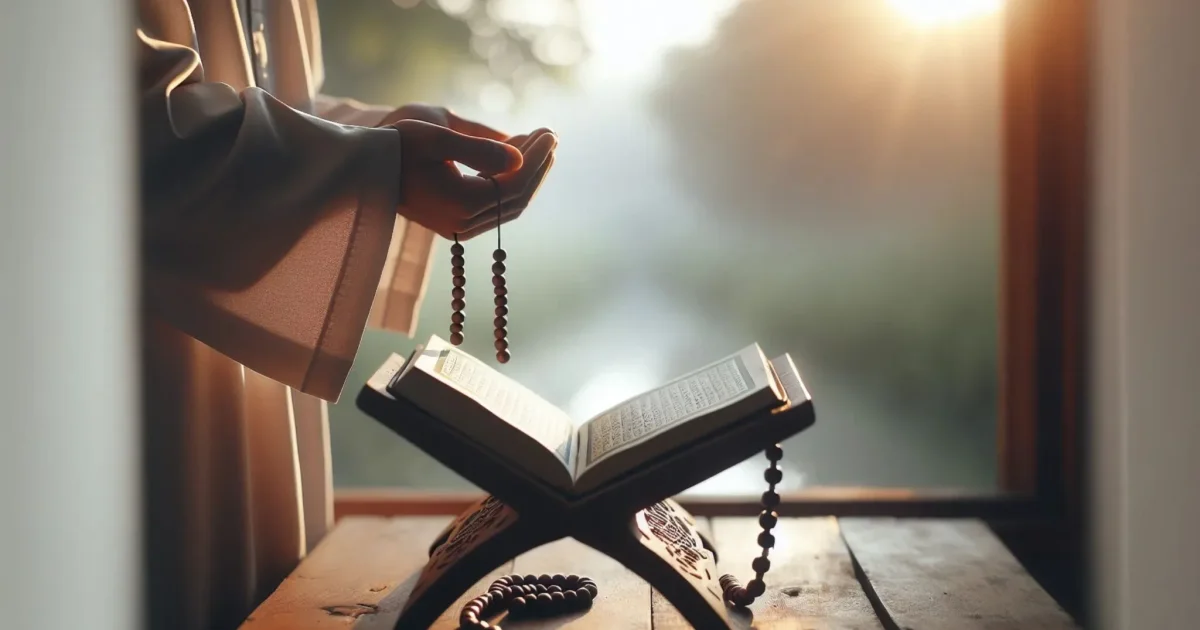
Powerful Quran Memorization Methods for Lasting Retention
Powerful Quran Memorization Methods for Lasting Retention
Effective Quran memorization methods are essential for every Muslim who desires to preserve the Book of Allah in their heart. Whether you are a beginner or revisiting hifz, these techniques will help you memorize and retain the Quran with confidence.
Table of Contents
- The Virtue of Memorizing the Quran
- Spiritual and Physical Preparation
- Proven Quran Memorization Methods
- How to Retain What You Memorize
- Practical Daily Tips
- Frequently Asked Questions
- Conclusion
The Virtue of Memorizing the Quran
Memorizing the Quran is a noble act that brings immense reward in this life and the Hereafter. The Prophet Muhammad ﷺ said: “The best among you are those who learn the Quran and teach it.” (Sahih al-Bukhari, sunnah.com). Every letter you memorize earns you ten good deeds, and the one who struggles with hifz receives double reward.
Starting your journey with sincere intention for Allah’s pleasure is the foundation of success. The Quran itself is a healing and mercy, and those who memorize it become the people of Allah. For a supportive environment to learn, consider visiting local masjids that offer hifz programs.
“And We have certainly made the Quran easy to remember, so is there any who will remember?” (Surah Al-Qamar 54:17, quran.com)
Spiritual and Physical Preparation
Purify Your Intention
Before you begin, renew your intention solely for Allah. Ask Him to bless your effort and make the Quran a spring of light in your heart. Sincere intention multiplies your reward and removes barriers.
Choose the Best Time and Place
Early morning after Fajr is the most blessed time for memorization. The mind is fresh, and the environment is quiet. Find a clean, distraction-free spot where you can focus completely.
Use a Reliable Mushaf
Use a standard Madinah Mushaf that has consistent page breaks. This helps you visualize the page and recall verses easily. Stick to one copy for all your hifz and revision.
Proven Quran Memorization Methods
1. The Repetition Method
Repeat a verse 10 to 20 times aloud until it flows naturally. Then add the next verse and repeat both together. This builds strong neural connections. The key is consistent repetition over several days.
2. The Chunking Technique
Break a page into small chunks of 3–5 verses. Master each chunk before moving to the next. Combine chunks and review the entire page at once. This method prevents overwhelm and enhances accuracy.
3. The Listening Method
Listen to a recitation by a renowned qari like Sheikh Sudais or Sheikh Al-Husary. Follow along in your Mushaf, then repeat after the reciter. Listening improves pronunciation and melody, making memorization easier.
4. The Writing Method
Write the verses you are memorizing on a whiteboard or paper. Writing engages a different part of your brain and reinforces memory. After writing, recite from memory and check for errors.
5. The Link Method
Connect the end of one verse to the beginning of the next by finding a common word or theme. Create a mental story or image. This is especially useful for long passages.
How to Retain What You Memorize
Daily Revision is Non-Negotiable
Revision is more important than new memorization. Dedicate at least 30 minutes daily to reviewing old portions. Without revision, your memorization fades. Use the principle: “Revise before you memorize new.”
Use the Five Daily Prayers
Recite from your memorized portion in each salah. This locks verses into your long-term memory. For example, recite a new page in Fajr, another in Dhuhr, and so on.
Teach Someone Else
Teaching is the best form of learning. Explain verses to family or friends, or join a hifz circle at a local Islamic center. You will discover gaps and strengthen your recall.
Connect Meaning to Memory
Study the tafsir (explanation) of the verses you memorize. Understanding the meaning creates emotional connection and makes recall easier. When you know what Allah is saying, the words stick.
Practical Daily Tips
- Start with a short surah like Al-Fatiha or An-Nas to build momentum.
- Memorize for 20–30 minutes in the morning and 10–15 minutes at night.
- Use a hifz tracker or journal to log your progress.
- Recite aloud to involve your ears and mouth.
- Take a break if you feel frustrated—rest is part of learning.
- Make dua after every prayer asking Allah to help you memorize.
For more guidance on building a consistent routine, read this article on daily hifz habits at the masjid.
Frequently Asked Questions
How long does it take to memorize the entire Quran?
It varies by individual. With consistent daily effort, many students complete hifz in 2–5 years. Consistency matters more than speed.
Can I memorize Quran as an adult?
Absolutely. Many adults have successfully memorized the Quran. Your life experience and sincerity can be powerful assets. Start small and stay consistent.
What is the best Quran memorization method for beginners?
The repetition method combined with listening is ideal for beginners. Start with short surahs, repeat each verse 10 times, and gradually increase. Use a reliable Mushaf and revise daily.
How do I overcome forgetting verses?
Forgetting is normal. Increase your revision time, recite in salah, and teach others. Use the link method and study tafsir to deepen connection. Make constant dua for retention.
Is it necessary to learn Arabic to memorize Quran?
No, but learning basic Arabic helps with understanding and retention. You can memorize with transliteration, but studying meaning enhances your bond with the Quran.
Conclusion
Memorizing the Quran is a beautiful journey that transforms your life. Use these Quran memorization methods consistently, stay patient, and rely on Allah. Every verse you memorize is a light for you in this world and the next. Start today, and may Allah make the Quran the spring of your heart.
Remember, the best time to begin is now. Seek knowledge, join a hifz circle, and keep the Quran alive in your heart. For more resources, explore masjid programs near you and connect with the community of huffadh.
Still have questions?
Sofia can answer follow-up questions on this topic, point you to a mosque near you, or help with anything else on Masjid4All.
Ask Sofia about this