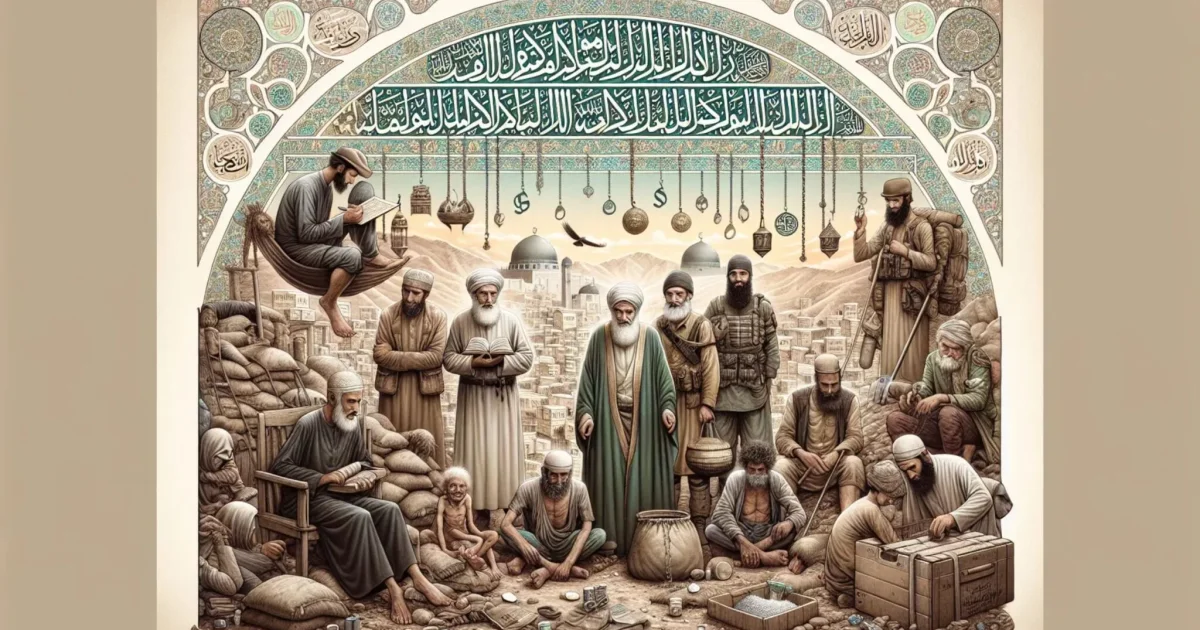
Eligible Recipients of Zakat: The 8 Essential Categories
Eligible Recipients of Zakat: Understanding the 8 Essential Categories
Understanding the eligible recipients of zakat is crucial for every Muslim who wishes to fulfill this pillar of Islam correctly. Allah (SWT) has clearly defined in the Quran who may receive zakat, ensuring it reaches those truly in need. This comprehensive guide explains each of the 8 categories with authentic evidence and practical advice.
Table of Contents
- Introduction
- The Quranic Foundation for Zakat Recipients
- The 8 Eligible Recipients of Zakat
- Practical Tips for Distributing Zakat
- Authentic Hadith on Zakat Recipients
- Frequently Asked Questions
- Conclusion
Introduction
Zakat is one of the five pillars of Islam, an obligatory act of worship that purifies wealth and supports the community. But to ensure your zakat is valid and accepted, you must give it to the correct people. Allah (SWT) has specified exactly who qualifies as eligible recipients of zakat in Surah At-Tawbah, verse 60. This verse is the primary reference for all zakat distribution.
The Quranic Foundation for Zakat Recipients
Allah says in the Quran: “Zakat expenditures are only for the poor and for the needy and for those employed to collect [zakat] and for bringing hearts together [for Islam] and for freeing captives [or slaves] and for those in debt and for the cause of Allah and for the [stranded] traveler – an obligation [imposed] by Allah. And Allah is Knowing and Wise.” (Quran 9:60)
This verse establishes eight distinct categories, and scholars agree that zakat must be distributed exclusively among these groups. Understanding each category helps you make informed decisions about your zakat.
The 8 Eligible Recipients of Zakat
1. The Poor (Al-Fuqara)
These are people who have very little or no means of sustenance. They may have some income but it is insufficient to meet their basic needs like food, clothing, and shelter. In many communities, these are individuals living below the poverty line.
2. The Needy (Al-Masakeen)
The needy are those who are in extreme hardship and have nothing at all. They often cannot find work or are unable to earn due to illness, disability, or other circumstances. They are the most deserving of immediate assistance.
3. Zakat Collectors (Al-Amileena Alayha)
These are the people appointed by an Islamic authority to collect, manage, and distribute zakat. They are paid a fair wage for their work, even if they are personally wealthy, because their service is essential for the system.
4. Those Whose Hearts Are to Be Reconciled (Al-Muallafatu Qulubuhum)
This category includes new Muslims or those inclined towards Islam who need support to strengthen their faith. It also includes influential figures whose acceptance of Islam can encourage others. This category is especially important in dawah efforts.
5. Freeing Captives or Slaves (Fi Ar-Riqab)
Zakat can be used to help free Muslim slaves or captives. In modern times, this extends to freeing those unjustly imprisoned or helping people escape human trafficking and forced labor.
6. Those in Debt (Al-Gharimin)
People who have incurred debts for legitimate reasons and cannot repay them are eligible. This includes debts from medical expenses, education, housing, or business losses. However, debts from sinful activities are not covered.
7. In the Cause of Allah (Fi Sabilillah)
This broad category includes those fighting in jihad (defensive war) and those engaged in Islamic work such as building mosques, schools, hospitals, and spreading beneficial knowledge. Many scholars also include funding for Islamic education and dawah projects here. For example, supporting a local masjid project or community center can be a valid use of zakat under this category.
8. The Stranded Traveler (Ibn as-Sabil)
A traveler who runs out of resources while away from home, even if they are wealthy back home, can receive zakat. This also includes refugees and displaced people who are stranded far from their homes.
Practical Tips for Distributing Zakat
To ensure your zakat reaches the right people, follow these guidelines:
- Verify eligibility: Make sure the recipient falls into one of the 8 categories. Do not give zakat to non-Muslims or wealthy individuals.
- Give priority to local needs: Your local community should be your first priority, then your country, then the Muslim ummah globally.
- Use trusted organizations: Reputable charities and Islamic centers, like those listed on Masjid4All Business, can help you distribute zakat correctly.
- Give enough to be beneficial: The amount should genuinely help the recipient, not just be a token.
- Keep it confidential: Do not humiliate the recipient by publicizing your charity.
Authentic Hadith on Zakat Recipients
The Prophet Muhammad ﷺ said: “Allah has not made it lawful for a prophet or for the believers to give zakat to anyone except those whom Allah has made eligible for it.” (Narrated by Abu Dawood and others, Sunan Abi Dawud)
Another hadith emphasizes the importance of giving zakat to the deserving: “The upper hand is better than the lower hand; the upper hand is that which gives, and the lower hand is that which asks.” (Sahih al-Bukhari, Sunnah.com)
Scholars like those at IslamQA.info provide detailed rulings on zakat distribution based on these sources.
Frequently Asked Questions
Can zakat be given to non-Muslims?
According to the majority of scholars, zakat is only for Muslims, as specified in the Quranic verse. However, some scholars allow giving zakat to non-Muslims in certain circumstances, such as to soften their hearts towards Islam (the category of muallafatu qulubuhum).
Can I give zakat to my family members?
You cannot give zakat to your immediate dependents (spouse, children, parents) because you are already obligated to support them. However, you can give zakat to other relatives like siblings, uncles, or cousins if they are eligible.
What if I cannot find eligible recipients in my area?
If you cannot find eligible recipients locally, you can send your zakat to other regions or countries where the need is greater. Many reputable charities facilitate this. Always verify the organization’s credibility.
Can zakat be given to build a mosque or school?
This is a debated issue. Many scholars include building mosques and schools under “fi sabilillah” (in the cause of Allah), especially if they serve the community’s religious needs. For example, contributing to a masjid construction project may be valid. However, some scholars restrict this category to direct support of fighters or students. Consult a reliable scholar for your specific situation.
How much zakat should I give to each category?
The Quran does not specify fixed percentages for each category. You can distribute your zakat to one or more categories as needed. It is recommended to prioritize the most needy in your community.
Conclusion
Knowing the eligible recipients of zakat is essential for every Muslim. By following the Quranic guidance and authentic hadith, you can ensure your zakat is accepted and brings maximum benefit. Remember to give with sincerity, prioritize the most vulnerable, and seek knowledge from reliable sources. May Allah accept our zakat and purify our wealth.
For more resources on zakat and other Islamic topics, visit Masjid4All and explore our comprehensive guides.
Still have questions?
Sofia can answer follow-up questions on this topic, point you to a mosque near you, or help with anything else on Masjid4All.
Ask Sofia about this