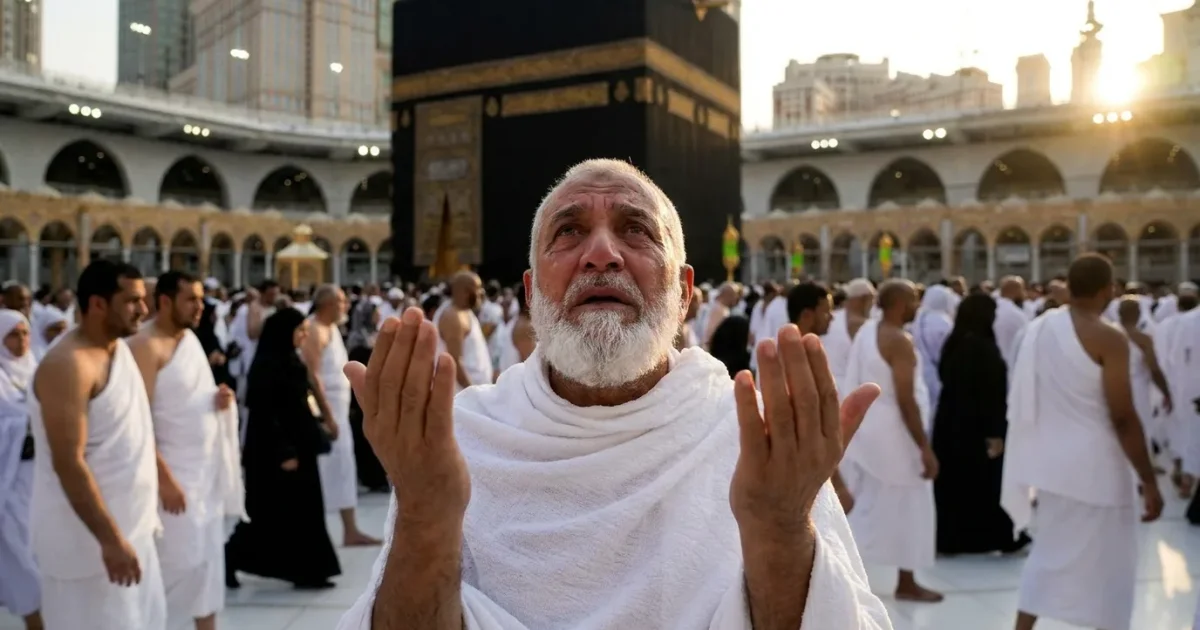
Essential Duas for Hajj and Umrah Pilgrimage
Essential Duas for Hajj and Umrah Pilgrimage
Duas for Hajj and Umrah are vital for every pilgrim seeking a blessed journey. These supplications connect you with Allah during every step, from leaving home to completing the rites. This guide offers authentic prayers rooted in the Quran and Sunnah, helping you maximize your spiritual experience.
Table of Contents
- Introduction: The Power of Duas in Pilgrimage
- Duas Before Travel
- Duas for Entering Ihram
- Duas for Tawaf
- Duas for Sa’i
- Duas for the Day of Arafah
- Practical Tips for Making Duas
- Frequently Asked Questions
- Conclusion
Introduction: The Power of Duas in Pilgrimage
Pilgrimage is a profound act of worship, and Duas for Hajj and Umrah enhance its spiritual depth. These prayers are not just rituals; they are heartfelt conversations with Allah. The Prophet Muhammad ﷺ said, “Duas is worship” (Sunan Abi Dawud). By reciting authentic supplications, you align your heart with the essence of submission.
Every moment of Hajj and Umrah is an opportunity to seek forgiveness, mercy, and guidance. This article provides essential Duas for Hajj and Umrah, ensuring you don’t miss any blessed occasion. Whether you are a first-time pilgrim or returning, these prayers will enrich your journey.
Duas Before Travel
Before embarking on your pilgrimage, recite the travel dua. The Prophet ﷺ taught: “Allahu Akbar, Allahu Akbar, Allahu Akbar, Subhanalladhi sakhkhara lana hadha wa ma kunna lahu muqrinin, wa inna ila rabbina lamunqalibun” (Sahih Muslim). This acknowledges Allah’s control over travel.
Also, ask your family and community for forgiveness. A pure heart leads to a more accepted pilgrimage. You can also visit your local masjid for group prayers before departure.
Duas for Entering Ihram
When entering Ihram, recite the Talbiyah: “Labbayk Allahumma labbayk, labbayka la sharika laka labbayk, innal hamda wan ni’mata laka wal mulk, la sharika lak” (Sahih Bukhari). This is the core supplication of Hajj and Umrah.
After putting on Ihram garments, make intention (niyyah) for Umrah or Hajj. Say: “Allahumma inni uridul umrata fayassirha li wa taqabbalha minni.” This sincere prayer sets the tone for your entire pilgrimage.
Duas for Tawaf
During Tawaf around the Kaaba, recite abundant duas. Between the Yemeni Corner and the Black Stone, say: “Rabbana atina fid dunya hasanatan wa fil akhirati hasanatan wa qina adhaban nar” (Quran 2:201, read on Quran.com).
You can also make personal supplications in your language. The Prophet ﷺ said, “The best dua is on the day of Arafah” (Sunan al-Tirmidhi). Use Tawaf to ask for your needs, family, and the Ummah.
Duas for Sa’i
Sa’i between Safa and Marwah commemorates Hajar’s search for water. When climbing Safa, recite: “Allahu Akbar, la ilaha illallah, Allahu Akbar, wa lillahil hamd” (Sahih Muslim). Then make dua facing the Kaaba.
On Marwah, recite similar praises. This is a time to ask for patience, provision, and closeness to Allah. Remember to stay humble and focused.
Duas for the Day of Arafah
The Day of Arafah is the climax of Hajj. The Prophet ﷺ said, “The best dua is the dua of Arafah” (Sunan al-Tirmidhi). Recite: “La ilaha illallah wahdahu la sharika lah, lahul mulku wa lahul hamdu wa huwa ala kulli shayin qadir” (Sahih Muslim).
Raise your hands and beg for forgiveness. You can also recite Quranic verses like Surah Al-Ikhlas. This day is a golden opportunity for repentance. For business owners, this is a time to seek barakah; consider Islamic business guidance for ethical practices.
Practical Tips for Making Duas
- Be sincere: Focus on the meaning, not just words.
- Use Arabic: Recite authentic duas in Arabic, but you can add personal prayers in your language.
- Raise hands: Follow the Sunnah by raising hands during earnest supplication.
- Choose blessed times: After prayers, during rain, or at midnight are excellent moments.
- Make dua for others: The Prophet ﷺ said, “The dua of a Muslim for his brother in his absence is readily answered” (Sahih Muslim).
Refer to IslamQA for authentic rulings on pilgrimage prayers.
Frequently Asked Questions
Can I make duas in my own language during Hajj and Umrah?
Yes, you can make duas in any language. While Arabic is best for prescribed supplications, personal prayers in your native tongue are acceptable and often more heartfelt.
Are there specific duas for each pillar of Hajj?
Yes, there are authentic duas for Tawaf, Sa’i, Arafah, and other rites. This article covers key ones, but you can find more in books like “Fortress of the Muslim”.
Do I need to memorize all duas before traveling?
Memorizing is beneficial, but you can carry a booklet or use a phone app. The key is sincerity, not perfection.
Can women recite duas aloud during pilgrimage?
Women should recite softly, not loudly, especially around non-mahram men. The same duas are recommended, but with lowered voice.
What if I forget a specific dua?
Don’t worry. You can always ask Allah for forgiveness, mercy, and guidance in simple words. Allah knows your heart.
Conclusion
Duas for Hajj and Umrah are your lifeline during this sacred journey. They transform rituals into spiritual conversations with Allah. By reciting these authentic supplications, you deepen your connection and increase your rewards.
Remember, pilgrimage is not just about physical acts; it’s about the heart. Use every moment to seek Allah’s pleasure. May your Hajj and Umrah be accepted, your sins forgiven, and your duas answered. Start preparing today with sincere intentions and these powerful prayers.
Still have questions?
Sofia can answer follow-up questions on this topic, point you to a mosque near you, or help with anything else on Masjid4All.
Ask Sofia about this