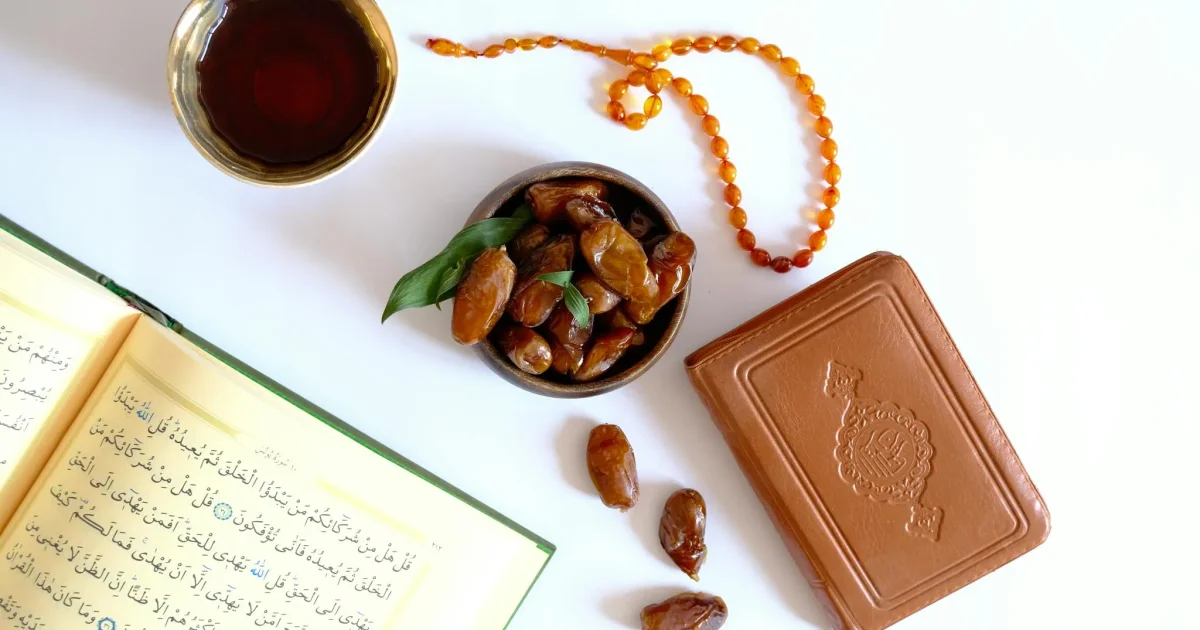
Essential Halal Business Practices: Ethical Trade in Islam
Essential Halal Business Practices: Ethical Trade in Islam
Halal business practices are the foundation of ethical trade in Islam. Every Muslim entrepreneur must ensure their income is pure and blessed. This guide explores the principles of Islamic commerce, backed by Quran and authentic Hadith, to help you build a righteous and successful business.
Table of Contents
- The Importance of Halal Business Practices
- Quranic Guidance on Trade
- The Prophetic Example in Business
- Key Principles of Halal Business Practices
- Forbidden Elements in Business
- Practical Tips for Ethical Trade
- Frequently Asked Questions
- Conclusion
The Importance of Halal Business Practices
In Islam, earning a halal livelihood is an act of worship. The Prophet Muhammad ﷺ said: “Seeking halal earning is an obligation after the obligatory acts.” (Tabarani). This shows that halal business practices are not just optional but essential for every Muslim.
When you engage in ethical trade, you protect your faith, family, and society. Haram earnings can invalidate your prayers and supplications. The Prophet ﷺ mentioned a person who travels far, disheveled and dusty, raising his hands to the sky saying, “O Lord, O Lord,” but his food, drink, and clothing are from haram sources. He said: “So how can his prayer be answered?” (Muslim).
Therefore, understanding and applying halal business practices is crucial for every Muslim entrepreneur. It brings barakah (blessing) in your wealth and peace in your heart.
Quranic Guidance on Trade
The Quran provides clear guidance on commerce and ethical trade. Allah says:
“O you who have believed, do not consume one another’s wealth unjustly but only [in lawful] business by mutual consent.” (Quran 4:29)
This verse establishes the foundation of halal business practices: mutual consent and justice. Any transaction based on coercion, fraud, or deception is strictly prohibited.
Allah also commands fairness in measurement and weight:
“And give full measure when you measure, and weigh with an even balance. That is the best [way] and best in result.” (Quran 17:35)
Honesty in business dealings is a sign of true faith. The Quran repeatedly warns against cheating and fraud, emphasizing that Allah sees all transactions.
The Prophetic Example in Business
The Prophet Muhammad ﷺ was known as Al-Amin (the trustworthy) even before his prophethood. He ﷺ engaged in trade with utmost honesty and integrity. His example is the best model for halal business practices.
He ﷺ said: “The truthful and trustworthy merchant will be with the prophets, the truthful, and the martyrs.” (Tirmidhi)
This hadith highlights the high rank of ethical businessmen. They are not just successful in this world but will be honored in the Hereafter. The Prophet ﷺ also taught that both parties in a transaction have the right to cancel as long as they have not separated, encouraging transparency and mutual satisfaction.
He ﷺ forbade deceptive practices such as najsh (artificially inflating prices) and selling items with hidden defects. His ﷺ life is a practical guide for Islamic commerce.
Key Principles of Halal Business Practices
To ensure your business follows halal business practices, adhere to these core principles:
- Honesty and Truthfulness: Never lie about your products or services. Disclose all defects.
- Mutual Consent: Both buyer and seller must willingly agree to the transaction without pressure.
- No Interest (Riba): Avoid any form of interest-based transactions. This includes loans, credit sales with extra charges, and banking interest.
- No Gambling (Maysir): Avoid speculative contracts, insurance with uncertainty, and games of chance.
- No Prohibited Goods: Do not trade in alcohol, pork, drugs, or any haram items.
- Fair Pricing: Do not exploit customers by charging exorbitant prices during shortages.
- Fulfillment of Contracts: Honor all agreements and deliver on time.
These principles form the backbone of ethical trade in Islam. By following them, you ensure your business is blessed and pleasing to Allah.
Forbidden Elements in Business
Islam clearly prohibits certain practices that undermine halal business practices. These include:
| Prohibited Element | Explanation | Evidence |
|---|---|---|
| Riba (Interest) | Any predetermined excess on a loan or sale on credit. | Quran 2:275 |
| Gharar (Uncertainty) | Contracts with excessive risk or ambiguity, like selling a fish in the sea. | Muslim |
| Fraud and Deception | Misrepresenting goods, hiding defects, or cheating in measurement. | Quran 83:1-3 |
| Hoarding (Ihtikar) | Stockpiling essential goods to drive up prices. | Muslim |
| Bribery (Rishwah) | Paying or receiving bribes to influence decisions. | Quran 2:188 |
Avoiding these elements is essential for maintaining halal business practices. For more detailed guidance, you can visit IslamQA.
Practical Tips for Ethical Trade
Implementing halal business practices in your daily operations is easier than you think. Here are actionable tips:
- Start with Sincere Intention (Niyyah): Intend to earn halal and serve the community.
- Learn Islamic Finance Basics: Understand contracts like Murabahah, Musharakah, and Ijarah.
- Be Transparent with Customers: Clearly state product details, price, and terms.
- Give Full Measure and Weight: Even small businesses must be accurate.
- Pay Employees Fairly and on Time: The Prophet ﷺ said: “Give the worker his wages before his sweat dries.” (Ibn Majah)
- Avoid Debt: If you must borrow, use interest-free options or Islamic financing.
- Give Charity from Your Profits: Purify your wealth through Zakat and Sadaqah.
- Consult Scholars: When in doubt about a transaction, ask a knowledgeable person.
These tips will help you build a business that is both profitable and pleasing to Allah. For more resources, check out Islamic business guidelines.
Frequently Asked Questions
What are the basic rules of halal business practices?
The basic rules include honesty, mutual consent, avoiding interest (riba), avoiding gambling, selling only halal goods, fair pricing, and fulfilling contracts. These principles ensure the transaction is valid and blessed.
Can I sell products on credit in Islam?
Yes, selling on credit is allowed as long as the price is fixed at the time of sale and no extra interest is charged for late payment. The transaction must be clear and agreed upon by both parties.
What should I do if I unknowingly engaged in a haram transaction?
You should repent sincerely to Allah, return any ill-gotten gains if possible, and avoid the same mistake in the future. It is also recommended to consult a scholar for specific cases.
Is it permissible to work in a bank that deals with interest?
Working in a conventional bank that deals with interest is generally considered haram because it involves facilitating riba. However, working in an Islamic bank that follows Shariah principles is permissible and encouraged.
Conclusion
In conclusion, halal business practices are not just a set of rules but a comprehensive way of life for Muslims. They bring barakah, trust, and success in both worlds. By following Quranic guidance, the Prophetic example, and the principles outlined above, you can engage in ethical trade that pleases Allah and benefits society.
Remember, every honest transaction is an act of worship. Start today by reviewing your business practices and aligning them with Islamic teachings. For more guidance, visit your local masjid or consult a reliable Islamic scholar.
May Allah bless your earnings and make your business a source of goodness for you and your community. Ameen.
Still have questions?
Sofia can answer follow-up questions on this topic, point you to a mosque near you, or help with anything else on Masjid4All.
Ask Sofia about this