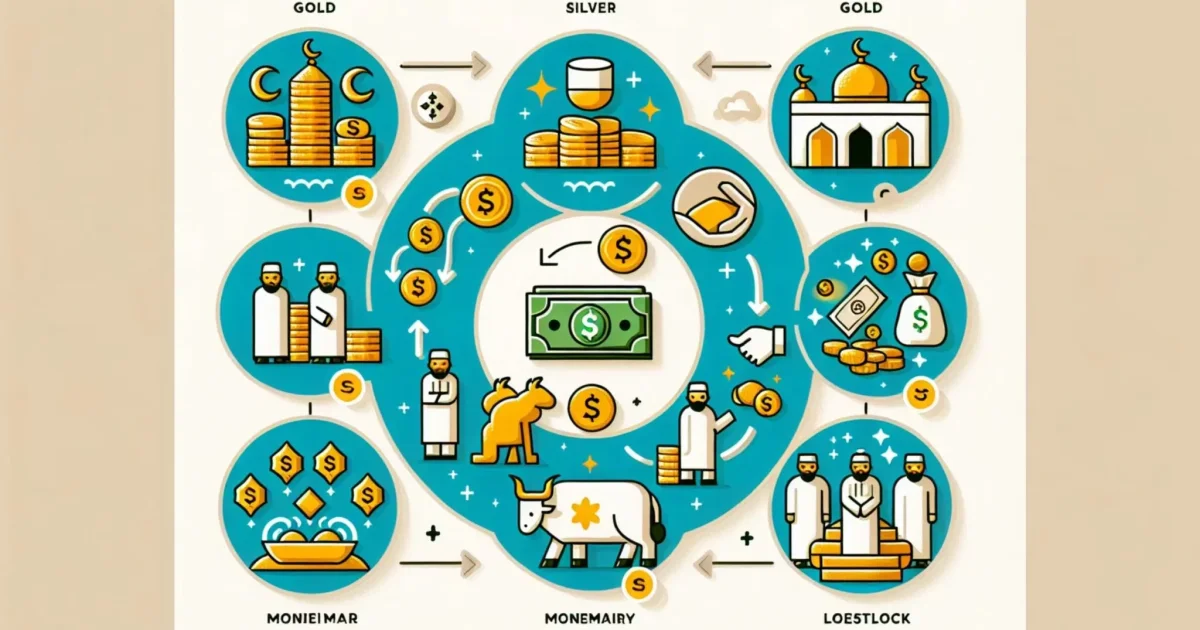
Essential Zakat Types: A Complete Guide to Islamic Obligations
Essential Zakat Types: A Complete Guide to Islamic Obligations
Understanding the different zakat types is essential for every Muslim. Zakat is one of the five pillars of Islam, a divine command to purify wealth and help those in need. This comprehensive guide explains the categories, obligations, and practical steps to fulfill this beautiful duty.
Table of Contents
- What is Zakat?
- Zakat Types Explained
- Zakat al-Mal: Wealth Zakat
- Zakat al-Fitr: Fast-Breaking Zakat
- Zakat on Gold, Silver, and Currency
- Zakat on Livestock and Agriculture
- Categories of Zakat Recipients
- Practical Tips for Paying Zakat
- Frequently Asked Questions
- Conclusion
What is Zakat?
Zakat is an obligatory form of charity in Islam, derived from the Arabic root meaning “to purify” and “to grow.” It is a fixed portion of wealth that must be given to specific categories of people. Allah says in the Quran:
“Take from their wealth a charity by which you purify them and cause them to increase.” (Quran 9:103)
Zakat is not just a financial duty; it is a spiritual act that cleanses the soul from greed and fosters compassion. It is mandatory for every Muslim who meets the nisab (minimum threshold of wealth).
Zakat Types Explained
The zakat types are primarily divided into two main categories: Zakat al-Mal (wealth zakat) and Zakat al-Fitr (fast-breaking zakat). Each type has its own rules, nisab, and purpose. Understanding these categories helps Muslims fulfill their obligations correctly.
Zakat al-Mal: Wealth Zakat
Zakat al-Mal is the most common form of zakat. It applies to various assets including cash, gold, silver, business inventory, and investments. The nisab is equivalent to the value of 85 grams of gold or 595 grams of silver. Once your wealth exceeds this threshold and remains for one lunar year, you must pay 2.5% of it as zakat.
Items Subject to Zakat al-Mal
- Cash in hand and bank accounts
- Gold and silver (including jewelry)
- Business inventory and trade goods
- Stocks and investments
- Rental income and savings
For example, if you have $10,000 in savings for a full year, your zakat would be $250. This simple calculation makes it easy for everyone. For more guidance, visit your local masjid or consult an Islamic scholar.
Zakat al-Fitr: Fast-Breaking Zakat
Zakat al-Fitr is a special zakat given at the end of Ramadan, before the Eid prayer. It is obligatory for every Muslim, regardless of age or wealth, as long as they have food for themselves and their family. The amount is approximately the cost of one meal (around 2.5 kg of staple food) per person.
The Prophet ﷺ said: “The fast remains suspended between heaven and earth until the Sadaqat al-Fitr is paid.” (Sunan Abi Dawud)
This zakat purifies the fast from any indecent act or speech and provides food for the poor on the day of Eid. It is a beautiful way to ensure everyone can celebrate.
Zakat on Gold, Silver, and Currency
Gold and silver, whether in the form of jewelry, coins, or bars, are subject to zakat if they reach the nisab. The same applies to modern currency. Many Muslims are unsure about jewelry, but the majority of scholars agree that gold jewelry worn for adornment is also zakatable if it exceeds the nisab.
For example, if you own 100 grams of gold, you must pay zakat on it. The nisab for gold is 85 grams. So, 100 grams minus 85 grams = 15 grams subject to zakat? No, actually the entire amount is zakatable once it exceeds the nisab. Always consult a reliable scholar for precise calculations.
Zakat on Livestock and Agriculture
For those who own livestock such as camels, cattle, sheep, or goats, zakat is due when the number reaches a certain threshold. The rates vary by animal type. Similarly, agricultural produce is subject to zakat (called Ushr) at the time of harvest.
- Cattle: 1 cow for every 30 cows, 2 for 40, etc.
- Sheep/Goats: 1 sheep for 40-120, 2 for 121-200, etc.
- Camels: Detailed rates based on number.
For crops, if irrigated naturally, zakat is 10%; if irrigated manually, it is 5%. This system ensures fairness and supports the community.
Categories of Zakat Recipients
The Quran specifies eight categories of people who can receive zakat in Surah At-Tawbah (9:60):
- The poor (Faqir)
- The needy (Miskin)
- Zakat collectors
- Those whose hearts are to be reconciled
- Freeing captives/slaves
- Those in debt
- In the cause of Allah
- The wayfarer (traveler in need)
Zakat cannot be given to one’s parents, children, spouse, or non-Muslims (according to most scholars). It is best to give zakat through reputable organizations or directly to known needy individuals. Many businesses also facilitate zakat collection; check with your local business community for trusted channels.
Practical Tips for Paying Zakat
- Calculate your zakat annually on the same date.
- Use online zakat calculators for accuracy.
- Pay before the due date to avoid delay.
- Give to trusted charities or directly to the needy.
- Keep records for your own reference.
Remember, zakat is a right of the poor upon your wealth. Paying it with sincerity brings barakah (blessings) and peace of heart.
Frequently Asked Questions
What are the main zakat types?
The main zakat types are Zakat al-Mal (wealth zakat) and Zakat al-Fitr (fast-breaking zakat). Zakat al-Mal applies to savings, gold, silver, business goods, and investments, while Zakat al-Fitr is given at the end of Ramadan.
How much zakat do I have to pay?
For Zakat al-Mal, you pay 2.5% of your total wealth that exceeds the nisab and has been in your possession for one lunar year. For Zakat al-Fitr, the amount is approximately the cost of one meal per person.
Do I pay zakat on my house or car?
No, zakat is not due on personal assets like your primary residence, car, or clothing. It applies to savings, investments, and surplus wealth.
Can I give zakat to my family?
You cannot give zakat to your parents, children, or spouse. However, you can give it to siblings, uncles, aunts, or other relatives who are needy, provided they are not your direct dependents.
What is the nisab for zakat?
The nisab is the minimum amount of wealth that makes zakat obligatory. It is equivalent to the value of 85 grams of gold or 595 grams of silver. This value changes with market prices.
Conclusion
Understanding the zakat types is crucial for every Muslim who wants to fulfill this pillar of Islam correctly. Whether it is Zakat al-Mal on your savings or Zakat al-Fitr at the end of Ramadan, each type has its unique rules and rewards. By learning and applying these obligations, you purify your wealth, help the needy, and draw closer to Allah. May Allah accept your zakat and bless your wealth. For more detailed guidance, consult reliable scholars or visit IslamQA for authentic answers.
Still have questions?
Sofia can answer follow-up questions on this topic, point you to a mosque near you, or help with anything else on Masjid4All.
Ask Sofia about this