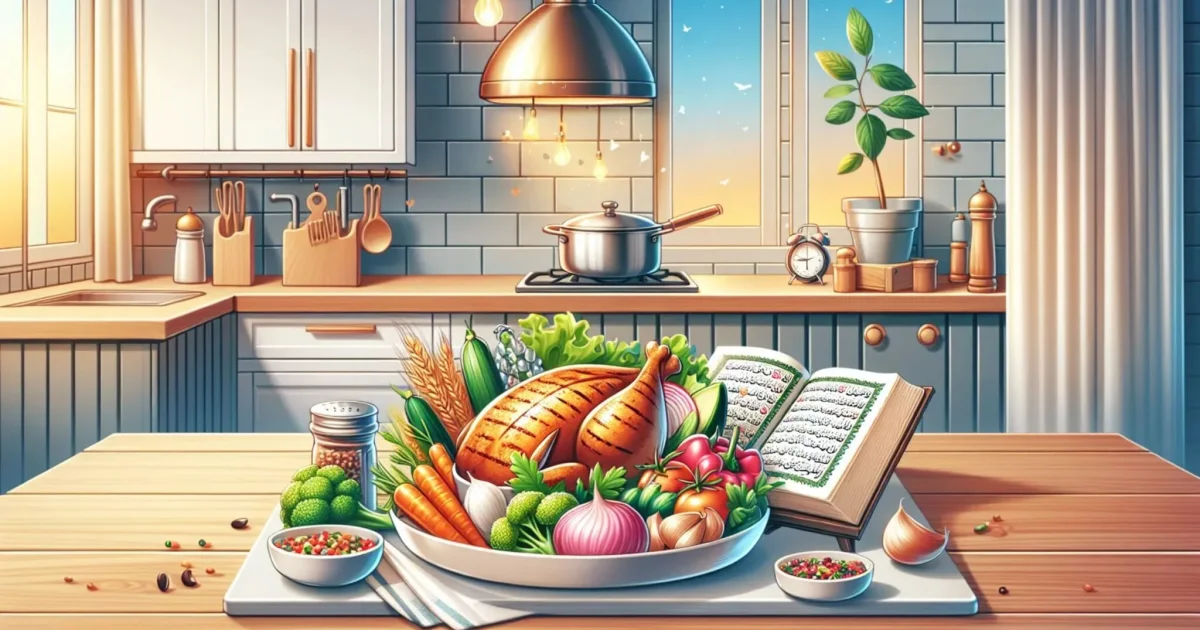
Essential Halal & Haram Foods Guide: Lawful Eating
Essential Halal & Haram Foods Guide: Lawful Eating
Understanding Halal & Haram Foods is vital for every Muslim seeking to please Allah. This guide explains Quranic principles and practical steps for lawful consumption.
Table of Contents
- What Are Halal & Haram Foods?
- Quranic Guidelines on Food
- Categories of Foods
- Practical Tips for Halal Eating
- Common Misconceptions
- Frequently Asked Questions
- Conclusion
What Are Halal & Haram Foods?
Halal means permissible, while haram means forbidden. Allah has provided clear guidance on what Muslims can and cannot eat. Following these rules is an act of worship.
For example, pork and alcohol are strictly haram. Halal meat must come from animals slaughtered according to Islamic rites. For more on community practices, visit your local masjid.
Quranic Guidelines on Food
Allah says in the Quran: “O mankind, eat from whatever is on earth [that is] lawful and good” (Quran 2:168). This verse emphasizes lawful and pure consumption.
Another key verse: “Prohibited to you are dead animals, blood, the flesh of swine…” (Quran 5:3). These prohibitions are clear and comprehensive.
The Prophet Muhammad ﷺ said: “The halal is clear and the haram is clear” (Sahih Muslim, source). This hadith guides Muslims to avoid doubtful matters.
Categories of Foods
Halal Foods
- All vegetables, fruits, grains, and legumes
- Fish and seafood (most scholars agree)
- Meat from halal-slaughtered animals (cattle, sheep, chicken)
- Dairy products from halal animals
- Foods free from haram additives
Haram Foods
- Pork and its by-products
- Alcohol and intoxicants
- Carrion (dead animals not slaughtered)
- Blood and blood products
- Meat not slaughtered in Allah’s name
Mashbooh (Doubtful) Foods
Some foods contain unclear ingredients. It is best to avoid them or verify. Check labels for gelatin, enzymes, or emulsifiers. For business-related halal certification, see halal business resources.
Practical Tips for Halal Eating
Here are actionable steps to ensure you consume only halal:
- Look for halal certification logos on packaged foods.
- Ask restaurants about their meat sources and cooking methods.
- Avoid cross-contamination with haram items in kitchens.
- Learn to read ingredient labels for hidden haram substances.
- Support halal butchers and businesses.
Remember, eating halal is not just about food—it’s about obedience to Allah. As the Quran says: “And eat of what Allah has provided for you [which is] lawful and good” (Quran 5:88).
Common Misconceptions
Some think halal only applies to meat. In reality, it covers all food and drink. Another myth is that all seafood is halal—most scholars agree, but some differ on certain types.
Also, “halal” does not mean unhealthy. Islam encourages wholesome, pure food. The concept of tayyib (good) complements halal, emphasizing quality and ethics.
For authentic rulings, consult IslamQA for detailed answers.
Frequently Asked Questions
What is the difference between halal and haram food?
Halal food is permissible under Islamic law, while haram food is forbidden. The difference is based on Quranic verses and hadith.
Is all seafood halal?
Most scholars consider all seafood halal. The Hanafi school excludes some non-fish creatures. Check your madhab for specifics.
Can Muslims eat food cooked with alcohol?
Alcohol is haram, even if cooked. The intoxicating substance remains impure. Avoid dishes cooked with wine or spirits.
How can I verify if a product is halal?
Look for certification from a trusted Islamic body. Contact the manufacturer if unsure. Avoid products with vague ingredients like “natural flavors.”
What should I do if I accidentally eat haram food?
If done unknowingly, there is no sin. Repent to Allah and be more careful in the future. Allah is Most Forgiving.
Conclusion
Understanding Halal & Haram Foods is essential for every Muslim. By following Quranic guidance and authentic hadith, you can ensure your consumption is lawful and pure. Start today by checking your pantry and making informed choices. May Allah accept our efforts and grant us rizq halal. Ameen.
Still have questions?
Sofia can answer follow-up questions on this topic, point you to a mosque near you, or help with anything else on Masjid4All.
Ask Sofia about this