Knowledge Hub
Select Category
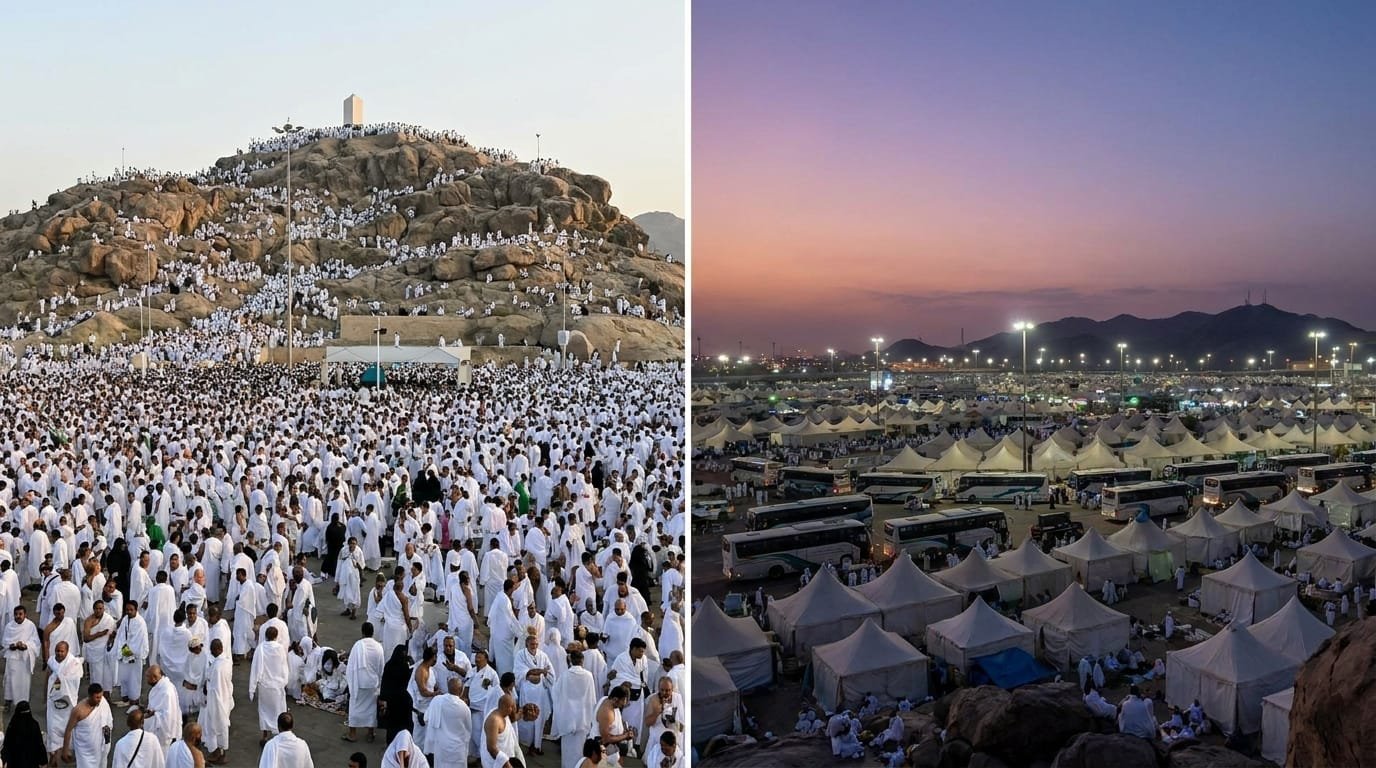
The Heart of Hajj: Arafat and Muzdalifah – Essential Guide
Arafat and Muzdalifah form the spiritual core of the Hajj pilgrimage. Standing on the plain of Arafat and spending the night under the open sky in Muzdalifah are transformative experiences that every Muslim should understand deeply. This guide explores the significance, rituals, and blessings of these sacred stations.
Table of Contents
- The Importance of Arafat
- Standing at Arafat: The Essence of Hajj
- The Blessed Night in Muzdalifah
- Practical Tips for Pilgrims
- Quran and Hadith References
- Frequently Asked Questions
- Conclusion
The Importance of Arafat
The Day of Arafah, on the 9th of Dhul Hijjah, is the most significant day of the Hajj. The Prophet Muhammad ﷺ said, “Hajj is Arafah” (Sunan al-Tirmidhi, sunnah.com). This means that missing the standing at Arafat invalidates the entire pilgrimage. It is a day of immense mercy, forgiveness, and supplication.
On this day, millions of pilgrims gather on the plain of Arafat, outside Mecca, from noon until sunset. They engage in prayer, remembrance of Allah, and heartfelt repentance. It is a powerful reminder of the Day of Judgment, when all humanity will stand before their Creator.
Standing at Arafat: The Essence of Hajj
The standing at Arafat, known as Wuquf, is the central pillar of Hajj. Pilgrims spend the day in a state of humility and devotion, asking Allah for forgiveness and blessings. The Prophet ﷺ said, “There is no day on which Allah frees more people from the Fire than the Day of Arafah” (Sahih Muslim, sunnah.com).
During this time, it is recommended to recite the Talbiyah, make abundant duas, and seek forgiveness. Many pilgrims also read the Quran and reflect on their lives. The atmosphere is one of unity and spiritual intensity, as people from all over the world stand together as equals.
Key Rituals at Arafat
- Arrive before noon and stay until sunset.
- Combine Dhuhr and Asr prayers (shortened) at the mosque of Namirah or in your tent.
- Face the Qiblah and raise your hands in supplication.
- Recite the Talbiyah frequently: “Labbayk Allahumma Labbayk…”
- Make sincere repentance and ask for your needs.
After sunset, pilgrims leave Arafat and head to Muzdalifah, a journey filled with spiritual anticipation. The transition from Arafat to Muzdalifah symbolizes moving from intense supplication to rest and reflection.
The Blessed Night in Muzdalifah
Muzdalifah is a plain located between Arafat and Mina. Pilgrims spend the night there after leaving Arafat. It is a time for rest, prayer, and collecting pebbles for the stoning of the devil (Ramy al-Jamarat) in Mina. The night in Muzdalifah is an integral part of the Hajj, and the Prophet ﷺ emphasized its importance.
Upon arriving in Muzdalifah, pilgrims perform Maghrib and Isha prayers combined (with Isha shortened). They then sleep or rest, but many also engage in night prayers and remembrance. The atmosphere is serene under the starry sky, a stark contrast to the crowded energy of Arafat.
What to Do in Muzdalifah
- Combine Maghrib and Isha prayers immediately upon arrival.
- Collect 49 or 70 small pebbles (about the size of a chickpea) for the stoning rituals.
- Spend the night in worship or rest, as it is a Sunnah to stay until Fajr.
- Recite the Talbiyah, takbir, and make duas.
- After Fajr prayer, leave for Mina before sunrise.
Many pilgrims find the night in Muzdalifah to be a deeply spiritual experience. It is a time of quiet reflection, away from the hustle of daily life. For those looking to deepen their connection to the pilgrimage, consider visiting a local mosque to learn more about Hajj rituals.
Practical Tips for Pilgrims
Preparing for Arafat and Muzdalifah requires both spiritual and physical readiness. Here are some practical tips to help you make the most of these sacred days:
- Stay Hydrated: The weather can be extremely hot. Drink plenty of water and use umbrellas.
- Wear Comfortable Clothing: Ihram garments should be light and breathable. Women can wear any modest clothing.
- Carry a Small Bag: Keep your essentials like a prayer mat, Quran, and snacks.
- Make a Duas List: Prepare a list of personal and global supplications to recite at Arafat.
- Rest in Advance: Get enough sleep before the 9th to stay alert during the long day.
For those planning a business trip to Mecca, you can find Islamic business resources to help you manage your affairs while fulfilling your spiritual obligations.
Quran and Hadith References
The significance of Arafat and Muzdalifah is rooted in the Quran and Sunnah. Here are key references:
“And when you depart from Arafat, remember Allah at the Sacred Monument (Muzdalifah). And remember Him as He has guided you, for indeed, you were before that among the astray.” (Quran 2:198, quran.com)
This verse highlights the connection between the two locations. The Prophet ﷺ also said, “The best supplication is the supplication on the Day of Arafah” (Sunan al-Tirmidhi, sunnah.com).
Additionally, the Prophet ﷺ spent the night in Muzdalifah and said, “I have left you upon a clear path, the night of which is like its day” (Sunan Ibn Majah, sunnah.com). This emphasizes the clarity and importance of these rituals.
Frequently Asked Questions
What is the difference between Arafat and Muzdalifah?
Arafat is the plain where pilgrims stand on the 9th of Dhul Hijjah from noon to sunset, engaging in prayer and supplication. Muzdalifah is the area where pilgrims spend the night after leaving Arafat, combining Maghrib and Isha prayers and collecting pebbles for the stoning ritual.
Can I skip staying in Muzdalifah?
Spending the night in Muzdalifah is a wajib (obligatory) act of Hajj. If you skip it without a valid excuse, you must perform a dam (sacrifice of an animal) as compensation. It is best to follow the Sunnah and stay there.
What should I do if I get lost in Arafat?
Stay calm and ask for directions from authorities or fellow pilgrims. Use landmarks or your mobile phone if available. It is helpful to memorize your tent number or group name beforehand.
Is it allowed to sleep in Muzdalifah?
Yes, it is allowed and recommended to rest or sleep in Muzdalifah. The Prophet ﷺ slept there after combining prayers. However, some scholars recommend staying awake for worship if possible, but sleeping is not sinful.
Conclusion
Arafat and Muzdalifah are not just geographical locations; they are spiritual milestones that define the Hajj experience. Standing on the plain of Arafat brings a pilgrim closer to Allah, while the night in Muzdalifah offers a moment of peace and preparation for the days ahead. By understanding and embracing these rituals, you can transform your pilgrimage into a journey of profound faith and renewal. May Allah accept your efforts and grant you the blessings of these sacred places.
Advertisement