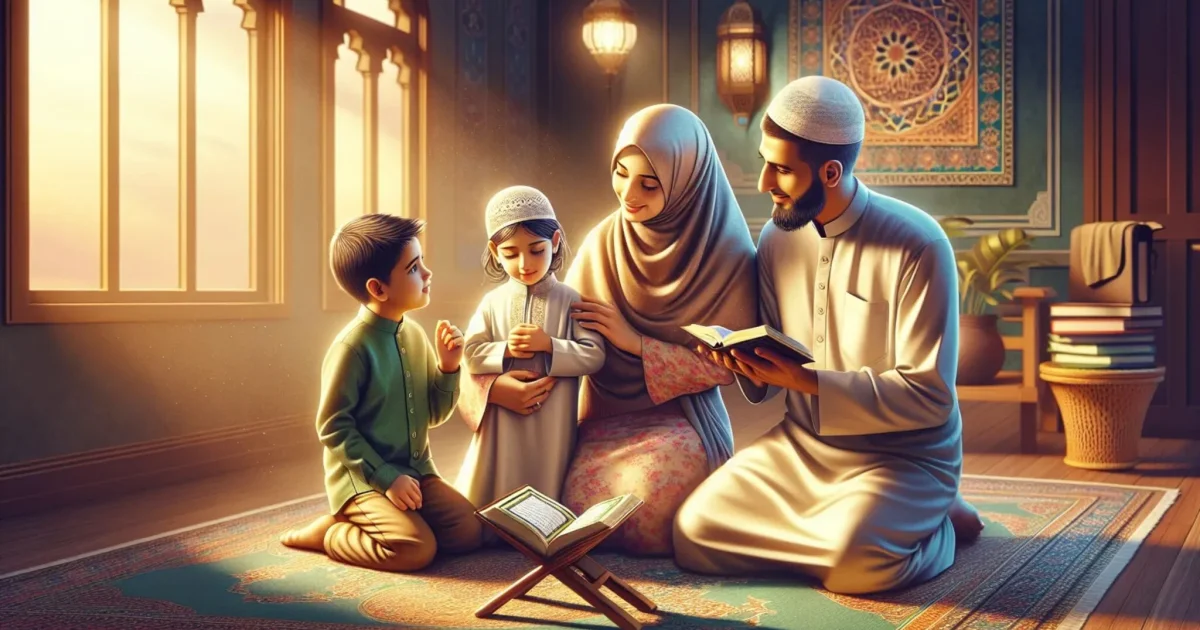
Islamic Upbringing of Children: A Practical Guide
Islamic Upbringing of Children: A Practical Guide
The Islamic upbringing of children is one of the greatest responsibilities and blessings for Muslim parents. It is the process of nurturing a child with love, faith, and moral character, starting from the earliest years. This guide provides practical steps, Quranic wisdom, and prophetic examples to help you raise righteous children who love Allah and contribute positively to society.
Table of Contents
- Why Islamic Upbringing Matters
- Foundations of Islamic Upbringing of Children
- Practical Steps for Islamic Parenting
- Quran and Hadith on Raising Children
- Common Challenges and Solutions
- Frequently Asked Questions
- Conclusion
Why Islamic Upbringing Matters
Every child is born with a natural inclination towards good (fitrah). The Prophet Muhammad ﷺ said, “Every child is born upon fitrah, then his parents make him a Jew, Christian, or Magian.” (Sahih Muslim, Sunnah.com). This hadith highlights the immense influence parents have on their child’s faith and character. A proper Islamic upbringing of children ensures that this fitrah is nurtured in the light of Islam, producing believers who are upright, compassionate, and responsible.
In today’s world, children face countless distractions and negative influences. By grounding them in Islamic values early, you equip them with a moral compass that guides their decisions for life. The Quran reminds us: “O you who have believed, protect yourselves and your families from a Fire whose fuel is people and stones…” (Surah At-Tahrim, 66:6, Quran.com).
Foundations of Islamic Upbringing of Children
Faith (Iman) as the Core
The first and most essential pillar is instilling a deep love for Allah and the Prophet ﷺ. Teach your child about Tawheed (oneness of Allah) from the moment they can understand. Use simple words: “Allah created everything, and He loves us.” Repeat the shahadah with them and explain its meaning gradually.
Character and Morals (Akhlaq)
Good character is half of faith. The Prophet ﷺ said, “The best among you are those who have the best manners and character.” (Sahih al-Bukhari, Sunnah.com). Teach honesty, kindness, patience, and respect. Lead by example—children learn more from what they see than what they are told.
Love and Compassion
The Prophet ﷺ was extremely loving with children. He would kiss his grandchildren, play with them, and make them feel special. Anas ibn Malik reported: “I never saw anyone who was more compassionate to children than the Messenger of Allah ﷺ.” (Sahih Muslim, Sunnah.com). Your love is the foundation of your child’s emotional security and their openness to your guidance.
Practical Steps for Islamic Parenting
1. Start Early with Simple Rituals
From infancy, say the adhan in their ear, recite Quran softly, and make dua for them. As they grow, involve them in salah—even if they just stand beside you. Make it fun and reward their efforts.
2. Teach Through Stories
Children love stories. Share stories of the prophets, companions, and righteous Muslims. Use colorful books and videos. Discuss the moral lessons. For example, the story of Prophet Yusuf عليه السلام teaches patience, forgiveness, and trust in Allah.
3. Create a Quran-Friendly Home
Play Quran recitation at home. Enroll your child in a local Quran class or use online resources. Even 10 minutes a day makes a difference. Praise their progress and explain the meanings of short surahs.
4. Model Islamic Behavior
Your child watches you more than you think. Let them see you pray, give charity, and speak kindly. When you make a mistake, apologize and seek forgiveness. This teaches humility and repentance.
5. Use Positive Discipline
The Prophet ﷺ never hit a child or servant. Discipline with love. Set clear rules, explain the consequences, and be consistent. Avoid harsh punishment. Instead, use time-outs, loss of privileges, or extra chores. Always explain the Islamic reason behind the rule.
6. Encourage Good Friends and Environment
Friends have a huge influence. Encourage your child to befriend pious children. Get involved in your local masjid community—attend programs, classes, and events. A supportive Islamic environment reinforces what you teach at home.
7. Teach Responsibility and Service
Give your child age-appropriate chores. Let them help with charity projects or collect donations for the needy. This builds empathy and a sense of responsibility. The Prophet ﷺ said, “Each of you is a shepherd and each of you is responsible for his flock.” (Sahih al-Bukhari, Sunnah.com).
Quran and Hadith on Raising Children
The Quran and Sunnah are filled with guidance on parenting. Here are key verses and hadith to reflect on:
- Quran 17:23-24 – “And your Lord has decreed that you not worship except Him, and to parents, good treatment…” (Quran.com). This teaches children to be respectful and caring towards parents.
- Quran 31:13-19 – Luqman’s advice to his son: “O my son, do not associate [anything] with Allah…” (Quran.com). A beautiful example of wise parenting.
- Hadith on Du’a – The Prophet ﷺ said, “Three supplications are answered without doubt: the supplication of the oppressed, the traveler, and the parent for his child.” (Sunan Ibn Majah, Sunnah.com). Make constant du’a for your children.
For more detailed rulings on child upbringing, consult reliable scholars on IslamQA.
Common Challenges and Solutions
Challenge: Lack of Time
Modern life is busy. But quality matters more than quantity. Set aside 15-20 minutes daily for undivided attention—reading Quran together, talking, or playing. Use car time for Islamic podcasts or nasheeds.
Challenge: Peer Pressure and Media
Monitor screen time and content. Use parental controls. Discuss why certain shows or games are harmful. Teach your child to be proud of their identity as a Muslim. Involve them in halal business or community service to build confidence.
Challenge: Disobedience or Rebellion
Stay calm and patient. Understand the root cause—maybe they are tired, hungry, or seeking attention. Use positive reinforcement. If needed, seek advice from an Islamic counselor or trusted elder.
Frequently Asked Questions
What is the best age to start Islamic upbringing?
From birth! Even newborns benefit from hearing Quran and adhan. Formal teaching can begin around age 3-4 with simple duas and short surahs.
How can I make Islamic learning fun for my child?
Use games, puzzles, coloring books about prophets, and Islamic cartoons. Reward them with stickers or small treats. Visit the masjid for children’s programs.
What if my child refuses to pray?
Don’t force or punish. Gently encourage, pray together, and explain the benefits. Make salah a happy family time. Lead by example and be patient.
How do I teach my child about Allah without fear?
Focus on Allah’s love, mercy, and blessings. Use nature as a lesson—the sky, rain, and animals. Say, “Allah made this for us because He loves us.” Avoid scary stories about hell for young children.
Conclusion
Raising children in Islam is a beautiful journey that requires patience, love, and consistency. The Islamic upbringing of children is not about perfection but about sincere effort and trust in Allah. Remember that every small step—a kind word, a shared prayer, a lesson in honesty—builds their faith and character over time. May Allah bless our children and make them the coolness of our eyes. Ameen.
For more resources on family life and parenting, explore our masjid community and halal business guides.
Still have questions?
Sofia can answer follow-up questions on this topic, point you to a mosque near you, or help with anything else on Masjid4All.
Ask Sofia about this