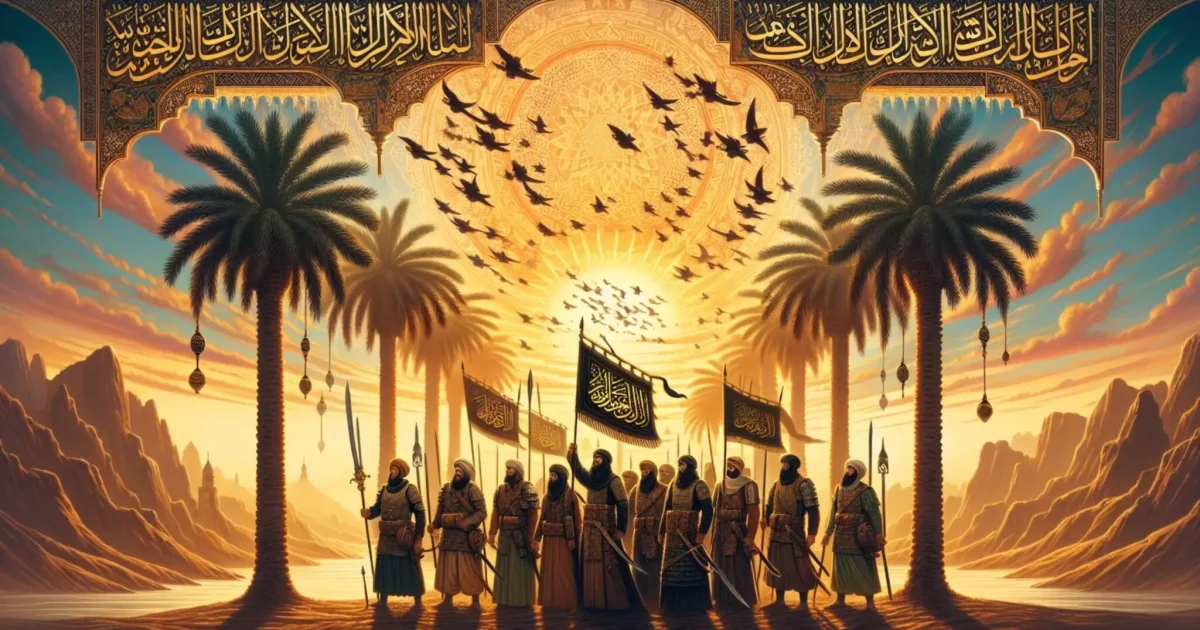
Key Battles in Islamic History: Essential Lessons
Key Battles in Islamic History: Essential Lessons
The key battles in Islamic history shaped the destiny of the Muslim Ummah and carry timeless lessons. These encounters, from the deserts of Arabia to distant frontiers, were not mere conflicts but turning points that tested faith, strategy, and unity. Understanding their significance helps us appreciate the sacrifices of the early Muslims and the divine wisdom behind each event.
Table of Contents
- Introduction
- The Battle of Badr: A Turning Point
- The Battle of Uhud: Lessons in Obedience
- The Battle of Khandaq: Strategy and Unity
- Other Major Battles in Islamic History
- Practical Tips from These Battles
- Quran and Hadith References
- Frequently Asked Questions
- Conclusion
Introduction
Islamic history is rich with events that defined the Muslim community. Among them, the key battles in Islamic history stand out as milestones of faith and resilience. These battles were not only military engagements but also spiritual tests that revealed the strength of belief in Allah. For every Muslim, studying these events offers invaluable guidance for facing challenges today.
The Prophet Muhammad ﷺ led his companions through trials that forged a united Ummah. From the small but mighty army at Badr to the trench diggers at Khandaq, each battle teaches us about reliance on Allah, patience, and strategic planning. Let us explore these pivotal moments with respect and reflection.
The Battle of Badr: A Turning Point
The Battle of Badr, fought in 624 CE (2 AH), is the most famous among the key battles in Islamic history. It was the first major confrontation between the Muslims of Medina and the Quraysh of Mecca. Despite being outnumbered—313 Muslims against about 1,000 polytheists—the Muslims achieved a decisive victory through divine help.
Allah says in the Quran: “And Allah had certainly helped you at Badr when you were weak. So fear Allah; perhaps you will be grateful” (Quran 3:123). This battle established the Muslims as a formidable force and boosted their morale. It also demonstrated that victory comes from Allah, not numbers.
The significance of Badr extends beyond the battlefield. It marked the beginning of Islamic political and military strength. For those seeking to learn from the masjid as a center of community, Badr reminds us that faith-based unity can overcome any odds.
The Battle of Uhud: Lessons in Obedience
In 625 CE (3 AH), the Battle of Uhud tested the Muslims in a different way. Initially, the Muslims had the upper hand, but archers disobeyed the Prophet’s ﷺ orders to stay on a hill. This mistake turned victory into a painful setback, with 70 companions martyred, including Hamza ibn Abdul-Muttalib رضي الله عنه.
The Quran admonishes: “And Allah certainly made good His promise to you when you were killing them by His permission until you lost courage and disputed about the order and disobeyed after He showed you what you love” (Quran 3:152). This battle underscores the importance of obedience to leadership and steadfastness.
Uhud is a powerful lesson for Muslims today: even small lapses in discipline can have major consequences. It also highlights the mercy of Allah, as the Muslims learned and grew from this experience.
The Battle of Khandaq: Strategy and Unity
The Battle of the Trench (Khandaq) in 627 CE (5 AH) showcased the Prophet’s ﷺ strategic genius. Facing a confederation of tribes, the Muslims dug a trench around Medina—a novel tactic in Arabian warfare. After a siege that lasted weeks, the alliance dissolved due to internal discord and a divine wind.
Allah says: “O you who believe, remember the favor of Allah upon you when armies came to you and We sent upon them a wind and armies you did not see” (Quran 33:9). This battle taught the value of preparation, consultation, and trust in Allah. It also strengthened ties between the Muslims and their allies.
Today, the principles of Khandaq can be applied in community building and conflict resolution. For entrepreneurs, the lesson is to innovate and collaborate, much like the business community that thrives on shared goals.
Other Major Battles in Islamic History
Beyond Badr, Uhud, and Khandaq, several other key battles in Islamic history deserve mention:
- Battle of Hunayn (8 AH): A test of faith after the conquest of Mecca, where Muslims prevailed despite initial retreat.
- Battle of Tabuk (9 AH): A bloodless campaign that demonstrated Muslim resolve and expanded influence.
- Battle of Yarmouk (636 CE): A decisive victory against the Byzantines, opening Syria to Islam.
- Battle of Qadisiyyah (636 CE): A key battle against the Sassanid Empire, leading to the spread of Islam in Persia.
Each battle carries unique lessons about faith, strategy, and perseverance. They remind us that Islam’s growth was accompanied by sacrifice and divine support.
Practical Tips from These Battles
How can we apply the lessons of these battles today? Here are some actionable insights:
- Trust in Allah first: Like at Badr, rely on Allah while taking practical steps.
- Obey leadership: The Uhud lesson shows that discipline is crucial in any team.
- Plan strategically: Use innovative methods, as the trench at Khandaq.
- Stay united: Division weakens, while unity brings strength.
- Learn from setbacks: Every failure is a chance to improve.
These principles are timeless and can be implemented in personal life, work, and community efforts.
Quran and Hadith References
The Quran and authentic Hadith provide rich details about these battles. For instance, regarding Badr, the Quran says: “There has already been a sign for you in the two armies that met – one fighting in the cause of Allah and another of disbelievers” (Quran 3:13). Read more on Quran.com.
The Prophet ﷺ said: “The best of you are those who learn the Quran and teach it” (Sahih al-Bukhari 5027). View on Sunnah.com. For deeper understanding of battle ethics, consult IslamQA.
These references ensure our study is grounded in authentic sources.
Frequently Asked Questions
What is the most important battle in Islamic history?
The Battle of Badr is often considered the most important because it was the first major victory and a turning point for the Muslim community.
Why did the Muslims lose the Battle of Uhud?
The Muslims lost because some archers disobeyed the Prophet’s ﷺ orders to stay on a hill, leaving the rear exposed to a counterattack.
What was the strategy in the Battle of Khandaq?
The Muslims dug a trench around Medina to prevent the allied tribes from entering, a tactic never used before in Arabia.
How many battles did Prophet Muhammad ﷺ participate in?
The Prophet ﷺ participated in about 27 military expeditions, with actual fighting in 9 battles, including Badr, Uhud, and Khandaq.
What lessons can Muslims learn from these battles today?
Lessons include reliance on Allah, obedience to leadership, strategic planning, unity, and patience in adversity.
Conclusion
The key battles in Islamic history are not just stories of the past—they are living lessons for every Muslim. From the miraculous victory at Badr to the strategic trench at Khandaq, each event teaches us about faith, discipline, and divine support. By studying these battles, we strengthen our connection to our heritage and draw inspiration for modern challenges.
May Allah grant us the wisdom to learn from these events and apply their teachings. Let us remember the sacrifices of the Prophet ﷺ and his companions, and strive to embody their spirit of resilience and unity. For more insights on Islamic history, visit masjid resources and explore how these lessons can enrich your life.
Still have questions?
Sofia can answer follow-up questions on this topic, point you to a mosque near you, or help with anything else on Masjid4All.
Ask Sofia about this