
Lessons from the Prophets: Inspiring Stories of Faith
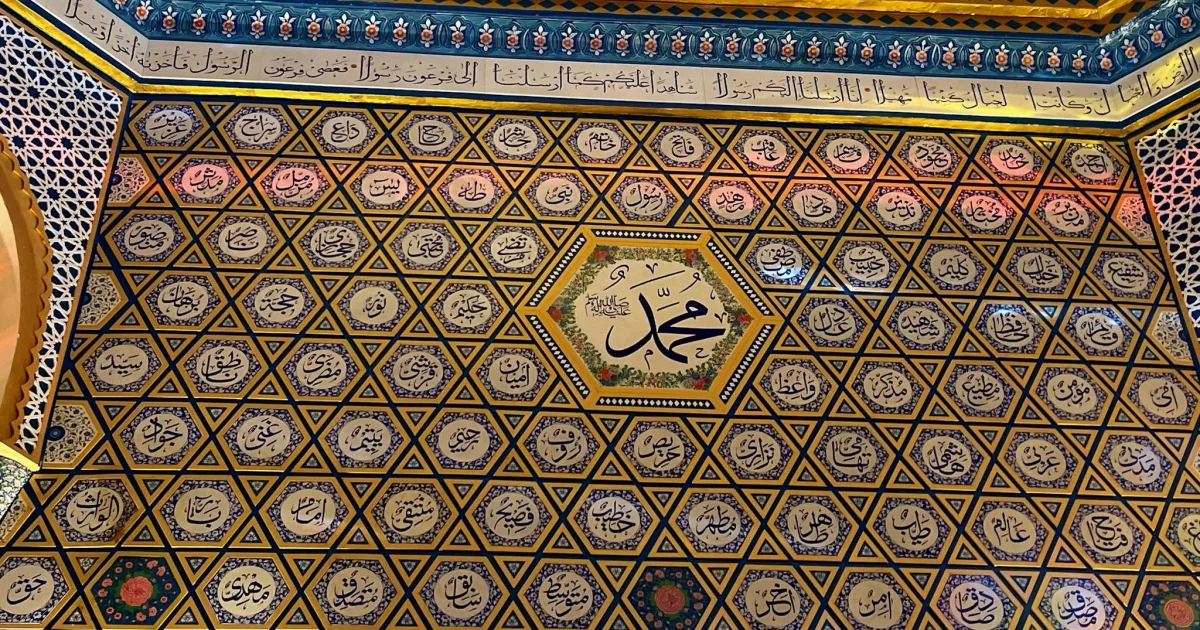
Explore timeless lessons from the prophets that strengthen faith and character. These stories, revealed in the Quran and authentic Hadith, offer guidance for every Muslim seeking spiritual growth and moral excellence.
Table of Contents
- Introduction
- Why Prophets Matter in Islam
- The Patience of Prophet Ayyub (AS)
- The Trust of Prophet Ibrahim (AS)
- The Forgiveness of Prophet Yusuf (AS)
- Practical Tips to Apply These Lessons
- Quran and Hadith References
- Frequently Asked Questions
- Conclusion
Introduction
The lives of the prophets are filled with profound wisdom and divine guidance. By studying their experiences, we uncover lessons from the prophets that help us navigate trials, strengthen our faith, and build noble character. Every story carries a unique message from Allah, designed to inspire and educate believers across generations.
Why Prophets Matter in Islam
Prophets were chosen by Allah to guide humanity toward truth and righteousness. Their stories are not just historical accounts but living lessons. Allah says in the Quran: "Indeed, in their stories there is a lesson for people of understanding" (Quran 12:111).
These narratives teach us about patience, gratitude, forgiveness, and unwavering trust in Allah. They remind us that no difficulty is insurmountable with faith. For more Islamic resources, visit Masjid4All - Masjid.
The Patience of Prophet Ayyub (AS)
Prophet Ayyub (AS) is known for his extraordinary patience during severe illness and loss. Despite losing his health, wealth, and children, he never complained. Instead, he turned to Allah with humility. His story teaches us that true patience is not passive but active trust in Allah's wisdom.
Prophet Ayyub's dua is recorded in the Quran: "Indeed, adversity has touched me, and You are the Most Merciful of the merciful" (Quran 21:83). This lesson from the prophets encourages us to remain steadfast during hardships.
The Trust of Prophet Ibrahim (AS)
Prophet Ibrahim (AS) demonstrated complete submission to Allah's commands. When he was commanded to leave his wife Hajar and son Ismail in the barren valley of Makkah, he obeyed without hesitation. His trust in Allah's provision is a powerful example for all believers.
Allah honored this trust by establishing the sacred well of Zamzam and the foundation of the Kaaba. This story inspires us to rely on Allah even when circumstances seem impossible. Learn more about Islamic history at Masjid4All - Business.
The Forgiveness of Prophet Yusuf (AS)
Prophet Yusuf (AS) faced betrayal by his own brothers, slavery, and false imprisonment. Yet, when he gained power in Egypt, he forgave them completely. He said: "No blame will there be upon you today. May Allah forgive you; and He is the most merciful of the merciful" (Quran 12:92).
This lesson from the prophets teaches us the power of forgiveness and the importance of letting go of grudges. It elevates our character and brings peace to our hearts.
Practical Tips to Apply These Lessons
- Practice patience daily: When faced with minor frustrations, remember Prophet Ayyub (AS) and make dua for strength.
- Trust Allah's plan: In moments of uncertainty, repeat the dua of Prophet Ibrahim (AS): "Our Lord, make us submissive to You" (Quran 2:128).
- Forgive others: If someone hurts you, recall Prophet Yusuf (AS) and choose forgiveness over revenge.
- Read Quranic stories regularly: Dedicate time each week to study the lives of the prophets for ongoing inspiration.
- Share these lessons with family: Teaching others reinforces your own understanding and spreads goodness.
Quran and Hadith References
The Quran is the primary source for stories of the prophets. Key verses include: 12:111, 21:83, 12:92, and 2:128.
The Prophet Muhammad ﷺ said: "The prophets are paternal brothers; their mothers are different, but their religion is one" (Sahih Bukhari 3469). This highlights the unity of their message.
For further authentic guidance, visit IslamQA.
Frequently Asked Questions
What are the main lessons from the prophets?
The main lessons from the prophets include patience, trust in Allah, forgiveness, gratitude, and perseverance in the face of trials. Each prophet's story emphasizes a unique virtue that strengthens faith and character.
How can I apply prophetic lessons in my daily life?
You can apply these lessons by practicing patience during difficulties, trusting Allah's plan, forgiving others, and regularly reading the Quran. Start with small steps, such as making dua in the morning and reflecting on one prophetic story each week.
Are all prophet stories mentioned in the Quran?
Yes, the Quran contains stories of many prophets, though not all details are provided. Authentic Hadith complement these narratives. It is recommended to rely on authentic sources like Quran.com and Sunnah.com.
Why is Prophet Muhammad ﷺ considered the final prophet?
Prophet Muhammad ﷺ is the seal of the prophets, as stated in the Quran: "Muhammad is not the father of any of your men, but he is the Messenger of Allah and the last of the prophets" (Quran 33:40). His message completes and confirms previous revelations.
Conclusion
The stories of the prophets are a divine gift, filled with lessons from the prophets that illuminate our path toward Allah. By reflecting on their lives, we gain strength, wisdom, and a deeper connection to our Creator. Let us strive to embody their noble qualities and share these timeless teachings with others.
May Allah grant us the ability to learn from these stories and apply them in our lives. For more Islamic content, explore Masjid4All and deepen your faith journey.
