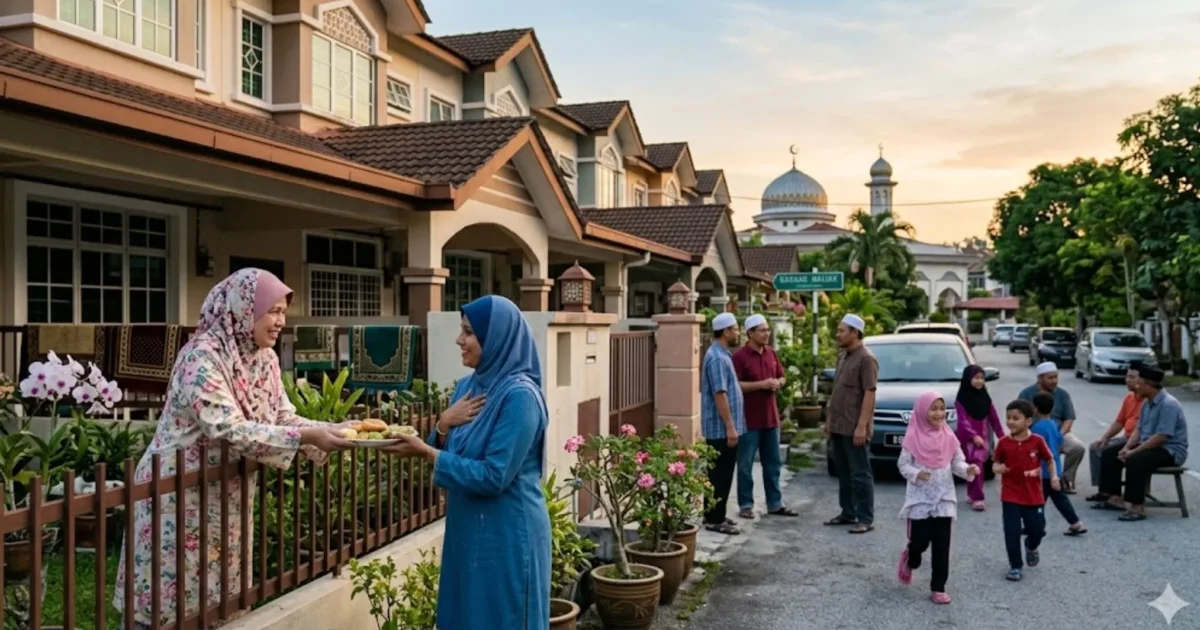
Living Peacefully with Neighbors: A Complete Islamic Guide
Living Peacefully with Neighbors: A Complete Islamic Guide
Living peacefully with neighbors is a cornerstone of Islamic teachings. The Prophet Muhammad ﷺ emphasized the rights of neighbors so strongly that companions thought neighbors would inherit from each other. This article explores authentic Islamic guidance on building strong, respectful relationships with neighbors of all backgrounds.
Table of Contents
- The Importance of Neighbors in Islam
- Quranic Guidance on Neighborly Relations
- Prophetic Teachings on Living Peacefully with Neighbors
- Practical Tips for Building Neighborly Bonds
- Overcoming Challenges with Neighbors
- Frequently Asked Questions
- Conclusion
The Importance of Neighbors in Islam
In Islam, neighbors hold a special status. The Quran and Sunnah repeatedly highlight their rights. The Prophet ﷺ said: “Gabriel kept advising me about the neighbor until I thought he would make him an heir” (Sahih al-Bukhari, Sunnah.com). This shows how crucial it is to maintain harmony with those living near us.
Living peacefully with neighbors is not just a social courtesy; it is an act of worship. When we treat our neighbors kindly, we fulfill a divine command and earn immense rewards. The stronger our community bonds, the more blessed our lives become.
Quranic Guidance on Neighborly Relations
Allah commands in the Quran: “Worship Allah and associate nothing with Him, and to parents do good, and to relatives, orphans, the needy, the near neighbor, the neighbor farther away, the companion at your side…” (Surah An-Nisa 4:36, Quran.com). This verse places neighbors right after family, highlighting their significance.
Allah distinguishes between “near neighbor” and “neighbor farther away,” showing that all neighbors have rights, regardless of proximity or faith. Living peacefully with neighbors means extending kindness to everyone around us, Muslim and non-Muslim alike.
Prophetic Teachings on Living Peacefully with Neighbors
The Prophet Muhammad ﷺ set the perfect example. He said: “Whoever believes in Allah and the Last Day, let him be good to his neighbor” (Sahih Muslim, Sunnah.com). This hadith links faith itself with neighborly conduct.
Key teachings include:
- Sharing food: The Prophet ﷺ said: “O Muslim women, do not consider any gift too small to give to your neighbor, even if it is a hoof of a sheep” (Bukhari, Sunnah.com).
- Avoiding harm: He ﷺ said: “By Allah, he does not believe! By Allah, he does not believe!” When asked who, he said: “The one whose neighbor is not safe from his harm” (Bukhari).
- Visiting when sick: The Prophet ﷺ encouraged visiting neighbors in illness and supporting them in hardship.
These teachings make it clear that living peacefully with neighbors is an essential part of faith. Our actions should reflect care, respect, and generosity.
Practical Tips for Building Neighborly Bonds
Here are actionable ways to foster harmony:
1. Greet Your Neighbors Warmly
A simple “Assalamu Alaikum” or smile can break barriers. Greeting everyone, regardless of their faith, shows respect and opens doors for friendship. This is a small step toward living peacefully with neighbors.
2. Share Food and Gifts
Giving a plate of food or a small gift strengthens bonds. The Prophet ﷺ encouraged this, even if the gift is modest. It creates mutual love and care.
3. Be Considerate of Noise and Privacy
Avoid loud music, late-night activities, or blocking driveways. Respect your neighbor’s space and peace. This is a basic right in Islam.
4. Offer Help in Times of Need
If a neighbor is sick, elderly, or facing difficulty, offer assistance. Collect mail, bring groceries, or simply check on them. This reflects the Islamic spirit of community.
5. Resolve Conflicts Gently
If disagreements arise, address them with patience and kindness. The Quran says: “Repel evil with that which is better” (41:34). For more guidance on community relations, visit Masjid4All – Masjid.
These small acts can transform your neighborhood into a peaceful, supportive environment. For businesses looking to foster community ties, check Masjid4All – Business.
Overcoming Challenges with Neighbors
Even with the best intentions, conflicts can arise. Islam provides a framework for resolution:
- Patience: The Prophet ﷺ endured harm from neighbors and responded with kindness.
- Forgiveness: Forgive minor offenses. Allah loves those who forgive.
- Seek mediation: If needed, involve a trusted third party. Islam encourages reconciliation.
Remember, living peacefully with neighbors is a long-term commitment. It requires effort, but the rewards are immense both in this world and the next. For more detailed rulings, consult IslamQA.
Frequently Asked Questions
What are the rights of neighbors in Islam?
Neighbors have rights including greetings, sharing food, avoiding harm, helping in need, and visiting when sick. These apply to all neighbors, Muslim or not.
How can I be a good neighbor as a Muslim?
Be kind, considerate, and helpful. Smile, share food, respect privacy, and resolve conflicts peacefully. These actions reflect true Islamic character.
Does Islam require me to befriend non-Muslim neighbors?
Islam encourages kind treatment and good relations with all neighbors, regardless of faith. You can be friendly and cooperative while maintaining your own beliefs.
What should I do if my neighbor is rude or harmful?
First, be patient and forgiving. If the harm continues, gently address the issue. Seek mediation if necessary. Islam advises avoiding retaliation and seeking peaceful solutions.
Conclusion
Living peacefully with neighbors is a beautiful Sunnah that strengthens communities and pleases Allah. By following Quranic and Prophetic guidance, we can create neighborhoods filled with love, respect, and mutual care. Start today with a smile, a kind word, or a small gift. Your efforts will bring barakah into your life and the lives of those around you.
May Allah grant us all the ability to be good neighbors and to live in harmony with everyone. Ameen.
Still have questions?
Sofia can answer follow-up questions on this topic, point you to a mosque near you, or help with anything else on Masjid4All.
Ask Sofia about this