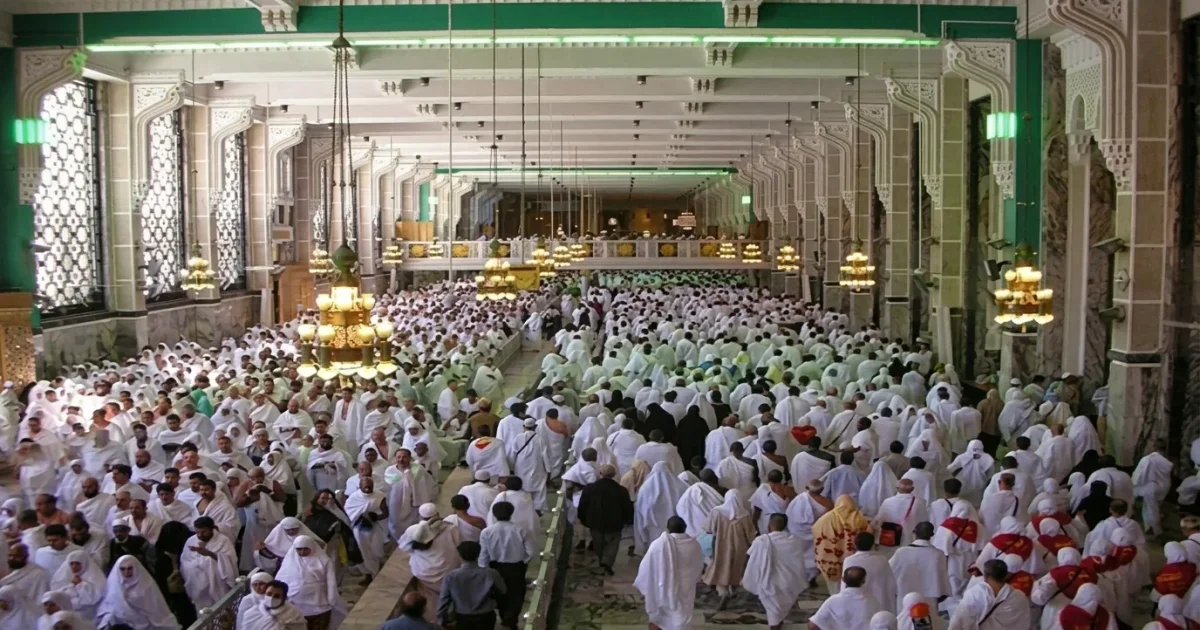
Performing Tawaf and Sa’i Correctly: A Complete Guide
Performing Tawaf and Sa’i Correctly: A Complete Guide
Performing Tawaf and Sa’i correctly is essential for every Muslim undertaking Hajj or Umrah. These two central rituals symbolize complete submission to Allah and commemorate the devotion of Prophet Ibrahim (عليه السلام) and Hajar (رضي الله عنها). In this comprehensive guide, you will learn the authentic steps, spiritual meanings, and practical tips to ensure your worship is accepted. Whether you are a first-time pilgrim or seeking to perfect your rites, this article provides the clarity you need.
Table of Contents
- What is Tawaf?
- Steps of Tawaf
- What is Sa’i?
- Steps of Sa’i
- Common Mistakes to Avoid
- Spiritual Significance of Tawaf and Sa’i
- Practical Tips for a Smooth Experience
- Frequently Asked Questions
- Conclusion
What is Tawaf?
Tawaf is the act of circling the Holy Kaaba seven times in a counterclockwise direction. It is a fundamental pillar of Hajj and Umrah. The word Tawaf comes from the Arabic root meaning “to go around,” signifying the believer’s devotion to the One God. Allah says in the Quran: “Then let them complete their rites and fulfill their vows and circumambulate the ancient House.” (Quran 22:29).
Steps of Tawaf
1. Intention (Niyyah)
Begin with a sincere intention in your heart. You do not need to utter the intention aloud. Simply resolve to perform Tawaf for the sake of Allah.
2. Start at the Black Stone (Hajar al-Aswad)
Approach the Black Stone, raise your right hand, and say Bismillah, Allahu Akbar. If possible, touch or kiss the stone; otherwise, simply point towards it. This marks the beginning of each circuit.
3. Circumambulate the Kaaba
Walk counterclockwise around the Kaaba, keeping it on your left side. Complete seven full rounds. During Tawaf, men should perform Idtiba (uncovering the right shoulder) and Ramal (brisk walking) for the first three rounds. Recite any duas or dhikr, especially the supplication: Rabbana atina fid-dunya hasanatan wa fil-akhirati hasanatan waqina azaban-nar.
4. Pray Two Rak’ahs at Maqam Ibrahim
After completing seven circuits, pray two rak’ahs behind Maqam Ibrahim (Station of Ibrahim) if possible. Recite Surah Al-Fatiha and Surah Al-Kafirun in the first rak’ah, and Surah Al-Fatiha and Surah Al-Ikhlas in the second.
5. Drink Zamzam Water
After the prayer, drink Zamzam water to your fill. The Prophet ﷺ said: “The water of Zamzam is for whatever it is drunk for.” (Ibn Majah).
What is Sa’i?
Sa’i means to walk back and forth seven times between the hills of Safa and Marwa. This ritual commemorates the desperate search for water by Hajar (رضي الله عنها), the wife of Prophet Ibrahim (عليه السلام). Allah mentions this in the Quran: “Indeed, as-Safa and al-Marwah are among the symbols of Allah.” (Quran 2:158).
Steps of Sa’i
1. Begin at Safa
Climb the hill of Safa, face the Kaaba, raise your hands, and praise Allah. Recite the takbir three times and make heartfelt dua.
2. Walk Towards Marwa
Descend and walk towards Marwa. Between the two green markers, men should run briskly (this is called harwala). Women walk normally throughout. Recite: Rabbi ighfir warham wa tajawaz ‘amma ta’lam, innaka anta al-a’azz al-akram.
3. Reach Marwa
Upon reaching Marwa, climb the hill, face the Kaaba, and repeat the same supplication as at Safa. This counts as one lap. Repeat the process until you have completed seven laps (starting at Safa counts as one, ending at Marwa counts as seven).
4. After Sa’i
For Umrah, men shave or trim their hair, and women cut a fingertip-length of hair. For Hajj, the ritual is part of the overall rites.
Common Mistakes to Avoid
- Not having the correct intention: Ensure your intention is purely for Allah.
- Pushing or shoving: Maintain patience and avoid harming others.
- Rushing through the rituals: Take your time to recite duas with presence of heart.
- Missing the green markers in Sa’i: Running between them is Sunnah for men.
- Not maintaining wudu: Tawaf requires wudu; Sa’i does not, but it is better to be in a state of purity.
Spiritual Significance of Tawaf and Sa’i
These rituals are not mere physical movements. Tawaf symbolizes the unity of believers circling the House of Allah, reflecting the angels’ circumambulation of the Throne. Sa’i embodies trust in Allah and the strength of a mother’s faith. When you perform Tawaf and Sa’i correctly, you connect with the legacy of Ibrahim (عليه السلام) and Hajar (رضي الله عنها). The Prophet ﷺ said: “Perform Hajj and Umrah, for they remove poverty and sins just as the bellows remove impurities from iron.” (Bukhari).
Practical Tips for a Smooth Experience
- Go during less crowded times: Early morning or late evening are often quieter.
- Wear comfortable shoes: You will be walking several kilometers.
- Stay hydrated: Drink Zamzam water regularly.
- Keep your belongings secure: Use a small bag or waist pouch.
- Learn the duas beforehand: Write them down or use a reliable app.
- Stay close to your group: Especially if you are part of an organized tour.
For more resources on Islamic worship, visit Masjid4All to find local mosques, or explore Islamic businesses near you.
Frequently Asked Questions
Can I perform Tawaf and Sa’i without wudu?
Tawaf requires wudu (ablution) because it is like a prayer. Sa’i does not require wudu, but being in a state of purity is recommended.
What if I lose count during Tawaf or Sa’i?
If you are certain of the number, continue from there. If you are doubtful, base it on the lower number (e.g., if unsure between six and seven, assume six and complete one more).
Is it permissible to talk during Tawaf and Sa’i?
Yes, but it is better to engage in dhikr, dua, and Quran recitation. Avoid worldly talk that distracts from the spiritual atmosphere.
Can women perform Tawaf and Sa’i during menstruation?
Women in menses cannot perform Tawaf because it requires ritual purity. However, they can perform all other Hajj/Umrah rites except Tawaf. Sa’i can be done without wudu, so it is permissible.
What should I recite during Tawaf and Sa’i?
You can recite any Quranic verses, duas, or dhikr. Common supplications include: Rabbana atina fid-dunya hasanah and SubhanAllah walhamdulillah wa la ilaha illallah wa Allahu Akbar.
Conclusion
Performing Tawaf and Sa’i correctly is a deeply rewarding act of worship that brings you closer to Allah. By following the authentic steps outlined in this guide, you ensure your pilgrimage is valid and spiritually uplifting. Remember that these rituals are not just physical exercises but profound acts of devotion. May Allah accept your efforts and grant you a blessed journey. For further guidance, consult reliable scholars and resources like IslamQA. Plan your pilgrimage with sincerity, and may you return purified and forgiven.
Still have questions?
Sofia can answer follow-up questions on this topic, point you to a mosque near you, or help with anything else on Masjid4All.
Ask Sofia about this