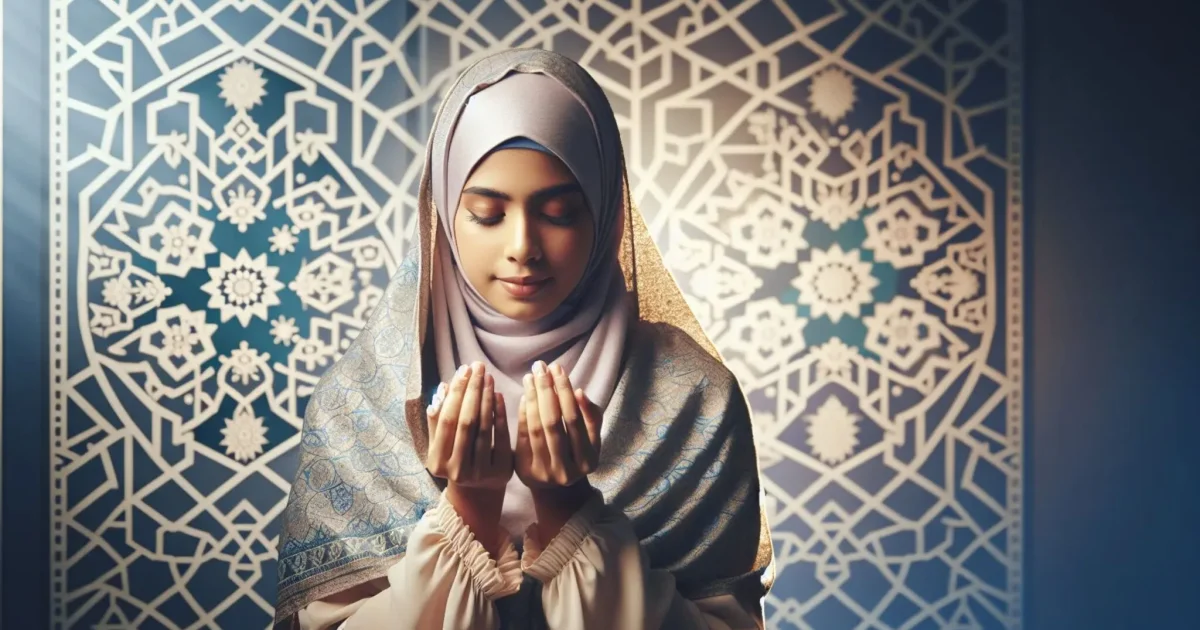
Powerful Duas for Healing and Well-being
Powerful Duas for Healing and Well-being
Duas for healing and well-being are a profound source of spiritual support for Muslims facing physical or emotional challenges. These authentic supplications, rooted in the Quran and Sunnah, bring comfort, hope, and divine mercy.
Table of Contents
- The Importance of Dua in Healing
- Quranic Verses for Healing
- Prophetic Duas for Physical Health
- Duas for Emotional Peace and Well-being
- Practical Tips for Daily Supplication
- Frequently Asked Questions
- Conclusion
The Importance of Dua in Healing
In Islam, dua is a powerful act of worship that connects the believer directly to Allah. It is not just a request but a recognition of our dependence on the Creator. When seeking healing, dua becomes a spiritual medicine that complements physical treatment.
Allah says in the Quran: “And when My servants ask you concerning Me, indeed I am near. I respond to the invocation of the supplicant when he calls upon Me” (Quran 2:186, read more). This verse assures us that Allah listens and responds.
Prophet Muhammad ﷺ encouraged believers to make dua in times of sickness and distress. He said, “Dua is the weapon of the believer” (Al-Hakim). For those seeking spiritual support, reciting duas for healing and well-being can transform fear into faith.
Remember, healing comes from Allah alone, but we are commanded to take means—both medical and spiritual. For community support, visit local masjids where you can join congregational prayers and duas.
Quranic Verses for Healing
The Quran itself is a source of healing. Allah declares: “And We send down of the Quran that which is healing and mercy for the believers” (Quran 17:82, read more).
Surah Al-Fatiha as a Cure
Surah Al-Fatiha is known as the “Mother of the Book” and is a powerful healing dua. The Prophet ﷺ said it is a ruqyah (spiritual healing) for any ailment (Sahih Bukhari, hadith). Recite it 7 times over water or directly on the sick person.
Ayat-ul-Kursi for Protection
Ayat-ul-Kursi (Quran 2:255) is another potent verse for well-being. It protects from harm and brings peace. Recite it after every prayer and before sleep.
These verses are among the most effective duas for healing and well-being that every Muslim should memorize.
Prophetic Duas for Physical Health
The Prophet Muhammad ﷺ taught specific supplications for healing. These authentic duas carry immense barakah.
Dua for the Sick
When visiting the sick, the Prophet ﷺ would say: “O Allah, Lord of mankind, remove the harm and heal him, for You are the Healer. There is no healing except Your healing, a healing that leaves no disease behind” (Sahih Muslim, hadith).
Dua for Protection from Illness
He ﷺ also taught: “O Allah, I seek refuge in You from leprosy, madness, and from evil diseases” (Abu Dawud). Recite this morning and evening.
These duas for healing and well-being are simple yet profound. For business owners seeking balance, Islamic business guidance can help integrate faith into daily work.
Duas for Emotional Peace and Well-being
Emotional healing is equally important. The Quran and Sunnah provide comfort for anxiety, sadness, and stress.
Dua for Anxiety and Sorrow
The Prophet ﷺ taught: “O Allah, I seek refuge in You from anxiety and sorrow” (Sahih Bukhari). Recite this when feeling overwhelmed.
Dua for Inner Peace
Recite: “Allah is sufficient for us, and He is the best Disposer of affairs” (Quran 3:173). This ayat brings calmness to the heart.
For deeper emotional healing, combine these duas with patience. As Allah says: “Indeed, Allah is with the patient” (Quran 2:153, read more).
Practical Tips for Daily Supplication
- Make dua with sincerity and full conviction that Allah will respond.
- Raise your hands and face the Qibla when supplicating.
- Use the names of Allah like Al-Shafi (The Healer) and Al-Rahman (The Most Merciful).
- Recite duas for healing and well-being three times in the morning and evening.
- Blow over yourself after reciting Quranic verses (ruqyah).
- Combine with medical treatment—Islam encourages both.
- Be consistent and patient; healing may take time.
For a comprehensive list of daily duas, consult reliable sources like IslamQA.
Frequently Asked Questions
Can dua alone cure illness?
Dua is a powerful spiritual tool, but Islam encourages taking medical treatment as well. The Prophet ﷺ said, “Make use of medical treatment, for Allah has not made a disease without appointing a remedy for it” (Sahih Bukhari). Combine both for best results.
What is the best dua for a sick person?
The most authentic dua is: “O Allah, Lord of mankind, remove the harm and heal him, for You are the Healer. There is no healing except Your healing, a healing that leaves no disease behind.” Recite it while placing your hand on the sick area.
How often should I recite healing duas?
It is recommended to recite them three times in the morning and evening, and whenever you feel the need. Consistency increases barakah and strengthens your connection with Allah.
Are there specific verses for emotional healing?
Yes, Surah Al-Inshirah (94:1-8) is excellent for relief from distress. Also recite Ayat-ul-Kursi and Surah Al-Fatiha regularly. These verses bring peace to the heart and mind.
Can I make dua for someone else’s healing?
Absolutely. Making dua for others is highly rewarded. The Prophet ﷺ said, “The dua of a Muslim for his brother in his absence is readily answered” (Sahih Muslim). You can recite the same healing duas on behalf of others.
Conclusion
Duas for healing and well-being are a beautiful gift from Allah. They remind us that true healing comes from Him alone. By reciting these authentic supplications, we strengthen our faith, find peace, and invite divine mercy into our lives.
Make these duas a daily habit. Whether you are facing physical illness or emotional struggles, turn to Allah with a sincere heart. He is As-Sami’ (the All-Hearing) and Al-Mujib (the Responder).
May Allah grant you complete healing and well-being, and may He make these duas for healing and well-being a source of comfort and cure. Ameen.
Still have questions?
Sofia can answer follow-up questions on this topic, point you to a mosque near you, or help with anything else on Masjid4All.
Ask Sofia about this