Sunnah Habits for Everyday Life: Daily Practices for Barakah
Sunnah Habits for Everyday Life: Simple Daily Practices for Barakah
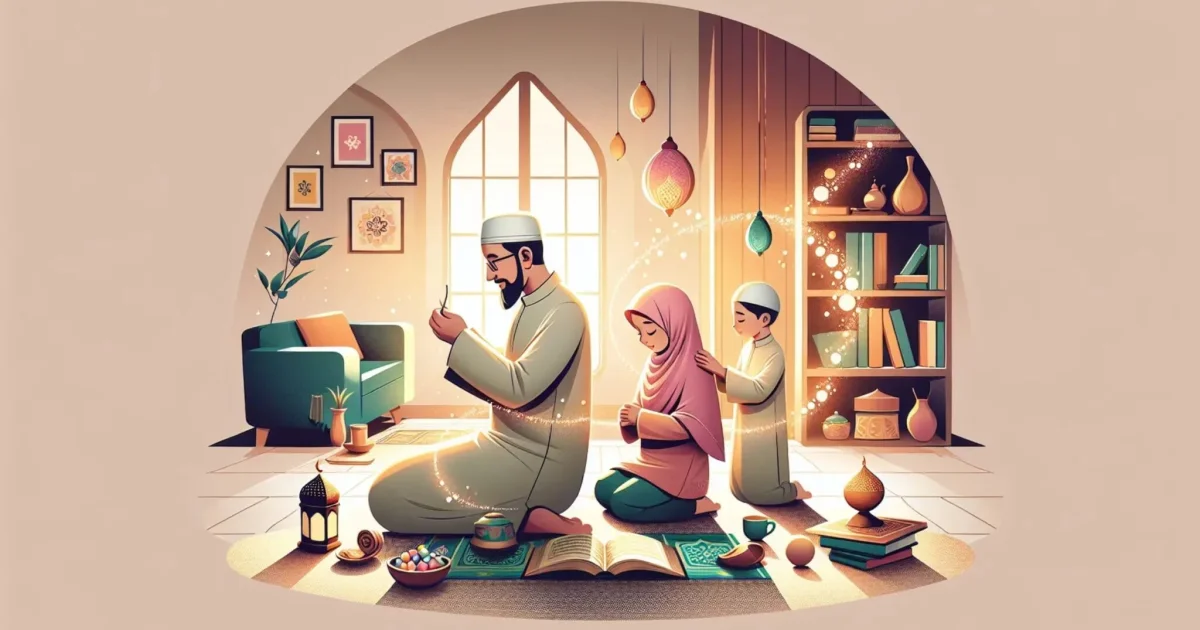
Sunnah habits for everyday life are simple yet powerful practices from the Prophet Muhammad ﷺ that can transform your daily routine into a source of immense barakah. By following these authentic teachings, you not only draw closer to Allah but also experience peace, productivity, and spiritual growth. This guide explores essential Sunnah actions you can easily incorporate into your day, from waking up to sleeping, and how they bring lasting blessings.
Table of Contents
- What Are Sunnah Habits for Everyday Life?
- Morning Sunnah Practices to Start Your Day
- Sunnah Habits for Eating and Drinking
- Daily Worship and Dhikr Sunnah
- Sunnah in Social Interactions
- Sunnah Habits for Sleeping
- Frequently Asked Questions
- Conclusion
What Are Sunnah Habits for Everyday Life?
The Sunnah refers to the teachings, actions, and approvals of Prophet Muhammad ﷺ. These habits are not just religious rituals but a complete lifestyle guide. Adopting Sunnah habits for everyday life helps you earn Allah’s pleasure, increase blessings (barakah), and improve your overall well-being. Even small actions, like saying Bismillah before eating or smiling at a brother, become acts of worship when done with intention.
For more on the beauty of Islamic community spaces, visit Masjid4All Masjid to explore how mosques bring people together in worship.
Morning Sunnah Practices to Start Your Day
Starting your day with the Sunnah sets a positive and blessed tone. The Prophet ﷺ taught specific morning habits that bring energy and protection.
Waking Up with Dhikr
Upon waking, say: “Alhamdulillahilladhi ahyana ba’da ma amatana wa ilayhin nushur” (Praise be to Allah who gave us life after death and to Him is the resurrection). This simple phrase reminds you of Allah’s mercy.
Using the Miswak
The Prophet ﷺ used the miswak (a teeth-cleaning twig) upon waking. It purifies the mouth and pleases Allah. Try keeping a miswak near your bed for easy access.
Performing Fajr Prayer
Praying Fajr on time is a key Sunnah habit for everyday life. It brings light to your entire day and is a shield against hypocrisy. The reward is greater than the whole world and everything in it.
Morning Adhkar
Recite the morning adhkar (remembrances) for protection and blessings. These include Ayat-ul-Kursi, Surah Al-Ikhlas, Al-Falaq, and An-Nas. They safeguard you until evening.
Sunnah Habits for Eating and Drinking
Mealtimes are opportunities for worship through simple Sunnah practices.
Saying Bismillah Before Eating
Always begin with “Bismillah” (In the name of Allah). This invites barakah and prevents harm. If you forget, say “Bismillahi awwalahu wa akhirahu.”
Eating with the Right Hand
The Prophet ﷺ always ate and drank with his right hand, as the left hand is for cleaning. This small habit aligns you with his blessed way.
Eating in Moderation
The Prophet ﷺ said: “The son of Adam fills no vessel worse than his stomach.” Fill one-third with food, one-third with drink, and leave one-third for air. This promotes health and gratitude.
Licking the Plate
Licking your fingers and the plate after eating is a Sunnah that ensures no food is wasted and brings barakah to your meal.
Daily Worship and Dhikr Sunnah
Beyond obligatory prayers, the Sunnah includes voluntary acts that elevate your rank.
Sunnah Prayers (Rawatib)
Praying 12 rak’ahs of Sunnah prayers daily (2 before Fajr, 4 before Dhuhr and 2 after, 2 after Maghrib, 2 after Isha) builds a house in Paradise. These are easy to integrate into your routine.
Daily Dhikr After Prayers
After each obligatory prayer, recite Subhanallah (33 times), Alhamdulillah (33 times), Allahu Akbar (34 times). This simple habit brings immense reward and forgiveness.
Reading Quran Daily
Even a few verses daily, as the Prophet ﷺ did, brings light to your heart. Aim for at least one page or a short Surah. For authentic Quranic verses, visit Quran.com.
Sunnah in Social Interactions
Your daily interactions can become worship through Sunnah etiquette.
Smiling at Others
The Prophet ﷺ said: “Your smile for your brother is charity.” A genuine smile costs nothing but earns you reward and strengthens bonds.
Saying Salam
Initiate greetings with “Assalamu Alaikum” (Peace be upon you). This spreads love and unity among Muslims. It is a Sunnah to greet everyone you meet.
Being Generous and Helpful
Even a kind word or helping a neighbor is Sunnah. The Prophet ﷺ was the most generous, especially in Ramadan. For more on community support, check Masjid4All Business for ethical business practices.
Sunnah Habits for Sleeping
End your day with the Prophet’s ﷺ bedtime routine for peaceful sleep and protection.
Sleeping on the Right Side
The Prophet ﷺ slept on his right side facing the Qibla. This position is healthy and follows his example.
Reciting Bedtime Adhkar
Before sleep, recite Ayat-ul-Kursi, Surah Al-Ikhlas, Al-Falaq, and An-Nas, then blow on your hands and wipe over your body. Also say Subhanallah (33), Alhamdulillah (33), Allahu Akbar (34).
Making Wudu Before Sleep
Performing wudu before sleeping is a Sunnah that keeps you in a state of purity and invites angels to pray for you throughout the night.
Frequently Asked Questions
What are the most important Sunnah habits for everyday life?
The most important include waking up with dhikr, using miswak, praying Fajr, saying Bismillah before eating, eating with the right hand, reciting morning and evening adhkar, and sleeping on the right side. These cover your entire day with barakah.
How can I start incorporating Sunnah habits into my routine?
Start small. Choose one or two habits, like saying Bismillah before meals or reciting morning adhkar. Gradually add more as they become natural. Consistency is key, even with small actions.
Do Sunnah habits bring barakah only in this life?
No, they bring barakah in both this life and the Hereafter. They increase blessings in your time, health, wealth, and relationships, and earn you immense reward from Allah.
Are there any authentic Hadith sources for these practices?
Yes, all these practices are from authentic Hadith collections like Sahih Bukhari and Sahih Muslim. For verified Hadith, visit Sunnah.com. For Islamic rulings, see IslamQA.info.
Can Sunnah habits be practiced by non-Arabic speakers?
Absolutely. While Arabic is preferred for dhikr, you can learn the meanings and recite in Arabic with transliteration. The intention matters most, and Allah understands all languages.
How do Sunnah habits benefit my mental health?
They provide structure, purpose, and connection with Allah. Dhikr reduces anxiety, gratitude increases happiness, and routines bring peace. The Prophet’s ﷺ way is a holistic path to well-being.
Conclusion
Incorporating Sunnah habits for everyday life into your routine is a beautiful journey of faith and simplicity. These practices are not burdensome but light, full of barakah, and deeply rewarding. Start today with one habit, and let the Prophet’s ﷺ example guide you to a life of peace, blessings, and closeness to Allah. May these daily Sunnah habits transform your ordinary moments into extraordinary worship.
For more resources on Islamic lifestyle, visit Masjid4All and explore our community features.
Still have questions?
Sofia can answer follow-up questions on this topic, point you to a mosque near you, or help with anything else on Masjid4All.
Ask Sofia about this