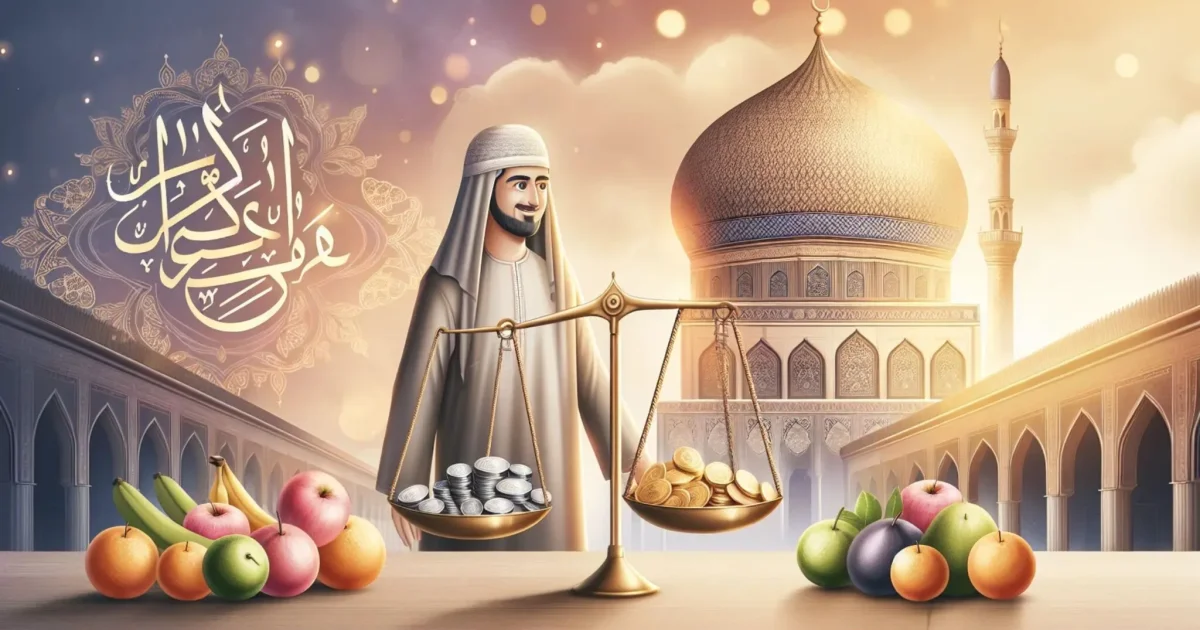
Essential Sunnah Principles for Business Ethics in Islam
Essential Sunnah Principles for Business Ethics in Islam
Sunnah principles for business ethics provide a timeless framework for honest and fair trade. In Islam, commerce is not just about profit—it is a form of worship when conducted with integrity. The Prophet Muhammad ﷺ set the highest example of ethical dealings, emphasizing truthfulness, transparency, and justice in every transaction. This article explores key ethical principles from the Sunnah that every Muslim entrepreneur and trader should follow.
Table of Contents
- The Importance of Business Ethics in Islam
- Honesty in Trade: A Core Sunnah Principle
- Fairness and Justice in Business Dealings
- Transparency and Avoiding Deception
- Fulfilling Contracts and Trusts
- Practical Tips for Ethical Business Today
- Frequently Asked Questions
- Conclusion
The Importance of Business Ethics in Islam
Islam places immense emphasis on ethical conduct in all aspects of life, including business. The Quran and Sunnah provide clear guidelines to ensure that trade is conducted with honesty and fairness. Allah says in the Quran: “Woe to those who give less [than due]…” (Quran 83:1-3). This verse warns against cheating in weights and measures, highlighting the gravity of dishonesty in trade.
Following the Sunnah principles for business ethics not only brings barakah (blessings) but also builds trust with customers and society. The Prophet ﷺ said: “The truthful and honest merchant is with the Prophets, the truthful, and the martyrs” (Sunan al-Tirmidhi, Hadith 1209). This profound hadith elevates ethical business to a spiritual rank.
Honesty in Trade: A Core Sunnah Principle
Honesty is the cornerstone of Islamic business ethics. The Prophet ﷺ was known as Al-Amin (the trustworthy) even before his prophethood. He ﷺ taught that lying and deception in trade nullify blessings. In a famous hadith, he said: “If they [buyer and seller] speak the truth and make everything clear, their transaction will be blessed. But if they lie and conceal, the blessing will be erased” (Sahih al-Bukhari, Hadith 2079).
This principle applies to all aspects of business: product quality, pricing, advertising, and negotiations. A Muslim trader must never exaggerate benefits or hide defects. The Sunnah principles for business ethics demand full disclosure and sincerity.
Fairness and Justice in Business Dealings
Fairness is another vital element of the Sunnah. The Quran commands: “O you who have believed, do not consume one another’s wealth unjustly but only [in lawful] business by mutual consent” (Quran 4:29). This verse prohibits exploitation and coercion.
The Prophet ﷺ forbade practices like najash (artificially inflating prices) and gharar (excessive uncertainty). He ﷺ said: “Do not go out to meet the caravans [to intercept traders], and do not outbid one another [to raise prices]” (Sahih Muslim, Hadith 1513). These teachings protect both buyers and sellers from unfairness.
Moreover, the Sunnah encourages mercy and leniency in transactions. The Prophet ﷺ prayed for mercy upon “a man who is lenient when he sells, when he buys, and when he demands payment” (Sahih al-Bukhari, Hadith 2076).
Transparency and Avoiding Deception
Transparency is a key requirement in Islamic trade. The Prophet ﷺ prohibited selling items with hidden defects. He said: “It is not permissible to sell anything without making its defects clear” (Sunan Ibn Majah, Hadith 2243). This hadith underscores the importance of full disclosure.
In modern business, this translates to clear product descriptions, honest advertising, and no hidden fees. The Sunnah principles for business ethics reject any form of fraud, whether in e-commerce, real estate, or services. As Allah says: “And do not consume one another’s wealth unjustly or send it [in bribery] to the rulers…” (Quran 2:188).
Fulfilling Contracts and Trusts
Islam holds the fulfillment of contracts as a sacred duty. The Quran states: “O you who have believed, fulfill [all] contracts” (Quran 5:1). The Prophet ﷺ emphasized that Muslims must honor their promises, even with non-Muslims.
In business, this means delivering goods on time, paying employees fairly, and respecting agreements. The Sunnah principles for business ethics also include returning trusts and avoiding delays in payments. The Prophet ﷺ said: “Give the worker his wages before his sweat dries” (Sunan Ibn Majah, Hadith 2443).
Practical Tips for Ethical Business Today
Applying the Sunnah principles for business ethics in modern times is both rewarding and challenging. Here are actionable tips:
- Always be truthful in advertising and product descriptions.
- Disclose all defects or limitations honestly.
- Avoid interest-based transactions; seek halal financing.
- Treat employees and customers with respect and fairness.
- Implement transparent pricing—no hidden charges.
- Fulfill every contract and promise promptly.
- Give charity (sadaqah) from your profits to purify your wealth.
- Seek knowledge about Islamic finance and attend local masjid programs on business ethics.
For more resources on ethical trade, visit Masjid4All Business.
Frequently Asked Questions
What are the key Sunnah principles for business ethics?
The key principles include honesty, fairness, transparency, fulfilling contracts, avoiding deception, and treating others with mercy. These are derived from the Quran and authentic hadith.
Is it permissible to make a profit in Islam?
Yes, profit is halal as long as it is earned through honest and fair trade. The Prophet ﷺ himself was a trader. However, excessive profit or exploitation is discouraged.
How can I ensure my business follows Islamic ethics?
Start by learning the rulings of Muamalat (Islamic transactions). Avoid interest (riba), gambling (maysir), and uncertainty (gharar). Consult scholars and use resources like IslamQA for guidance.
What does the Quran say about cheating in business?
The Quran strongly condemns cheating, especially in weights and measures. Surah Al-Mutaffifin (83:1-3) warns of severe punishment for those who give less than due.
Can I sell products that are not entirely halal?
No, Muslims are prohibited from selling items that are haram, such as alcohol, pork, or anything harmful. The Prophet ﷺ said: “When Allah forbids a thing, He forbids its price” (Sunan Abi Dawud).
Conclusion
The Sunnah principles for business ethics offer a complete guide to conducting trade in a way that pleases Allah and benefits society. By embracing honesty, fairness, and transparency, Muslims can achieve both worldly success and eternal reward. Remember the hadith: “The best of people are those who are most beneficial to others” (Al-Mu’jam al-Awsat). Let your business be a source of goodness and barakah. Start today by reviewing your practices and aligning them with the beautiful teachings of the Prophet ﷺ.
Still have questions?
Sofia can answer follow-up questions on this topic, point you to a mosque near you, or help with anything else on Masjid4All.
Ask Sofia about this