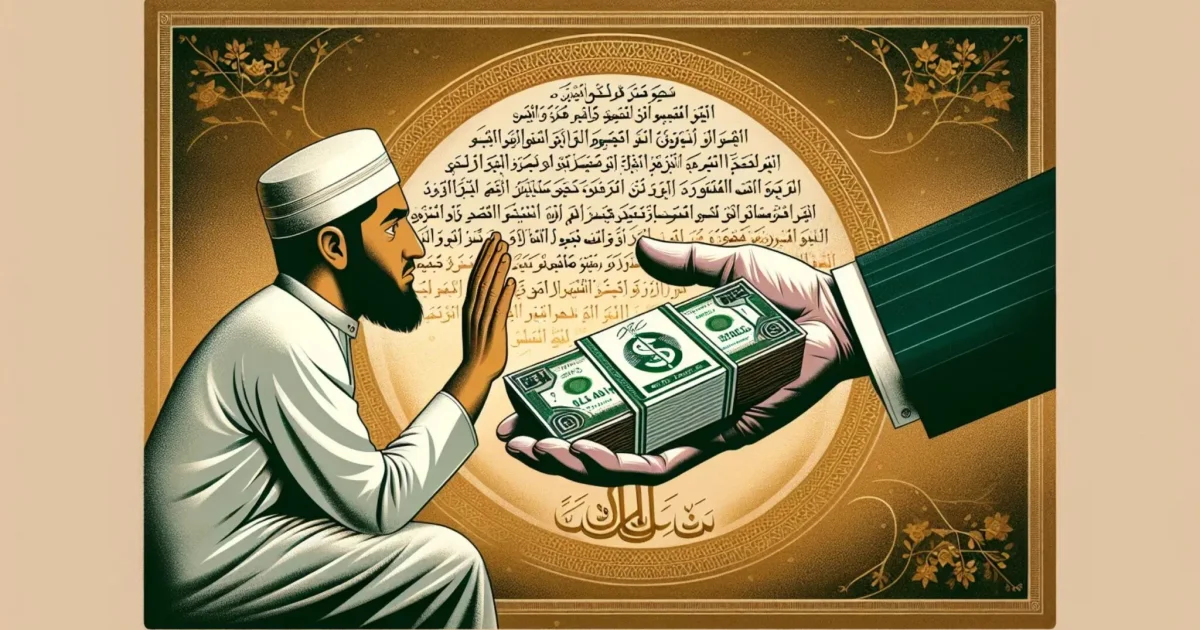
Understanding and Avoiding Riba: A Practical Guide
Understanding and Avoiding Riba: A Practical Guide
Avoiding riba is essential for every Muslim who wants to live a life of blessings and barakah. Riba, or interest, is strictly prohibited in Islam. Yet in today’s world, it is everywhere — from bank accounts to credit cards. This guide will help you understand why riba is forbidden and how you can avoid it in your daily financial dealings.
Table of Contents
- What is Riba?
- Why Riba is Prohibited
- Types of Riba
- Modern Examples of Riba
- Practical Steps for Avoiding Riba
- Halal Alternatives in Modern Finance
- Quran and Hadith on Riba
- Frequently Asked Questions
- Conclusion
What is Riba?
Riba is an Arabic word that means increase, growth, or addition. In Islamic law, it refers to any unjustified increase in a loan or sale transaction. The most common form is interest charged on loans. The Quran and Sunnah clearly forbid all forms of riba. Understanding this is the first step toward avoiding riba in your life.
Riba is not just about money. It represents a system that exploits the needy and creates inequality. Islam encourages fair trade and mutual benefit. Any transaction that gives one party an unfair advantage is considered haram.
Why Riba is Prohibited
Allah says in the Quran: “But Allah has permitted trade and has forbidden interest” (Quran, 2:275). This divine command is clear. Riba is prohibited for many reasons:
- Social justice: Riba makes the rich richer and the poor poorer.
- Spiritual harm: It removes barakah from wealth and life.
- Economic imbalance: It creates artificial wealth without real productivity.
- Exploitation: It takes advantage of those in need.
The Prophet Muhammad ﷺ said: “Allah has cursed the one who consumes riba, the one who pays it, the one who writes it, and the one who witnesses it” (Sahih Muslim, 1598). This shows how serious this sin is.
Types of Riba
There are two main types of riba in Islamic jurisprudence:
Riba Al-Nasi’ah (Interest on Loans)
This is the most common type. It is the extra amount paid over the principal when money is lent. For example, if you borrow $100 and must repay $110, the extra $10 is riba. This applies to all forms of interest-bearing loans, including credit cards, mortgages, and personal loans.
Riba Al-Fadl (Excess in Exchange)
This occurs when two similar items are exchanged in unequal amounts. For example, trading 1 kg of dates for 2 kg of dates of the same quality. The Prophet ﷺ said: “Gold for gold, silver for silver, wheat for wheat, barley for barley, dates for dates, salt for salt, like for like, equal for equal, hand to hand. If the commodities differ, then you may sell as you wish, provided that the exchange is hand to hand” (Sahih Muslim, 1587).
Modern Examples of Riba
Today, riba is embedded in many financial products. Here are common examples:
- Savings accounts that earn interest
- Credit cards with late fees and interest charges
- Conventional mortgages
- Student loans with interest
- Car loans
- Personal loans from banks
- Government bonds
Even seemingly small amounts of interest are still riba. Many Muslims unknowingly fall into riba because they don’t realize how widespread it is. That’s why learning about avoiding riba is so important.
Practical Steps for Avoiding Riba
Here are actionable ways to stay away from riba in your daily life:
1. Open an Islamic Bank Account
Many banks now offer sharia-compliant accounts that use profit-sharing instead of interest. Look for accounts labeled “Islamic” or “sharia-compliant.” These accounts avoid riba completely.
2. Use Credit Cards Wisely
If you use a credit card, pay off the full balance each month to avoid interest. Better yet, use a debit card or a prepaid card. Some Islamic banks offer credit cards that don’t charge interest — they charge a fixed fee instead.
3. Avoid Interest-Based Loans
For big purchases like a car or home, seek halal financing options. Islamic banks offer murabaha (cost-plus) and ijara (leasing) contracts that are riba-free. You can also save up and buy with cash.
4. Check Your Savings Account
If your bank pays interest, switch to a non-interest account or an Islamic account. Even if the amount is small, it is still haram. Some scholars say you can donate that interest to charity without intention of reward.
5. Learn About Islamic Finance
Educate yourself on halal alternatives. Visit Masjid4All to find resources on Islamic finance and connect with your local community. You can also explore halal business opportunities that align with Islamic principles.
Halal Alternatives in Modern Finance
Islamic finance offers many ethical alternatives to interest-based products:
| Conventional Product | Halal Alternative |
|---|---|
| Interest-bearing savings | Mudarabah (profit-sharing) account |
| Mortgage | Murabaha (cost-plus financing) or Ijara (lease-to-own) |
| Car loan | Ijara or Murabaha |
| Bonds | Sukuk (Islamic bonds) |
| Credit card with interest | Debit card or fee-based credit card |
These alternatives are based on real assets and shared risk. They are not only halal but often more ethical and transparent.
Quran and Hadith on Riba
The Quran warns strongly against riba. Allah says: “O you who have believed, fear Allah and give up what remains [due to you] of interest, if you should be believers. And if you do not, then be informed of a war [against you] from Allah and His Messenger” (Quran, 2:278-279). This is a severe warning.
The Prophet ﷺ said: “Avoid the seven destructive sins.” He mentioned among them: “consuming riba” (Sahih Bukhari, 2766). This shows that riba is one of the major sins in Islam.
Another hadith states: “A dirham of riba which a man consumes knowingly is worse than committing adultery thirty-six times” (Ahmad, 22467). This emphasizes the gravity of riba.
For more detailed rulings, you can refer to IslamQA’s section on riba.
Frequently Asked Questions
What exactly is riba in Islam?
Riba is any predetermined excess or interest on a loan or exchange of commodities. It includes both interest on money and unequal exchange of similar goods.
Is all interest considered riba?
Yes, most scholars agree that any interest, no matter how small, is riba and therefore haram. This includes bank interest, credit card interest, and loan interest.
Can I take a loan with interest if I have no other option?
Scholars say you should avoid riba as much as possible. In cases of extreme necessity (darurah), some scholars allow it under strict conditions. But you should first seek halal alternatives and make du’a for Allah’s help.
What should I do with interest money I received unknowingly?
You should repent to Allah and give that money to charity (sadaqah) without expecting any reward. Do not use it for your own benefit.
Is buying a house with a mortgage allowed?
Conventional mortgages involve riba and are not allowed. However, Islamic banks offer halal alternatives like murabaha or ijara. You can also rent or save up to buy with cash.
Conclusion
Avoiding riba is not just a financial choice — it is an act of worship and obedience to Allah. By staying away from interest, you protect your wealth from loss of barakah and your soul from sin. Start small: check your bank accounts, learn about halal alternatives, and seek knowledge. May Allah guide us all to a life free from riba and full of blessings. Ameen.
Still have questions?
Sofia can answer follow-up questions on this topic, point you to a mosque near you, or help with anything else on Masjid4All.
Ask Sofia about this