Understanding the Jamarat Ritual: A Complete Guide
Understanding the Jamarat Ritual: A Complete Guide
The Jamarat ritual is one of the most significant acts of worship during Hajj. Every year, millions of pilgrims gather in Mina to perform this symbolic stoning, which represents the rejection of evil and obedience to Allah. This comprehensive guide will help you understand the meaning, history, and correct method of performing the Jamarat ritual.
Table of Contents
- What is the Jamarat Ritual?
- The Prophetic History of Stoning the Devil
- How to Perform the Jamarat Ritual Correctly
- The Wisdom Behind the Stoning Ritual
- Practical Tips for a Smooth Jamarat Experience
- Frequently Asked Questions
- Conclusion
What is the Jamarat Ritual?
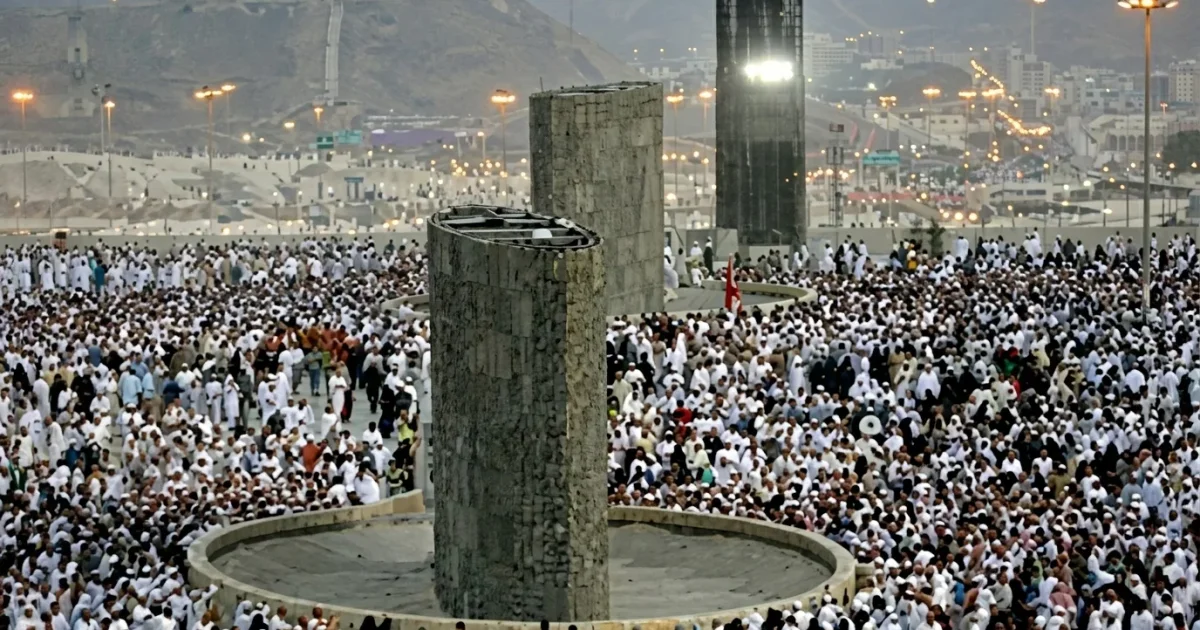
The Jamarat ritual, also known as Rami al-Jamarat, is the act of throwing pebbles at three stone pillars in Mina. It is an essential part of Hajj that commemorates the actions of Prophet Ibrahim (عليه السلام) when he was tested by Allah. The ritual symbolizes the rejection of Satan’s temptations and the reaffirmation of faith in Allah.
This powerful act is performed on the 10th, 11th, and 12th of Dhul Hijjah. It is a physical and spiritual demonstration of obedience, reminding Muslims to resist evil in their daily lives. For many, the Jamarat ritual is a deeply emotional experience that strengthens their connection to Allah.
The Prophetic History of Stoning the Devil
The origin of the Jamarat ritual dates back to Prophet Ibrahim (عليه السلام). According to authentic Hadith, when Ibrahim was commanded by Allah to sacrifice his son Ismail (عليه السلام), Satan appeared to him three times to discourage him. Each time, Ibrahim threw seven stones at Satan, driving him away. This act of defiance is reenacted by pilgrims today.
As the Quran states: “And when he reached with him [the age of] exertion, he said, ‘O my son, indeed I have seen in a dream that I [must] sacrifice you, so see what you think.’” (Quran, 37:102). The stoning ritual is a living reminder of Ibrahim’s unwavering faith and submission to Allah.
The Prophet Muhammad (ﷺ) said: “The stoning of the Jamarat is prescribed to remind of the stoning of Ibrahim (peace be upon him) of the devil.” (Sahih Bukhari). This Hadith confirms the deep spiritual roots of the ritual.
How to Perform the Jamarat Ritual Correctly
Performing the Jamarat ritual correctly is crucial for the validity of Hajj. Here is a step-by-step guide to ensure you fulfill this pillar of pilgrimage properly.
Preparation Before the Ritual
Before heading to the Jamarat area, collect 49 small pebbles (about the size of a chickpea) for the three days. You can gather them from Muzdalifah or anywhere in Mina. Ensure the pebbles are clean and not sharp.
Day 1: 10th of Dhul Hijjah
On this day, you only stone the largest pillar, Jamrat al-Aqabah. Face the pillar with the Qibla on your left side and Mina on your right. Raise your right hand and throw seven pebbles one by one, saying “Allahu Akbar” with each throw. After completing, you do not need to make supplication.
Day 2: 11th of Dhul Hijjah
Start with the first small pillar (Jamrat al-Ula), then the middle pillar (Jamrat al-Wusta), and finally the large pillar (Jamrat al-Aqabah). Throw seven pebbles at each, saying “Allahu Akbar” each time. After the first two pillars, move away from the crowd and make long supplications facing the Qibla.
Day 3: 12th of Dhul Hijjah
Repeat the same process as Day 2. If you choose to stay for the 13th, you must stone all three pillars again. The stoning should be done between sunrise and sunset, though it is permissible until nightfall if needed.
For more guidance on Islamic practices, visit Masjid4All to find local mosques and community support.
The Wisdom Behind the Stoning Ritual
The Jamarat ritual is not merely a physical act; it is filled with profound wisdom. It teaches Muslims to confront and reject evil in all forms. Each pebble represents a rejection of sin and a commitment to righteousness.
This ritual also fosters unity among Muslims. Millions of pilgrims perform the same act at the same time, symbolizing the global Ummah’s collective resistance against Satan. It is a reminder that no matter how powerful evil may seem, faith in Allah can overcome it.
Additionally, the stoning ritual humbles the pilgrim. The crowded conditions and physical effort remind us of the Day of Judgment, where we will all stand before Allah. It is a moment to reflect on our lives and seek forgiveness.
Practical Tips for a Smooth Jamarat Experience
To make your Jamarat ritual safe and spiritually rewarding, follow these practical tips:
- Go early: Avoid peak times to reduce crowd pressure. Early morning or late night are often less crowded.
- Stay calm: Maintain patience and avoid pushing. Remember, the ritual is about devotion, not speed.
- Use the upper levels: The Jamarat bridge has multiple levels. Use them to avoid congestion.
- Keep pebbles ready: Have your pebbles in a small bag or pouch for easy access.
- Stay hydrated: Mina can be hot, so drink plenty of water.
- Follow the crowd: Move with the flow of people and do not stop abruptly.
For business needs during Hajj, such as finding halal services, check Masjid4All Business Directory for trustworthy options.
Frequently Asked Questions
What is the Jamarat ritual?
The Jamarat ritual is the stoning of three pillars in Mina during Hajj, symbolizing the rejection of Satan, following the example of Prophet Ibrahim (عليه السلام).
How many pebbles are needed for the Jamarat ritual?
You need 49 pebbles for the three days (7 for Day 1, 21 for Day 2, 21 for Day 3). If you stay for the 13th, you need 70 pebbles in total.
Can women perform the stoning ritual?
Yes, women can perform the stoning ritual, but they should avoid crowded times. It is recommended for women to go early or late to avoid congestion.
What if I miss the stoning on a specific day?
If you miss the stoning on its prescribed day, you can make it up on the following days. It is important to do it as soon as possible and seek forgiveness from Allah.
Is it permissible to use a proxy for stoning?
No, the stoning ritual must be performed personally by the pilgrim. However, if someone is ill or physically unable, they can appoint a proxy after consulting a scholar.
For more detailed rulings, refer to IslamQA on Jamarat.
Conclusion
The Jamarat ritual is a profound act of worship that strengthens faith and purifies the soul. By understanding its meaning and performing it correctly, you can make your Hajj a truly transformative experience. May Allah accept your efforts and grant you a blessed pilgrimage. Remember, the stoning of the devil is not just a ritual—it is a declaration of your commitment to Allah and your rejection of evil.
For more Islamic resources and community connections, explore Masjid4All.
Still have questions?
Sofia can answer follow-up questions on this topic, point you to a mosque near you, or help with anything else on Masjid4All.
Ask Sofia about this