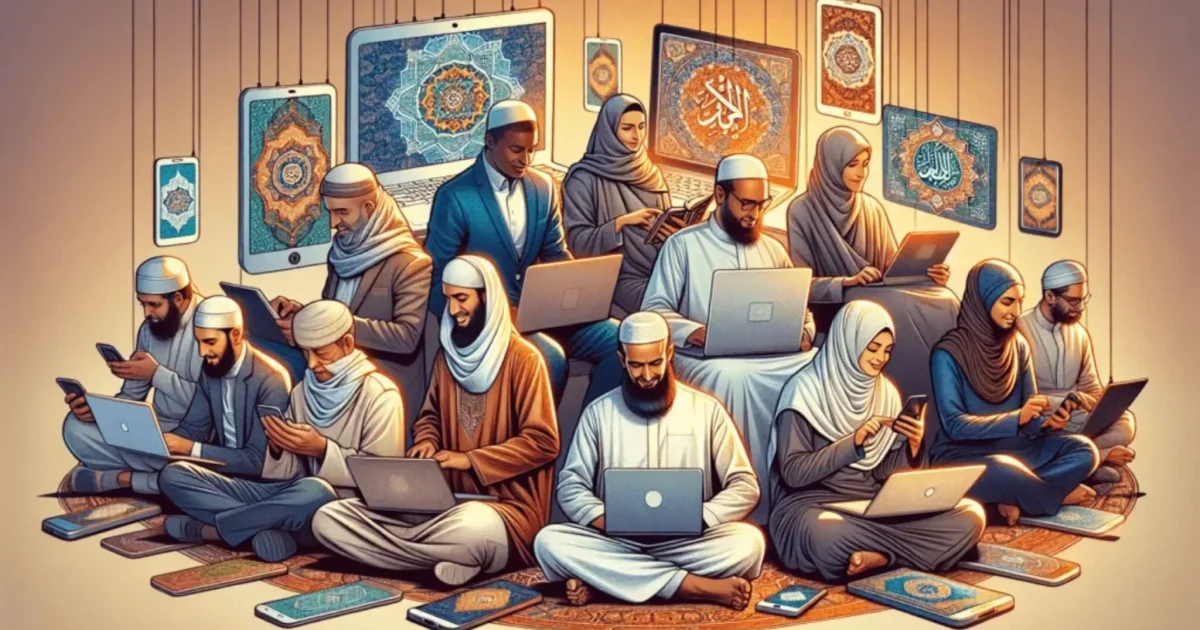
Using Social Media for Da’wah: A Practical Guide
Using Social Media for Da’wah: A Practical Guide
Using social media for Da’wah has become an essential tool for Muslims today. With billions of users worldwide, platforms like Facebook, Instagram, Twitter, and YouTube offer a unique opportunity to share Islamic teachings, inspire good deeds, and connect with diverse audiences. This article provides a comprehensive guide on how to effectively and ethically use social media for Da’wah, ensuring your efforts are rewarding and impactful.
Table of Contents
- Why Social Media for Da’wah?
- Principles of Islamic Da’wah Online
- Practical Tips for Using Social Media for Da’wah
- Examples of Successful Online Da’wah
- Quran and Hadith on Spreading Knowledge
- Frequently Asked Questions
- Conclusion
Why Social Media for Da’wah?
Social media breaks down geographical and cultural barriers. A single post can reach thousands, even millions, of people. Allah says in the Quran: “Invite to the way of your Lord with wisdom and good instruction…” (Quran 16:125). Using social media for Da’wah allows us to fulfill this command on a global scale. It is a modern tool for an ancient mission.
Moreover, many people spend hours on these platforms daily. By sharing beneficial content, you can turn their scrolling into a moment of reflection. It is a powerful way to plant seeds of faith and positivity.
Principles of Islamic Da’wah Online
Before diving into tactics, understand the core principles. Da’wah is not about arguing or forcing opinions. It is about inviting with wisdom, kindness, and patience. The Prophet Muhammad ﷺ said: “Convey from me, even if it is one verse.” (Sahih al-Bukhari).
Key principles include:
- Authenticity: Share only verified Islamic knowledge. Avoid weak or fabricated hadith.
- Respect: Engage politely, even with those who disagree.
- Balance: Mix spiritual content with practical advice.
- Consistency: Post regularly to build trust and reach.
- Intentions: Do it solely for Allah’s pleasure.
Practical Tips for Using Social Media for Da’wah
Here are actionable ways to optimize your online Da’wah efforts:
1. Choose the Right Platform
Different platforms suit different content. Instagram is great for visual quotes and short videos. YouTube works for lectures and tutorials. Twitter (X) is ideal for concise reminders. Facebook reaches older demographics. Focus on one or two platforms initially.
2. Create High-Quality Content
Use clear images, good lighting, and simple language. Include Quranic verses with translations. For example, share a beautiful ayat with a brief reflection. Ensure every post adds value.
3. Engage Authentically
Reply to comments, answer questions, and thank supporters. Build a community, not just a following. The Prophet ﷺ was always approachable and kind.
4. Use Hashtags Wisely
Include relevant hashtags like #IslamicReminder #Dawah #Quran #Hadith but avoid overloading. Use 5-10 targeted tags per post.
5. Leverage Stories and Live Videos
Instagram Stories, Facebook Live, and YouTube Shorts are excellent for real-time connection. You can host Q&A sessions, share daily duas, or give short talks.
6. Collaborate with Others
Partner with other Muslim content creators. Cross-promotion expands your reach. For example, you can co-host a live session or share each other’s posts.
7. Link to Trusted Resources
Always cite sources. Link to Quran.com for verses, Sunnah.com for hadith, and IslamQA.info for scholarly answers. This builds credibility.
8. Promote Local Masjids and Businesses
Support your community by featuring local Islamic centers. For instance, you can share events from Masjid4All Masjid or highlight ethical businesses listed on Masjid4All Business. This strengthens the Ummah.
Examples of Successful Online Da’wah
Many Muslims have turned their social media into platforms for good. For instance, a sister shares daily Quran reflections on Instagram and gains thousands of followers. A brother posts short videos explaining the beauty of Islam on TikTok, attracting non-Muslim viewers. A local masjid uses Facebook to broadcast Friday sermons and community iftars.
These examples show that with sincerity and strategy, using social media for Da’wah can be highly effective. You can start small—even one beneficial post per week can make a difference.
Quran and Hadith on Spreading Knowledge
Allah emphasizes the importance of sharing knowledge: “You are the best nation produced [as an example] for mankind. You enjoin what is right and forbid what is wrong…” (Quran 3:110). This applies to online spaces too.
The Prophet ﷺ said: “Whoever calls to guidance will have a reward like those who follow him…” (Sunan Ibn Majah). Every like, share, or comment that spreads good is a continuous charity (sadaqah jariyah) for you.
Frequently Asked Questions
Is using social media for Da’wah permissible in Islam?
Yes, it is not only permissible but encouraged, as long as the content is authentic, respectful, and adheres to Islamic guidelines. The intent should be to please Allah and benefit others.
How do I deal with negative comments or trolls?
Respond with patience and wisdom. If the comment is disrespectful, you can ignore or delete it. Do not engage in arguments. Remember the Quranic advice: “Repel [evil] by that [deed] which is better…”
What type of content works best for online Da’wah?
Content that is visual, concise, and emotionally uplifting works well. Examples include: Quran verses with reflections, short hadith, duas, stories of prophets, and practical tips for daily life. Videos often get higher engagement.
Can I earn money from Da’wah content?
It is permissible if the primary intention is Da’wah and not profit. Some platforms allow monetization, but ensure your content remains pure and free from ads that contradict Islamic values. Many scholars advise avoiding monetization to keep sincerity intact.
Conclusion
Using social media for Da’wah is a powerful way to fulfill our duty as Muslims. It allows us to reach people we may never meet in person and share the beauty of Islam. By following the principles of authenticity, respect, and consistency, you can make a lasting impact. Start today, even with a small step. Remember, the Prophet ﷺ said: “Convey from me, even if it is one verse.” May Allah accept our efforts and make our online presence a source of guidance.
Still have questions?
Sofia can answer follow-up questions on this topic, point you to a mosque near you, or help with anything else on Masjid4All.
Ask Sofia about this