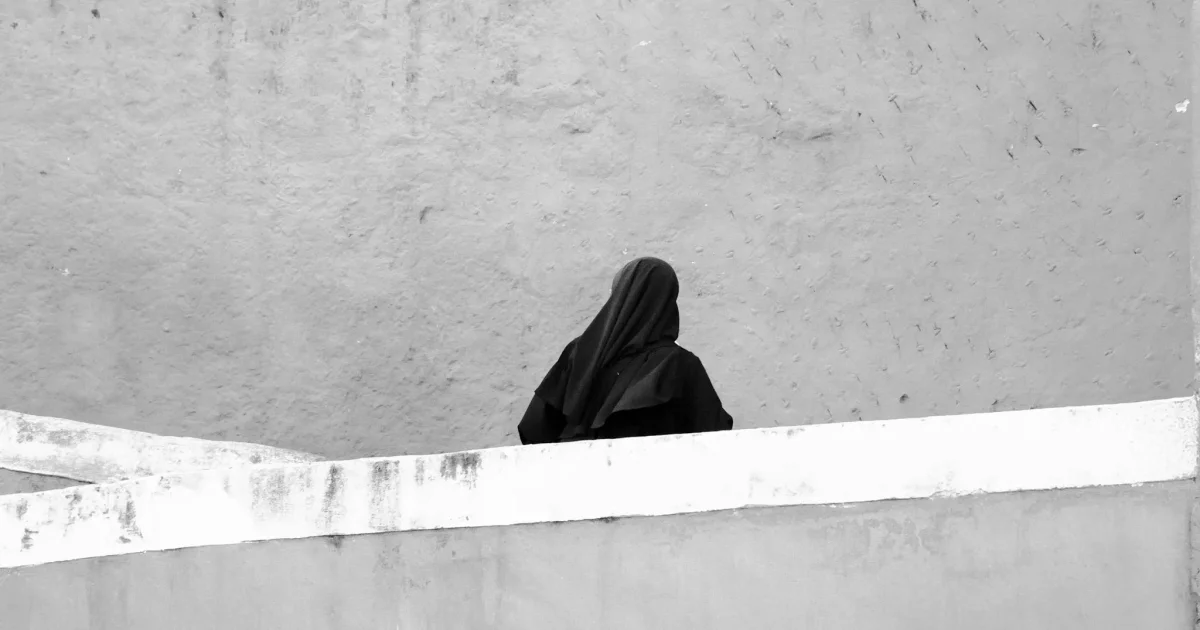
Women in Seerah: The Powerful Contributions of Female Companions
Women in Seerah: The Powerful Contributions of Female Companions
Understanding the role of women in Seerah reveals a beautiful and empowering legacy. The female companions around the Prophet ﷺ were pioneers of faith, courage, and knowledge. Their contributions shaped the early Muslim community and continue to inspire millions today. This article explores the lives of these remarkable women, highlighting their sacrifices, scholarship, and unwavering devotion.
Table of Contents
- Introduction
- Pioneers of Faith: Early Converts
- Scholars and Teachers: Preserving Knowledge
- Protectors and Supporters: Defending Islam
- Practical Lessons from Female Companions
- Quran and Hadith References
- Frequently Asked Questions
- Conclusion
Introduction: The Legacy of Women in Seerah
The Seerah of the Prophet ﷺ is incomplete without acknowledging the immense contributions of women. From the first revelation to the establishment of the Islamic state, female companions stood shoulder to shoulder with men. They were not passive observers but active participants in every sphere of life. Their stories are a testament to the honor Islam granted women, centuries before modern movements. By studying women in Seerah, we learn that empowerment, education, and leadership are deeply rooted in Islamic tradition.
Pioneers of Faith: Early Converts and Their Sacrifices
The first person to embrace Islam was a woman — Khadijah bint Khuwaylid (رضي الله عنها). She was the Prophet’s ﷺ wife, confidante, and first supporter. Her wealth, wisdom, and emotional strength provided the foundation for the early Muslim community. She is a shining example of women in Seerah who risked everything for truth.
Khadijah: The First Believer
When the Prophet ﷺ received the first revelation at Cave Hira, he returned trembling. Khadijah (رضي الله عنها) calmed him and affirmed his prophethood. She spent her entire fortune to spread Islam and endured the boycott of Quraysh with patience. Her legacy teaches us that faith requires action and sacrifice.
Sumayyah: The First Martyr
Sumayyah bint Khabbab (رضي الله عنها) was the first martyr in Islam. She was tortured brutally for refusing to renounce her faith. Her courage under persecution inspires Muslims to stand firm. Her story is a powerful reminder of the price paid by early women in Seerah for the sake of Allah.
Scholars and Teachers: Preserving Islamic Knowledge
Many female companions were renowned scholars who taught both men and women. They memorized the Quran, narrated Hadith, and explained Islamic rulings. Their intellectual contributions are a vital part of women in Seerah.
Aisha: The Mother of Believers and Scholar
Aisha bint Abu Bakr (رضي الله عنها) is one of the greatest scholars in Islamic history. She narrated over 2,000 Hadith and taught prominent companions like Abu Hurairah and Ibn Abbas. Her deep understanding of Quran and Sunnah was sought after by the entire community. She corrected many companions’ understanding of Islamic law. Her life exemplifies how women in Seerah were authorities in religious knowledge.
Umm Salamah: A Voice of Wisdom
Umm Salamah (رضي الله عنها) was known for her intelligence and sound judgment. She advised the Prophet ﷺ during the Treaty of Hudaybiyyah, showing that women’s opinions were valued in critical matters. Her insight helped resolve a tense situation peacefully.
Protectors and Supporters: Defending Islam on the Battlefield
Female companions did not only support from home; they actively participated in battles. They nursed the wounded, carried water, and even fought when necessary. Their bravery is an essential part of women in Seerah.
Nusaybah bint Ka’ab: The Warrior
Nusaybah (رضي الله عنها) fought fiercely at the Battle of Uhud. When the Muslims were retreating, she protected the Prophet ﷺ with her sword and body. She received multiple wounds but never wavered. The Prophet ﷺ praised her courage, saying, “Her position in battle was better than many men.”
Umm Ammarah: A Shield for the Prophet
Umm Ammarah (رضي الله عنها) also defended the Prophet ﷺ at Uhud. She later participated in other battles and even pledged allegiance to the Prophet ﷺ under the tree at Hudaybiyyah. Her story shows that women in Seerah were not confined to domestic roles when the community needed their strength.
Practical Lessons from Female Companions for Today
The lives of female companions offer timeless guidance for modern Muslims. Here are practical ways to apply their example:
- Seek knowledge: Like Aisha (رضي الله عنها), prioritize learning Quran, Hadith, and Islamic sciences.
- Be courageous: Stand up for truth even when it’s difficult, as Sumayyah (رضي الله عنها) did.
- Support the community: Use your skills and resources to help others, following Khadijah’s (رضي الله عنها) generosity.
- Balance faith and action: Combine worship with active service, just as Nusaybah (رضي الله عنها) balanced nursing and fighting.
- Speak with wisdom: Offer advice respectfully, as Umm Salamah (رضي الله عنها) did during Hudaybiyyah.
For more on building community spaces, visit Masjid4All and explore how you can contribute to Islamic centers. Also, check Islamic business ethics to integrate faith into your work.
Quran and Hadith References Highlighting Women’s Status
The Quran and Sunnah affirm the high rank of righteous women. Allah says in Surah Al-Ahzab (33:35): “Indeed, the Muslim men and Muslim women, the believing men and believing women… Allah has prepared for them forgiveness and a great reward.” This verse explicitly honors both genders equally in faith.
The Prophet ﷺ said: “The best of women are the women of Quraysh…” (Narrated by Bukhari, Sahih Bukhari). He also said: “The world is but enjoyment, and the best enjoyment in the world is a righteous wife” (Narrated by Muslim, Sahih Muslim). These teachings show that women in Seerah were cherished and respected.
For deeper understanding of Islamic rulings on women, refer to IslamQA’s section on women.
Frequently Asked Questions
What is the role of women in Seerah?
Women in Seerah played diverse roles: as believers, scholars, warriors, supporters, and leaders. They contributed to the spread of Islam, preservation of knowledge, and defense of the community. Their participation was essential to the success of the early Muslim ummah.
Who were the most influential female companions?
Some of the most influential include Khadijah (first believer), Aisha (scholar and narrator of Hadith), Sumayyah (first martyr), Nusaybah (warrior), and Umm Salamah (advisor). Each left a unique legacy that continues to inspire.
How can modern Muslim women follow their example?
Modern Muslim women can seek Islamic knowledge, engage in community service, speak out for justice, and balance faith with action. The female companions show that spirituality and worldly contributions go hand in hand.
Are there any Quranic verses specifically about women’s contributions?
Yes, Surah Al-Ahzab (33:35) and Surah At-Tawbah (9:71) highlight the equal spiritual status and mutual responsibility of believing men and women. The Quran consistently honors the righteous deeds of women.
Conclusion: Carrying Forward the Legacy of Women in Seerah
The story of women in Seerah is one of strength, faith, and resilience. The female companions around the Prophet ﷺ were not just supporters — they were leaders, teachers, and protectors. Their contributions were vital to the establishment of Islam and continue to guide us today. As we reflect on their lives, we are reminded that every Muslim, male or female, has a role to play in upholding the deen. Let us honor their legacy by seeking knowledge, standing for justice, and serving our communities with sincerity. May Allah grant us the ability to follow in their footsteps. Ameen.
Still have questions?
Sofia can answer follow-up questions on this topic, point you to a mosque near you, or help with anything else on Masjid4All.
Ask Sofia about this