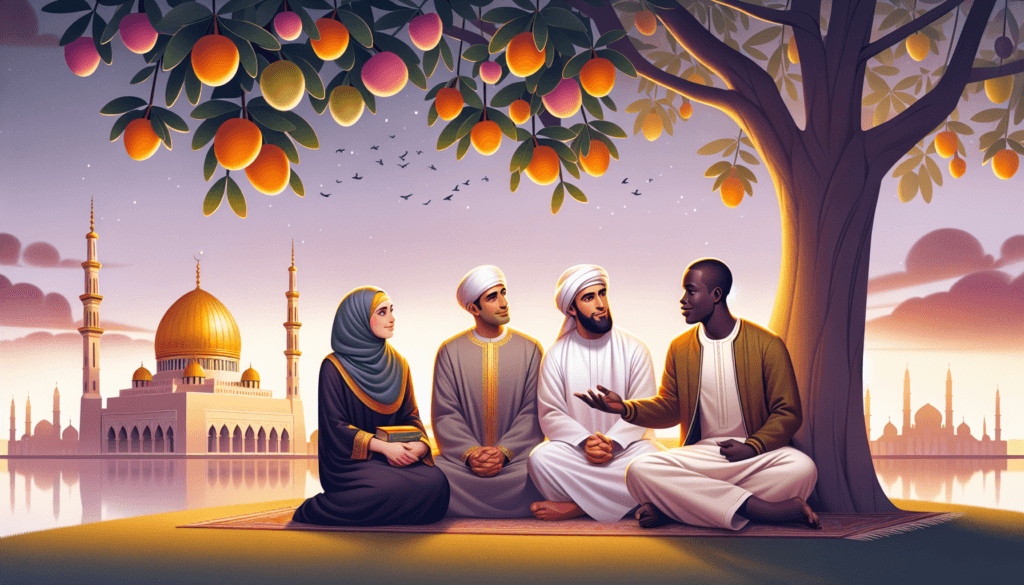
Family in Islam: Marriage, Children and Kinship Ties
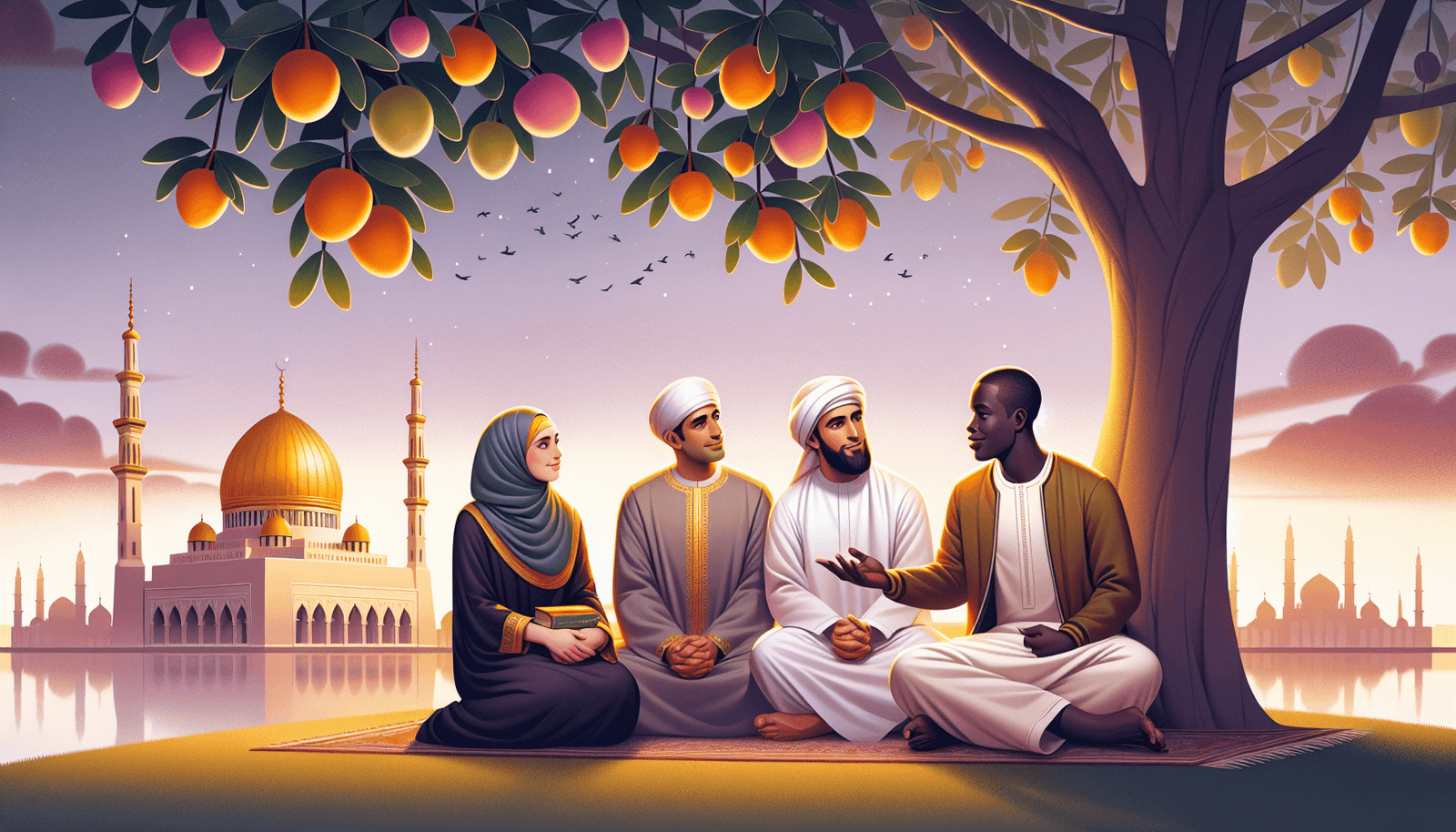
It is easier to be patient with strangers. Anyone can hold their temper for the length of a meeting, and most of us manage courtesy with people we will never see again. The family is where character is actually tested, because it runs continuously and nobody is performing.
Which is why the guidance on family in Islam is so extensive and so specific. This guide covers marriage and the rights inside it, raising children, obligations to parents and relatives, neighbours, friendship, and what to do when a relationship breaks.
Table of contents
- Why family in Islam carries so much weight
- Marriage: choosing and preparing
- Rights between spouses
- Raising children in a Muslim family
- Parents, relatives and the ties of kinship
- Neighbours and friends
- When family in Islam breaks down
- Frequently asked questions
Why family in Islam carries so much weight
The Quran places kindness to parents immediately after the command to worship God alone, in more than one passage. Kinship ties are described as something that will be asked about. And the Prophet صلى الله عليه وسلم said that the best of you are the best to their families, a narration recorded by Tirmidhi, adding of himself that he was the best to his.
That last narration is worth sitting with, because it sets the standard somewhere uncomfortable. A person widely admired outside the home and difficult inside it has the equation backwards.
Marriage: choosing and preparing
Marriage is the foundation of family in Islam and is described as half of the religion, and the guidance on choosing is unusually practical. The well-known narration lists wealth, lineage, beauty and religion as the four things people marry for, and advises choosing the one with religion. It does not pretend the other three are invisible.
The requirements are few: mutual consent, a mahr given to the wife, a guardian for the bride according to most schools, and witnesses. Everything else, including the expense that bankrupts families across the Muslim world, is culture rather than religion, and a great deal of it runs against the Sunnah of ease.
Preparation is where most difficulty is avoided. Conversations about money, where you will live, whose parents get which holidays, how you will raise children, and what each of you expects a normal week to look like are far cheaper before the nikah than after it. See marriage preparation.
Rights between spouses
The Quran describes spouses as garments for one another, an image about closeness, covering and mutual protection rather than hierarchy.
In outline: the husband is responsible for maintenance regardless of the wife’s own wealth, which remains hers; both owe each other kindness, companionship and intimacy; and the wife’s property, earnings and inheritance are not the household’s to claim.
Two things worth saying plainly. Verses about family in Islam are quoted more often out of context than almost any others, in both directions, and the Prophet صلى الله عليه وسلم never struck a woman or a servant, which settles a great deal of argument about what was being permitted. And a man who invokes obedience while neglecting maintenance and kindness has quoted half a contract. Details in spousal rights.
Raising children in a Muslim family
The obligations of family in Islam toward children are a good name, feeding and clothing, education, and teaching the religion. The narrations emphasise mercy heavily: the Prophet صلى الله عليه وسلم kissed his grandchildren in front of a man who remarked that he had ten children and had never kissed any of them, and was told that one who does not show mercy is not shown mercy.
Prayer is taught from around seven, with the well-known narration about age ten frequently over-read; the overwhelming majority of scholars restrict it severely and many contemporary scholars advise against physical discipline entirely, on the grounds that it produces resentment rather than prayer.
See parenting tips and Islamic upbringing. For children growing up as a minority, challenges facing Muslim youth.
Parents, relatives and the ties of kinship
Family in Islam runs upward as well as downward. Kindness to parents is commanded in terms that leave little room: not even a word of irritation, and the instruction is tied directly to worship. It does not lapse when parents are difficult, and it does not require agreeing with them.
Silat al-rahim, maintaining kinship ties, extends past the household to relatives you may not much like. A narration defines it precisely: the one who maintains ties is not the one who reciprocates, but the one who restores the tie when it is cut. That definition rules out most of what people count as effort.
Neighbours and friends
Family in Islam extends past the front door. The rights of the neighbour are emphasised to the point that a narration reports Jibril insisting on them so persistently that the Prophet صلى الله عليه وسلم thought neighbours might be made heirs. Nothing in that guidance depends on the neighbour being Muslim. See living peacefully with neighbours.
On friendship, the guidance is blunt: a person follows the way of their close friend, so consider carefully who that is. This is not a rule about avoiding non-Muslims; it is about the people whose standards quietly become yours. See choosing the right friends and social etiquette.
When family in Islam breaks down
The tradition is realistic about family in Islam in a way that popular religious writing often is not. Marriages fail. Relatives stop speaking. Children grow up and go their own way.
The Quran sets out a sequence for marital conflict that begins with counsel and ends, if necessary, with arbitrators appointed from both families. That the sequence exists at all tells you that breakdown was expected rather than treated as scandal. Divorce is permitted and described as the most disliked of permitted things, which is not the same as forbidden; a marriage that has become harmful is not preserved by suffering.
The limit worth stating plainly: family in Islam does not oblige anyone to remain in a situation causing them harm. Guidance about patience is not an instruction to endure abuse, and anyone reading it that way has been given bad advice.
For working through conflict short of that, see Islamic conflict resolution, and supplications during marital difficulty.
Frequently asked questions
Can parents refuse a marriage?
A guardian may raise genuine objections, and most schools require his consent for a first marriage. What he may not do is refuse without valid reason; scholars call this adl, unjust prevention, and a judge may authorise the marriage over it. Cultural or ethnic objection is not a valid reason.
What are a wife’s financial obligations?
None toward the household. Maintenance is the husband’s responsibility whatever her income, and her earnings and property remain hers. Many wives contribute voluntarily, which is generosity rather than duty.
Do I have to obey parents who ask something wrong?
No. Obedience does not extend to disobedience of God. The Quran addresses this directly regarding parents who press their children to associate partners with God: accompany them well in this world, but do not obey them in that.
Is cutting off a toxic relative permitted?
The general obligation is to maintain ties, and scholars recognise limits where contact causes genuine harm. Minimising contact while continuing to pray for someone, greet them and respond to need is generally treated as maintaining the tie rather than severing it.
Every guide on family in Islam
Marriage: Marriage preparation · Spousal rights · Duas for marriage · Nikah wishes
Children: Parenting tips · Islamic upbringing · Newborn duas
Wider ties: Extended family · Neighbours · Friendship · Social etiquette · Conflict resolution
Related: Dua in Islam · Halal lifestyle · the Masjid4All community.
Still have questions?
Sofia can answer follow-up questions on this topic, point you to a mosque near you, or help with anything else on Masjid4All.
Ask Sofia about this