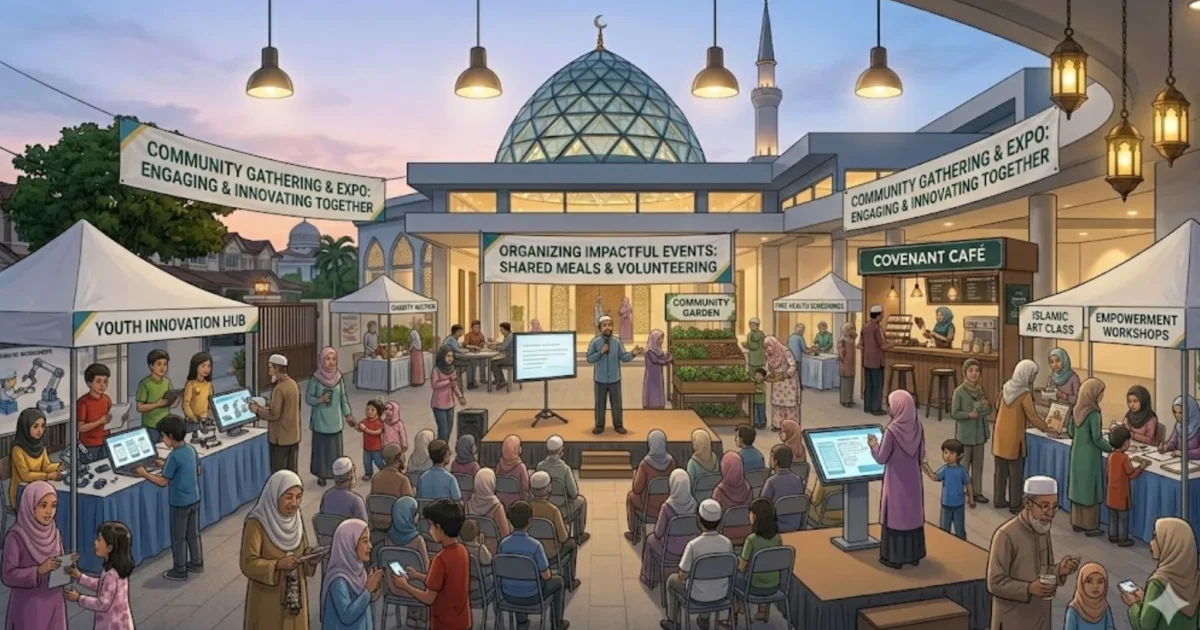
Powerful Community Events: Organizing Impactful Islamic Events
Powerful Community Events: Organizing Impactful Islamic Events
Organizing impactful Islamic events can transform a community. This guide shares practical steps to plan events that bring people closer to Islam and strengthen bonds among Muslims. Whether you are a masjid volunteer or a community leader, these tips will help you succeed.
Table of Contents
- Why Islamic Events Matter
- Planning Your Event
- Organizing Impactful Islamic Events
- Promotion and Outreach
- Execution and Logistics
- Post-Event Follow-Up
- Islamic Guidance for Event Organizers
- Frequently Asked Questions
- Conclusion
Why Islamic Events Matter
Islamic events are powerful tools for da’wah and community building. They create spaces where Muslims can learn, connect, and grow in faith. Well-planned events attract people who may not regularly attend the masjid, offering them a welcoming environment.
Allah says in the Quran: “Invite to the way of your Lord with wisdom and good instruction” (Quran 16:125). This verse reminds us that every event is an opportunity to share Islam with kindness and wisdom.
Planning Your Event
Define Your Purpose
Start by asking: Why are we organizing this event? Is it for education, charity, or celebration? Clear goals help you stay focused. For example, a lecture series on Quranic tafsir has a different purpose than a community iftar.
Know Your Audience
Understand who you want to reach. Families, youth, or new Muslims all have different needs. Tailor your content, timing, and activities accordingly. A youth event might include interactive workshops, while a family event needs childcare.
Set a Budget
List all expenses: venue, food, speakers, marketing, and supplies. Seek sponsorships from local business owners. Many Muslim entrepreneurs are happy to support community initiatives.
Organizing Impactful Islamic Events
When organizing impactful Islamic events, attention to detail matters. Here are key steps to ensure success:
- Choose the right venue: Ensure it is accessible, clean, and has prayer facilities.
- Select knowledgeable speakers: Verify their credentials and ensure they align with authentic Islamic teachings.
- Plan engaging programs: Mix lectures, Q&A sessions, and networking time.
- Provide quality food: Halal, hygienic, and sufficient for all attendees.
- Arrange logistics: Sound system, seating, signage, and registration desk.
The Prophet Muhammad ﷺ said: “The best of people are those who are most beneficial to others” (Hadith, Riyad us-Salihin). Organizing events is a beautiful way to benefit the community.
Promotion and Outreach
Use Multiple Channels
Promote your event through:
- Masjid announcements and newsletters
- Social media platforms (Facebook, Instagram, WhatsApp groups)
- Local Muslim community forums
- Flyers at Islamic bookstores and halal grocery stores
Create Compelling Content
Write clear, inviting descriptions. Highlight the benefits: “Learn the beauty of Salah from a renowned scholar.” Use images and videos to generate interest.
Execution and Logistics
On the event day, arrive early to set up. Assign volunteers for registration, ushering, and technical support. Keep a checklist to ensure nothing is missed.
During the event, maintain a warm and welcoming atmosphere. Greet attendees with a smile. The Prophet ﷺ said: “Your smiling in the face of your brother is charity” (Hadith, Tirmidhi).
Have a backup plan for emergencies, such as power outages or medical needs. Keep contact numbers handy.
Post-Event Follow-Up
After the event, send thank-you messages to attendees, speakers, and sponsors. Collect feedback through surveys. This helps improve future events.
Share photos and recordings on social media. This extends the event’s impact and encourages attendance next time.
Record lessons learned in a document. Note what worked well and what needs adjustment. Continuous improvement is key to organizing impactful Islamic events.
Islamic Guidance for Event Organizers
Islam emphasizes unity and cooperation. Allah says: “And cooperate in righteousness and piety” (Quran 5:2). Let this principle guide your planning.
Avoid controversial topics that may divide the community. Focus on common ground and authentic teachings. Consult reliable sources like IslamQA for any doubts.
Remember that your intention (niyyah) matters. Make your event solely for the sake of Allah, seeking His reward.
The Prophet ﷺ said: “Actions are judged by intentions” (Hadith, Bukhari). Renew your intention before and during the event.
Frequently Asked Questions
What are the first steps in organizing impactful Islamic events?
Start by defining your purpose, setting a budget, and forming a reliable team. Then choose a date and venue that works for your target audience.
How can I attract more youth to Islamic events?
Offer interactive sessions, sports activities, or workshops on topics relevant to young Muslims. Use social media for promotion and involve youth in planning.
What should I do if the event has low attendance?
Analyze the reasons: Was the promotion effective? Was the timing convenient? Seek feedback and adjust your approach. Sometimes, smaller events can be more impactful.
Is it necessary to have a scholar at every event?
Not always, but ensure that any religious content is accurate. You can invite a scholar for key sessions or have a knowledgeable person review your materials.
How do I handle controversial topics during an event?
Stick to authentic sources and avoid divisive issues. If a question arises, answer with wisdom and refer to reliable scholars. Maintain a respectful tone.
Conclusion
Organizing impactful Islamic events is a rewarding act of worship and service. By following these practical steps, you can create meaningful experiences that bring people closer to Islam and strengthen your community.
Start with sincere intention, plan carefully, and rely on Allah. Every effort counts. May Allah accept your work and bless your community. Ameen.
Still have questions?
Sofia can answer follow-up questions on this topic, point you to a mosque near you, or help with anything else on Masjid4All.
Ask Sofia about this